
virulent
adjective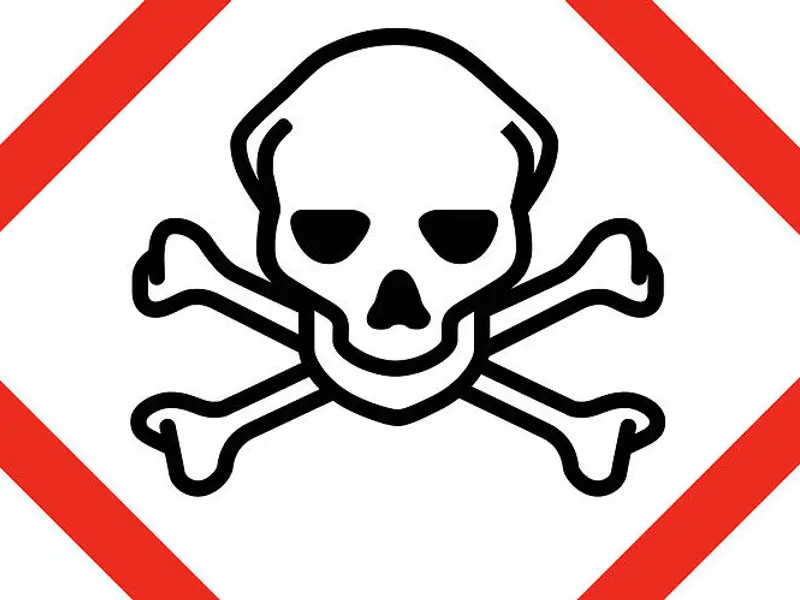
actively poisonous; intensely noxious
What Makes This Word Tick
"Virulent" is one of those charged words that has a sharp edge to it. Typically, it describes something intensely harmful or hostile. Whether it's about a superbug with a penchant for causing mischief or a particularly nasty strain of rumors, "virulent" often signals danger and severity.
If Virulent Were a Person…
If "Virulent" were to walk among us, it might resemble that relative who brings up controversial topics at family gatherings or perhaps the neighbor's pet cat with a talent for swatting everything off the table just to make its presence known.
How This Word Has Changed Over Time
Originally rooted in the Latin "virulentus," meaning "poisonous" or "full of poison," its use has expanded beyond its toxic origins. Today, "virulent" can be applied not just medically to describe dangerous viruses but also metaphorically to describe anything from fiery speeches to bitter rivalries.
Old Sayings and Proverbs That Use Virulent
While "virulent" might not appear in many classic proverbs directly, the idea it conveys can be seen in phrases warning against the spread of malice or negativity, much like a virus spreading unchecked.
Surprising Facts About Virulent
A fun nugget of information: while "virulent" typically denotes something harmful, in microbiology, a virulent virus can sometimes paradoxically play a role in research and vaccine development, contributing to positive outcomes in medicine.
Out and About With This Word
In everyday conversation, you'll find "virulent" popping up in discussions about especially nasty flu seasons, or even as part of critiques about a movie or book that struck a particularly raw nerve with its audience.
Pop Culture Moments Where Virulent Was Used
Anytime a fictional apocalypse is afoot on screen, there's a good chance you'll hear "virulent." Think of movies like "Contagion" or any thriller where a pathogen is part of the plotline. It's Hollywood shorthand for something you really want to avoid.
The Word in Literature
"Virulent" finds its way into medical thrillers and mystery novels quite comfortably. Used to create tension or signal an underlying threat, it's a favorite for authors who want to inject a sense of urgency into their tales.
Moments in History with Virulent
Imagine the historic speeches that ignited significant social change-or unrest. The spirit of "virulent" is there, not for the positive change itself, but for the hostile opposition or momentum that had toxic undercurrents.
This Word Around the World
In other languages, the concept of "virulent" is often captured similarly. The French use "virulent" too, evidencing the shared linguistic roots from Latin, reflecting the cross-cultural nature of diseases-both biological and social.
Where Does It Come From?
Originating from the Latin word "virulentus," meaning "poisonous," it's a term that hasn't strayed far from its roots. This throughline from ancient Rome to the modern lexicon is a testament to how some forms of danger remain timeless.
How People Misuse This Word
People sometimes misuse "virulent" when they mean merely "strong" or "intense," losing the critical aspect of harmfulness. It's not just about intensity; there's a malevolent twist that comes with the package.
Words It's Often Confused With
- Virile: Though it might sound similar, "virile" relates to strength or masculinity, not to anything harmful.
- Viral: Often a mix-up in conversations about health or social media; "viral" refers to the spread, whereas "virulent" emphasizes harm.
- Violent: Both suggest intensity, but "violent" directly involves physical force or aggression, not spreading harm like "virulent."
Additional Synonyms and Antonyms
Synonyms include pernicious, toxic, and malign. Antonyms are harmless, benevolent, and benign, each reflecting an absence of that dangerous bite.
Want to Try It Out in a Sentence?
Here's one: "The critic's virulent review was enough to ensure no one bought a ticket to the play's second night."
Explore more words


sibilant
[sib-i-lunt]
characterized by a hissing sound, especially an s or sh sound.

loath
[lohth, lohth]
unwilling; reluctant; disinclined; averse



criterion
[krahy-teer-ee-uhn]
a standard of judgment or criticism; a rule or principle for evaluating or testing something

apathetic
[ap-uh-thet-ik]
showing or feeling no interest or enthusiasm


propitious
[pruh-pish-uhs]
presenting favorable conditions; favorable

recline
[ri-klahyn]
to lean or lie back; rest in a recumbent position

yeoman
[yoh-muhn]
performed in a workmanlike, valiant, and useful manner, especially in situations involving a great deal of effort

piebald
[pahy-bawld]
having patches of black and white or of other colors; parti-colored

withhold
[with-hold]
to refuse to give something

ambivalent
[am-biv-uh-lent]
having mixed or contradictory feelings about something

irascible
[ih-ras-uh-buhl]
having or showing a tendency to be easily angered

gargantuan
[gahr-gan-choo-uhn]
gigantic; enormous; colossal

distend
[dih-stend]
to spread in all directions; expand; swell

demagogue
[dem-uh-gog]
a political leader who seeks support by appealing to the desires and prejudices of ordinary people rather than by using rational argument

equable
[ek-wuh-buhl]
calm and even-tempered, without sudden changes of mood

abeyance
[uh-bey-uhns]
temporary inactivity, cessation, or suspension