
recline
verbto lean or lie back; rest in a recumbent position
What Makes This Word Tick
"Recline" paints a picture of relaxation. Just think of a sunny day poolside, or a cozy afternoon with a book by the fire. It's about leaning back into comfort, whether it's a reclining chair or a leisurely stretch on the couch.
If Recline Were a Person…
Recline would be that laid-back friend who always knows where to find the most comfortable spot. This person isn't in a rush and seems to have an unspoken motto: "Why stand when you can sit, and why sit when you can recline?"
How This Word Has Changed Over Time
Originally from the Latin word "reclinare," meaning to lean back or lie down, recline has maintained its core meaning throughout the centuries. Over time, it's become more associated with luxury and leisure, thanks to modern inventions like the reclining chair.
Old Sayings and Proverbs That Use Recline
While specific proverbs may not center on "recline," the sentiment behind it echoes in sayings like "take a load off" or "sit back and relax." It's all about letting go of troubles for a while.
Surprising Facts About Recline
Believe it or not, the world's first reclining chair is believed to have been invented by Napoleon III's court in the mid-19th century. Now that's a regal way to take a breather!
Out and About With This Word
You'll often find "recline" at your local movie theater, referring to those fancy seats that let you lie back and enjoy the film. Airlines offer reclining seats as a premium perk, turning an ordinary flight into a more comfortable experience.
Pop Culture Moments Where Recline Was Used
"Recline" took center stage in many classic films where characters catch a moment of calm or intimacy in a reclining position-think of those romantic scenes with the iconic couch moments.
The Word in Literature
In literature, "recline" is often used to set a scene of tranquility or retreat. Writers like Jane Austen or F. Scott Fitzgerald might employ it to evoke the ease and elegance of their characters' more relaxed moments.
Moments in History with Recline
When Egyptian pharaohs lounged in splendor or ancient Romans relaxed in their opulent banquets, "recline" perfectly describes the ambiance. It's not just a word; it's a lifestyle through the ages.
This Word Around the World
In Japan, the concept of reclining might be akin to their tradition of sitting on tatami mats and leaning back against the zabuton. Each culture offers its unique take on the act of relaxation.
Where Does It Come From?
Steeped in history, "recline" comes from the Latin "reclinare," which translates directly to reclining or lying back. It's a word that's been in use since at least the 14th century, carrying the same sense of purposeful rest.
How People Misuse This Word
Some might confuse "recline" with just any form of sitting, but true reclining involves a shift backward, adding that extra layer of ease and comfort.
Words It's Often Confused With
- Lean: Generally means to angle your body without necessarily resting.
- Repose: Suggests a complete state of rest or sleep, more passive than reclining.
- Sit: Simply implies the position rather than the act of leaning back.
Additional Synonyms and Antonyms
Synonyms include lounge, sprawl, and repose, each capturing a different facet of relaxation. Antonyms might be stand, sit upright, or rise, capturing momentum and activity rather than rest.
Want to Try It Out in a Sentence?
After a long day working in the garden, Helen was more than ready to recline in her favorite chair with a glass of iced tea.
Explore more words
11 Dumbest Things Middle-Class Americans Waste Money On
See what to cut →

travail
[truh-veyl]
to toil or exert oneself

abject
[ab-jekt]
(of something bad) experienced or present to the maximum degree

Little-Known Money Hacks That Could Save You Hundreds
Review the list →

Is Staying With the Same Insurer Costing You More?
Explore Your Options →

clandestine
[klan-des-tin]
characterized by, done in, or executed with secrecy or concealment, especially for purposes of subversion or deception; private or surreptitious
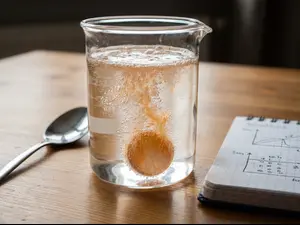
dissolve
[dih-zolv]
to mix into a liquid so that it becomes part of the solution

These 10 Money Moves Could Save Seniors Hundreds
Read more →

incidence
[in-si-duhns]
the rate or range of occurrence or influence of something, especially of something unwanted

ornate
[awr-neyt]
elaborately or sumptuously adorned, often excessively or showily so

penetralia
[pen-i-trey-lee-uh]
the innermost parts or recesses of a place or thing

treacherous
[trech-er-uhs]
unstable or insecure, as in footing

conterminous
[kuhn-tur-muh-nuhs]
having a common boundary

meander
[mee-an-der]
to proceed by or take a winding or indirect course

dignified
[dig-nuh-fahyd]
characterized or marked by dignity of aspect or manner; stately; decorous
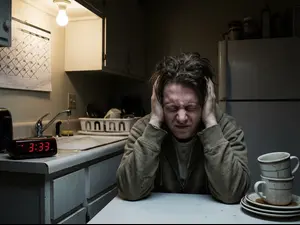
incessant
[in-ces-ant]
unending
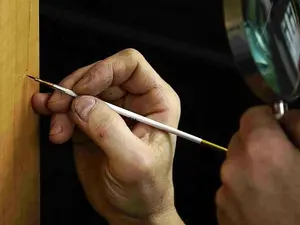
instauration
[in-staw-rey-shuhn]
renewal or restoration
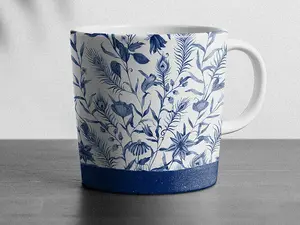
millefleur
[meel-flur]
having a background sprinkled with representations of flowers, as certain tapestries or pieces of glasswork

bin
[b-in]
a container for storing or disposing of items.

prescient
[presh-uhnt]
having prescience, or knowledge of things or events before they exist or happen; having foresight