
aquiver
adjectivein a state of trepidation or vibrant agitation; trembling; quivering
What Makes This Word Tick
"Aquiver" is a delightful word that describes a state of trembling or quivering, often from strong emotion or excitement. It's the kind of word that paints a vivid picture, capturing the delicate vibration of leaves in a breeze or the palpable anticipation before a big adventure.
If Aquiver Were a Person…
If aquiver were a person, they'd be someone who's always on the cusp of something thrilling. Imagine a young child waiting for a surprise, their eyes wide and twinkling, and their body practically buzzing with anticipation. That's aquiver - bursting with energy and excitement.
How This Word Has Changed Over Time
While "aquiver" retains its original meaning, its usage has shifted from formal writing to a more poetic or stylistic choice in modern times. It's one of those words that never quite made it into everyday conversation but retained its charm in literature and eloquent speeches.
Old Sayings and Proverbs That Use Aquiver
Interestingly, "aquiver" doesn't feature prominently in traditional proverbs, but its essence is captured in phrases like, "Waiting with bated breath," which conveys a similar sense of anticipation and excitement.
Surprising Facts About Aquiver
Did you know that "aquiver" is one of those rare English words that reflect onomatopoeia in its usage? Just saying the word aloud can invoke the sensation it describes. It's also a favorite among poets, who enjoy its melodious sound and evocative imagery.
Out and About With This Word
You might encounter "aquiver" in classic literature or hear it in a carefully crafted dialogue in a period drama. It's a word of finesse, often reserved for moments where ordinary words just can't capture the mood.
Pop Culture Moments Where Aquiver Was Used
While not frequently popping up in blockbuster scripts, "aquiver" might find its place in more niche productions - think of films or series set in historical times when language was more florid and expressive.
The Word in Literature
"Aquiver" is at home in poetry, where its distinctive cadence and imagery can enhance the emotional landscape. Writers like Emily Dickinson might have appreciated its capacity to convey nuance in a succinct fashion.
Moments in History with Aquiver
Picture the atmosphere before Martin Luther King Jr.'s “I Have a Dream” speech, when the crowd was likely aquiver with anticipation and hope. Although the word wasn't used, the emotion it represents was undoubtedly present.
This Word Around the World
In terms of translation, many languages have similar words capturing the essence of trembling excitement, though they might not sound quite as musical as "aquiver." In French, you might say "tremblant d'émotion."
Where Does It Come From?
"Aquiver" finds its roots in the late 19th century, blending "a-" meaning "in" or "on" with "quiver," a word that itself comes from the Old English "cwifer."
How People Misuse This Word
Sometimes people might use "aquiver" simply to mean shaking or physically trembling without the nuance of emotional excitement, missing the word's more romantic or poetic potential.
Words It's Often Confused With
- Quiver: While similar, "quiver" can mean to shake slightly, and isn't always tied to emotional contexts.
- Shiver: Often associated with cold rather than emotional excitement.
- Tremble: A more generic term for shaking, lacking the specific emotional aspect of "aquiver."
Additional Synonyms and Antonyms
Synonyms for "aquiver" include trembling, quivering, and shivering. Antonyms would be calm, still, and steady.
Want to Try It Out in a Sentence?
"The audience was aquiver with anticipation as the curtain slowly rose, revealing the much-awaited first act of the play."
Explore more words

11 Dumbest Things Middle-Class Americans Waste Money On
See what to cut →
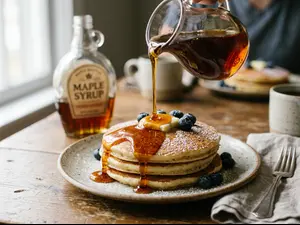
syrup
[sir-up]
a thick, sweet liquid often used in cooking or drinks

talisman
[tal-is-muhn]
any amulet or charm
Little-Known Money Hacks That Could Save You Hundreds
Review the list →

Is Staying With the Same Insurer Costing You More?
Explore Your Options →

octogenarian
[ok-tuh-juh-nair-ee-uhn]
a person who is between 80 and 90 years old

tenable
[ten-uh-buhl]
capable of being held, maintained, or defended, as against attack or dispute

These 10 Money Moves Could Save Seniors Hundreds
Read more →

anfractuous
[an-frak-choo-uhs]
characterized by windings and turnings; sinuous; circuitous

maritime
[mar-i-tahym]
associated with the sea or waterways to the sea in relation to navigation, shipping, etc.
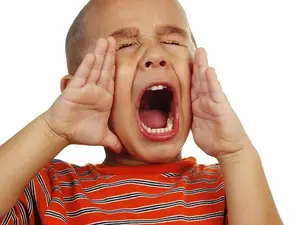
vociferate
[voh-sif-uh-reyt]
to speak or cry out loudly or noisily; shout; bawl

nutritious
[noo-trish-uhs]
providing nourishment or health benefits

succuss
[suh-kuhs]
medicine/medical; to shake (a patient) in order to determine if a fluid is present in the thorax or elsewhere

cache
[kash]
a hiding place, especially one in the ground, for ammunition, food, treasures, etc.

cybersquatting
[sahy-ber-skwot-ing]
the registration of a commercially valuable internet domain name, as a trademark, with the intention of selling it or profiting from its use

abdicate
[ab-di-kayt]
to give up a position, usually one of leadership