
sneaky
adjectivebehaving in a secretive or deceitful way
What Makes This Word Tick
Sneaky describes behavior that hides what it is really doing. It often suggests secrecy, trickery, or quiet movement meant to avoid being noticed. The word can be playful or critical depending on the situation.
If Sneaky Were a Person…
Sneaky would close the cookie jar softly and look innocent before anyone asked. They would move quietly, but not always honestly. Their plan would depend on not being seen.
How This Word Has Changed Over Time
Sneaky comes from sneak, from Middle English sniken, meaning "to creep," with -y added to show the quality. That creeping background still fits the modern word. A sneaky action moves in secret or deceit.
Old Sayings and Proverbs
Sneaky is not commonly found in traditional proverbs, but its meaning fits old warnings about hidden behavior. An imagined proverb-like line might be: "A sneaky foot leaves prints where honesty would walk." It suggests that secretive actions still leave signs behind.
Surprising Facts
Sneaky is not always deeply serious. A sneaky snack or sneaky shortcut can sound playful. The word becomes sharper when the secrecy is meant to deceive or harm.
Out and About With This Word
You can use sneaky for children, tricks, shortcuts, plans, glances, and behavior that avoids notice. It fits kitchens, classrooms, games, offices, and stories about deception. Use it when secrecy is part of the action.
Pop Culture Moments Where Sneaky Was Used
It would fit naturally alongside Home Alone, where clever traps and hidden movement shape the comedy. It also suits The Parent Trap, where secret plans and disguised intentions drive the fun. In both cases, sneaky describes behavior that works by staying unnoticed.
The Word in Literature
In literature, sneaky suits characters who hide motives, creep through rooms, or act behind someone's back. It can sound playful in children's stories or suspicious in more serious scenes. The word gives secrecy a quick shape.
Moments in History with Sneaky
In a marketplace, palace hallway, or school corridor, sneaky can describe someone acting quietly to avoid being noticed. The setting makes watchfulness important. The word keeps attention on secretive behavior.
This Word Around the World
Many languages have words for sly or secretive behavior. Sneaky gives English a casual adjective for quiet deceit or hidden action. It is useful when someone is not being open.
Where Does It Come From?
Sneaky comes from sneak, from Middle English sniken, meaning "to creep," with the suffix -y. That origin explains the word's connection to hidden movement. In modern English, sneaky means behaving in a secretive or deceitful way.
How People Misuse This Word
Sneaky should not be used for every quiet action. Someone can be quiet without being sneaky. The word works best when secrecy, deception, or hidden intent is involved.
Words It's Often Confused With
Sneaky can be confused with quiet, but quiet is neutral. It can also overlap with sly, though sneaky often feels more casual. The word points to secretive behavior.
Additional Synonyms and Antonyms
Additional synonyms: secretive, tricky, covert, shifty Additional antonyms: upfront, plainspoken, transparent, aboveboard
Want to Try It Out in a Sentence?
The sneaky child tried to steal a cookie without anyone noticing.
Explore more words
11 Dumbest Things Middle-Class Americans Waste Money On
See what to cut →
sigil
[sij-il]
a seal or signet

traverse
[trav-ers]
to pass or move over, along, or through
Little-Known Money Hacks That Could Save You Hundreds
Review the list →

Is Staying With the Same Insurer Costing You More?
Explore Your Options →

enumerate
[ih-noo-muh-reyt]
to ascertain the number of; count

chutzpah
[hutz-pah]
informal shameless audacity; impudence

These 10 Money Moves Could Save Seniors Hundreds
Read more →

superhuman
[soo-per-hyoo-muhn]
exceeding normal human abilities

demagogue
[dem-uh-gog]
a political leader who seeks support by appealing to the desires and prejudices of ordinary people rather than by using rational argument

nonchalant
[non-shuh-lahnt]
coolly unconcerned, indifferent, or unexcited; casual

fulminate
[fuhl-muh-neyt]
to issue denunciations or the like

censorious
[sen-sawr-ee-uhs]
severely critical; fault-finding; carping
encomium
[en-koh-mee-uhm]
a speech or piece of writing that praises someone or something highly

nutritious
[noo-trish-uhs]
providing nourishment or health benefits
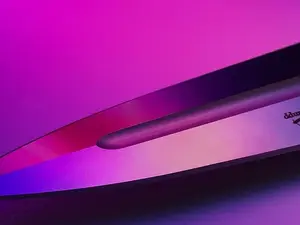
snickersnee
[snik-er-snee]
a knife, especially one used as a weapon.

complacent
[kuhm-pley-suhnt]
pleased, especially with oneself or one's merits, advantages, situation, etc., often without awareness of some potential danger or defect; self-satisfied

cicerone
[sis-uh-roh-nee]
a guide who gives information about antiquities and places of interest to sightseers
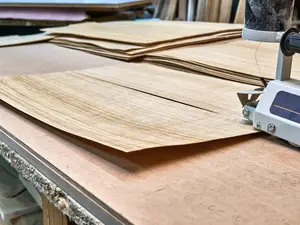
veneer
[vuh-neer]
a thin layer of wood or other material for facing or inlaying wood

lethargic
[luh-thahr-jik]
affected by lethargy; drowsy; sluggish; apathetic