
ensorcell
verbto bewitch, charm, or enchant
What Makes This Word Tick
"Ensorcell" is a word that dances on the enchanting edge of the English language, evoking a sense of magic and wonder. It's a whimsical verb that means to bewitch or enchant, often leaving those who hear it a bit spellbound themselves!
If Ensorcell Were a Person…
Imagine Ensorcell as a mystical storyteller, perhaps clad in flowing robes, with a twinkle in their eye and a knack for drawing you into their tales. They'd be the person at the party who weaves fascinating stories about lands far away or mysteries of old, leaving you enchanted and yearning for more.
How This Word Has Changed Over Time
"Ensorcell" has retained its enchanting aura over the centuries, though its use has become more rarefied. Once a common incantation in the medieval lexicon of magic and spells, today it's a word that aficionados of language might pull out to cast a literary spell.
Old Sayings and Proverbs That Use Ensorcell
While not found in age-old proverbs, "ensorcell" certainly brings to mind those classic tales and idioms of enchantment and illusionism. Think phrases like "under a spell" or "charmed life," where the essence of ensorcelling is palpably close.
Surprising Facts About Ensorcell
Despite its rarity, "ensorcell" has a cousin in French: "ensorceler," which also means to enchant. This cross-cultural charm highlights how languages can share a magical lineage, whispering spells across borders and time.
Out and About With This Word
You might not hear "ensorcell" at the grocery store, but it's alive and well at Renaissance fairs and fantasy conventions, where magic and wonder are the order of the day. It's a delight for those who love the theatrical side of language!
Pop Culture Moments Where Ensorcell Was Used
You won't find "ensorcell" headlining a blockbuster, but it's a word fit for a fantasy novel or a great Dungeons & Dragons campaign. It might be sprinkled through the pages of a book where the protagonist finds themselves ensorcelled by an ancient amulet.
The Word in Literature
"Ensorcell" adds a dash of magic to literary works, particularly in fantasy and romance genres. Authors who revel in richly woven tapestries of words might use "ensorcell" to describe a character's mesmerizing transformation or captivating encounter.
Moments in History with Ensorcell
Think of historical moments enveloped in intrigue, like the Salem witch trials or the mystical court of Elizabeth I-times when being ensorcelled was more reality than fiction, sparking fear and fascination.
This Word Around the World
While "ensorcell" casts its spell in English, its essence exists in cultures worldwide, from the "duende" of Spanish folklore to stories of "mojo" in African American culture. It's a word that transcends boundaries, capturing the universal allure of magic.
Where Does It Come From?
"Ensorcell" finds its roots in Old French "ensorceler," highlighting the medieval fascination with sorcery and spells. Its journey into English is a testament to the language's borrowing brilliance, pulling delightful words from the cauldron of history.
How People Misuse This Word
Sometimes mistaken for mere "charm" or "enchant," "ensorcell" holds a mystical depth that those simpler words can't quite capture. It's about more than just delight; it's about ensnaring the senses and souls.
Words It's Often Confused With
- Enchant: Less about magic and more about delighting.
- Bewitch: Often carries a more modern tone.
- Spellbind: Lacks the ancient magical connotation.
- Captivate: A broader term for holding interest, sans the mystic aura.
Additional Synonyms and Antonyms
Synonyms include "enchant," "bewitch," and "mesmerize," all offering shades of magical allure. Antonyms like "bore" or "repulse" strip away the enchantment, grounding us back to the mundane.
Want to Try It Out in a Sentence?
"Under the silver moon, the storyteller's words ensorcelled the crowd, weaving a tapestry of wonder and mystery that lingered long after the story had ended."
Explore more words

11 Dumbest Things Middle-Class Americans Waste Money On
See what to cut →

chthonic
[tha-nik]
of or relating to the deities, spirits, and other beings dwelling under the earth

overindulge
[oh-ver-in-dulj]
to partake in something excessively

Little-Known Money Hacks That Could Save You Hundreds
Review the list →

Is Staying With the Same Insurer Costing You More?
Explore Your Options →
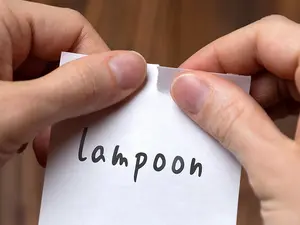
lampoon
[lam-poon]
publicly criticize (someone or something) by using ridicule, irony, or sarcasm

gross
[grohs]
disgusting or distasteful.

These 10 Money Moves Could Save Seniors Hundreds
Read more →

colossal
[kuh-los-ul]
extremely large or impressive

enumerate
[ih-noo-muh-reyt]
to ascertain the number of; count

perpetuate
[per-pech-oo-eyt]
to enable or allow the continuation of into the future; keep alive (used most often in reference to something considered harmful or false)
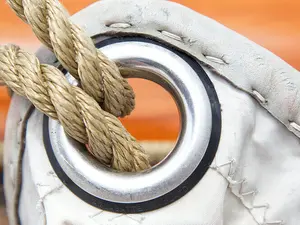
grommet
[grom-it]
an eyelet placed in a hole in a sheet or panel to protect or insulate a rope or cable passed through it or to prevent the sheet or panel from being torn

idolize
[ahy-duh-lahyz]
to admire or love someone excessively

traverse
[trav-ers]
to pass or move over, along, or through

zealot
[z-eal-ot]
a person who is fanatical or uncompromising in their support for a cause or belief.

vocational
[voh-key-shuh-nl]
of, relating to, or connected with a vocation or occupation