unabashed
adjective
not embarrassed or ashamed
What Makes This Word Tick
Unabashed describes someone who does not shrink from what they like, say, or do. It is not always rude or careless. The word often suggests open confidence in a place where embarrassment might be expected.
If Unabashed Were a Person…
Unabashed would sing the wrong lyric loudly and laugh before anyone else could. They would not hide the joy just because it looked silly. Their confidence would make embarrassment lose its grip.
How This Word Has Changed Over Time
Unabashed is built from an older idea of shame, with un- showing the lack of it. The modern word keeps that meaning clearly. A person who is unabashed is not embarrassed or ashamed.
Old Sayings and Proverbs
Unabashed is not commonly found in traditional proverbs, but its meaning fits old advice about confidence. An imagined proverb-like line might be: "An unabashed heart dances before the music is praised." It suggests that confidence does not always wait for permission.
Surprising Facts
Unabashed can sound admiring or critical depending on context. Someone may be unabashed about a harmless hobby, or unabashed in a way that seems too bold. The word focuses on the absence of embarrassment.
Out and About With This Word
You can use unabashed for fans, readers, performers, speakers, collectors, and people who openly enjoy what they love. It fits parties, classrooms, clubs, interviews, and online posts. Use it when someone is not hiding their feelings.
Pop Culture Moments Where Unabashed Was Used
It would fit naturally alongside Legally Blonde, where confidence and personal style are shown without apology. It also suits The Greatest Showman, where performance and self-display become part of the energy. In both cases, unabashed describes being openly unashamed.
The Word in Literature
In literature, unabashed suits characters who refuse to hide delight, desire, pride, or belief. It can describe a laugh, confession, outfit, or declaration made without embarrassment. The word gives confidence a bright, open quality.
Moments in History with Unabashed
In a public speech, theater stage, or crowded town square, unabashed can describe someone acting without embarrassment before others. The setting makes confidence visible. The word keeps attention on open lack of shame.
This Word Around the World
Many languages have ways to describe being unashamed or free from embarrassment. Unabashed gives English a strong word for open confidence. It is useful when someone refuses to hide.
Where Does It Come From?
Unabashed comes from Old English abaescian, meaning "to shame," with the prefix un- showing lack of embarrassment. That origin fits the modern meaning. In English, unabashed means not embarrassed or ashamed.
How People Misuse This Word
Unabashed should not be used only to mean rude. A person can be unabashed in a joyful, harmless, or admirable way. The word works best when the key idea is lack of shame or embarrassment.
Words It's Often Confused With
Unabashed can be confused with shameless, but shameless often sounds more negative. It can also overlap with bold, though unabashed focuses more on not feeling embarrassed. The word is about openness.
Additional Synonyms and Antonyms
Additional synonyms: unembarrassed, open, unapologetic, confident Additional antonyms: bashful, reserved, timid, sheepish
Want to Try It Out in a Sentence?
She was unabashed about her love for cheesy romance novels.
Explore more words


fidelity
[fi-del-i-tee]
strict observance of promises, duties, etc.

convalesce
[kon-vuh-les]
to recover health and strength after illness; make progress toward recovery of health



castigate
[kas-ti-geyt]
to reprimand someone severely

sarcophagus
[sahr-kof-uh-guhs]
a stone coffin, typically adorned with a sculpture or inscription and associated with the ancient civilizations of Egypt, Rome, and Greece


deride
[de-ryde]
to ridicule or mock someone or something

tantalize
[tan-tl-ahyz]
to torment with, or as if with, the sight of something desired but out of reach; tease by arousing expectations that are repeatedly disappointed

humility
[hyoo-mil-i-tee]
the quality of having a modest or low view of one’s importance

complainer
[k-ompl-ain-er]
a person who frequently expresses dissatisfaction or grievances.

vocational
[voh-key-shuh-nl]
of, relating to, or connected with a vocation or occupation

ribald
[rib-uhld]
vulgar or indecent in speech, language, etc.; coarsely mocking, abusive, or irreverent; scurrilous
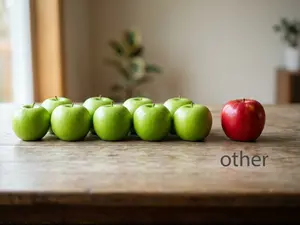
other
[uhth-er]
not the same

fury
[fyoor-ee]
violent anger or rage