beast-like
adjectiveresembling or behaving like a beast
What Makes This Word Tick
Beast-like describes someone or something that resembles an animal in behavior, appearance, or raw intensity. It’s often used when you want to stress a lack of restraint—more feral than simply “strong.” Compared with “wild,” beast-like can feel more physical and more intimidating.
If Beast-like Were a Person…
Beast-like would be the person who enters a room with pure instinct and zero softness around the edges. They move like rules are optional and power is the only language. Even when they’re not dangerous, they feel untamed.
How This Word Has Changed Over Time
Beast-like has stayed pretty steady: it’s a descriptive label for animal-resembling behavior or qualities. In modern use, it often shows up as a vivid intensifier, especially when describing strength or aggression.
Old Sayings and Proverbs
A proverb-style idea that fits beast-like is that when instincts take the wheel, manners get left behind. It captures the contrast between civilized restraint and animal-driven behavior.
Surprising Facts
Beast-like is built as a clear compound, so readers grasp the meaning quickly without needing extra context. It often carries a judgmental edge, implying behavior that’s feral, harsh, or overly driven. Because it’s an adjective, it can sharpen a description in a single stroke.
Out and About With This Word
You’ll often see beast-like in sports or action descriptions, where someone’s intensity is being highlighted. It also appears in storytelling when a character is acting on instinct rather than reason. The word fits best when the point is raw, animal-resembling behavior.
Pop Culture Moments Where Beast-like Was Used
In pop culture, this idea often shows up in characters who “lose control” and slip into feral intensity during conflict or high stakes. The beast-like moment is when instinct overrides planning, and the behavior turns wild and intimidating. That’s the concept the word captures.
The Word in Literature
In literary writing, beast-like is a shortcut to primal imagery, often used to sharpen a character’s menace or desperation. It can shift tone toward fear, brutality, or survival without lengthy explanation. Writers choose it when they want the reader to feel instinct and rawness on the page.
Moments in History with Beast-like
The concept fits historical accounts of situations where people are described as acting on survival instinct—scarcity, violence, or panic can push behavior toward the feral. The term also matches how observers sometimes depict extreme aggression in conflict. It connects to history as a way of describing behavior that feels more animal than civilized.
This Word Around the World
Across languages, this idea is usually expressed through words meaning “animal-like,” “feral,” or “brutish,” depending on whether the focus is behavior or vibe. Some languages may choose a stronger insult or a more neutral comparison, but the core meaning stays tied to resembling a beast.
Where Does It Come From?
Beast-like comes from straightforward English compounding: beast plus -like, literally “like a beast.” Its clarity is part of its power—there’s no mystery about the comparison it’s making. The etymology points back to earlier English and French roots behind beast and like.
How People Misuse This Word
Beast-like is sometimes used as a generic hype word for “impressive,” but it usually implies something feral or brutish, not just admirable skill. It can also be unfairly dehumanizing if applied casually to people in a way that reduces them to instinct. If you mean “very strong,” a less loaded adjective may be better.
Words It’s Often Confused With
Beast-like is often confused with “wild,” but wild can be neutral or even positive, while beast-like tends to feel harsher. It also overlaps with “animalistic,” which can be more clinical-sounding, and “brutish,” which emphasizes cruelty more than instinct.
Additional Synonyms and Antonyms
Additional Synonyms: bestial, ferine, brutelike\nAdditional Antonyms: gentle, courteous, restrained
Want to Try It Out in a Sentence?
"The wrestler’s beast-like strength intimidated his opponents."
Explore more words

11 Dumbest Things Middle-Class Americans Waste Money On
See what to cut →
loquacious
[loh-kwey-shuhs]
talking or tending to talk much or freely; talkative; chattering; babbling; garrulous

hearsay
[heer-sey]
information received from other people that one cannot adequately substantiate; rumor

Little-Known Money Hacks That Could Save You Hundreds
Review the list →

Is Staying With the Same Insurer Costing You More?
Explore Your Options →
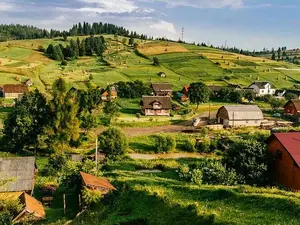
picturesque
[pik-chuh-resk]
virtually charming or quaint, as if resembling or suitable for a painting

evanescent
[ev-uh-nes-uhnt]
soon passing out of sight, memory, or existence; quickly fading or disappearing

These 10 Money Moves Could Save Seniors Hundreds
Read more →

bonehead
[bohn-hed]
a stupid or foolish person

choleric
[kol-er-ik]
extremely irritable or easily angered; irascible

tarnish
[tahr-nish]
to lose or cause to lose luster, especially as a result of exposure to air or moisture

bestow
[b-est-ow]
to present or grant something as a gift or honor.
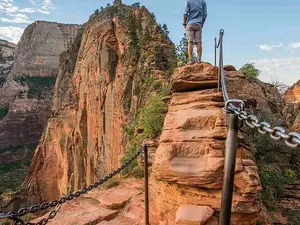
treacherous
[trech-er-uhs]
unstable or insecure, as in footing

unsparing
[unsp-ar-ing]
generous and unrestrained in giving; also refers to harsh or severe criticism.

peculiar
[pe-cul-iar]
bizarre, strange

adamantine
[ad-uh-man-teen]
too hard to cut, break, or pierce

banal
[buh-nal]
devoid of freshness or originality; hackneyed; trite

wane
[weyn]
to decrease in strength, intensity, etc.
minatory
[min-uh-tawr-ee]
menacing; threatening

sabotage
[sab-uh-tahzh]
any underhand interference with production, work, etc., in a plant, factory, etc., as by enemy agents during wartime or by employees during a trade dispute