brumous
adjective
misty, foggy, or wintry.
What Makes This Word Tick
Brumous puts atmosphere ahead of a precise weather measurement. In a brumous harbor, the softened outline of a ship matters as much to the description as the moisture in the air.
If Brumous Were a Person...
Brumous would arrive in a thick scarf while the streetlights faded into mist. They would be comfortable with a sky that never quite clears.
How This Word Has Changed Over Time
John Galsworthy used brumous in a description of an October evening. That literary example shows the word's application beyond the coldest winter months.
Old Sayings and Proverbs
The expression "a pea-souper" names a very thick fog and does not contain brumous. It suggests a denser, more obstructive scene than the softer mist that a brumous morning may have.
Surprising Facts
Brumous shares its winter root with brumal, an adjective meaning wintry. The spelling resemblance is useful, but brumous also directs attention to mist or fog.
Out and About With This Word
A travel writer might describe a brumous harbor at dawn. The adjective suits a scene with subdued outlines and cool air.
Pop Culture Moments Where Brumous Was Used
It would fit naturally alongside The Fog, where obscured visibility shapes the atmosphere. It also suits Harry Potter and the Prisoner of Azkaban, where misty, cold-looking landscapes help create unease. In both cases, brumous describes a fog-laden visual mood.
The Word in Literature
Charles Dickens opens Bleak House with fog spreading through London and around the Court of Chancery. Brumous suits the scene's obscured outlines, where weather also helps establish the novel's atmosphere.
Moments in History with Brumous
Claude Monet painted London's Waterloo Bridge in views shaped by fog and changing light. These paintings give a brumous cityscape a specific place in Impressionism, with bridge arches and traffic softened by the air between painter and subject.
This Word Around the World
French brumeux means covered or veiled in mist and is closely related to brume, meaning mist or fog. It offers a practical counterpart to the foggy sense of brumous, while the English adjective can also suggest winter.
Where Does It Come From?
Brumous is formed from English brume and -ous, probably following French brumeux. The deeper Latin root bruma referred to winter, linking its foggy atmosphere to the season.
How People Misuse This Word
Brumous should not be used simply to mean rainy. Mist and a winterlike atmosphere are more central to its usual effect.
Words It's Often Confused With
Brumous is close to nebulous in imagery, but nebulous often means vague or unclear in a figurative sense. Brumous more directly evokes weather.
Additional Synonyms and Antonyms
Additional synonyms: fog-laden, mist-shrouded Additional antonyms: cloudless, sunlit
Want to Try It Out in a Sentence?
The brumous morning hid the hills beyond the harbor.
Explore more words


regretful
[ri-gret-fuhl]
feeling or showing regret or sorrow

disseminate
[dih-sem-uh-neyt]
to scatter or spread widely, as though sowing seed; promulgate extensively; broadcast; disperse



horrible
[hawr-uh-buhl]
causing horror; extremely unpleasant

tocsin
[tok-sin]
a bell used to sound an alarm


fidelity
[fi-del-i-tee]
strict observance of promises, duties, etc.

besmirch
[bih-smurch]
to detract from the honor or luster of

defer
[dih-fer]
to postpone or delay something; to yield to someone

foolish
[foo-lish]
lacking good sense or judgment
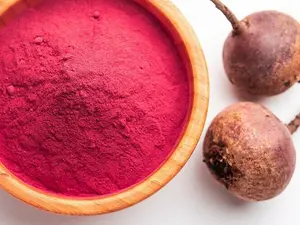
triturate
[trich-uh-reyt]
to reduce to fine particles or powder by rubbing, grinding, bruising, or the like; pulverize

clean
[kleen]
free from dirt, pollution, or unwanted matter

pervading
[pur-vey-ding]
spreading throughout; permeating.

sibilant
[sib-i-lunt]
characterized by a hissing sound, especially an s or sh sound.