
corybantic
adjectivewild; frenzied
What Makes This Word Tick
Ah, "corybantic"-it's a bit of a tongue-twister, isn't it? This lively word is all about being frenzied or unrestrained, often in a way that involves wild, ecstatic dancing. Perfect for those moments when you throw caution to the wind and just let loose on the dance floor.
If Corybantic Were a Person…
If corybantic were a person, they'd be the life of the party, always twirling and moving to their own rhythm. Picture someone who swings from one adventure to another with boundless energy and an infectious zest for life.
How This Word Has Changed Over Time
Corybantic hasn't strayed far from its roots. Growing out of ancient rituals linked to the Corybantes, attendants of the goddess Cybele, its essence still captures the spirit of ecstatic movement and abandonment.
Old Sayings and Proverbs That Use Corybantic
You won't find "corybantic" in many traditional proverbs. However, if there were a saying, it might warn against losing oneself in the dance of life-but maybe that's just another way to suggest we should enjoy it to the fullest!
Surprising Facts About Corybantic
Believe it or not, this word shares its lineage with some very ancient Greek traditions. The Corybantes were priests who worshipped the Phrygian goddess Cybele with such zeal that their dances were said to be among the most spirited and frenzied.
Out and About With This Word
While you're unlikely to order a "corybantic coffee," this word might come in handy at an art exhibit or a raucous concert where the energy is as high as the volume.
Pop Culture Moments Where Corybantic Was Used
Corybantic could describe the uninhibited energy of rock concerts in the '60s or even the unrestrained enthusiasm of fans at a sporting event. Anywhere there's ecstatic frenzy, this word feels right at home.
The Word in Literature
In literature, you'd find "corybantic" in works focusing on untamed passions or characters caught in a whirlwind of emotion. Authors who revel in the dramatic and the wild would be your best bet to encounter such a word.
Moments in History with Corybantic
Imagine the frenzied celebrations of victory in World War II, where joy spilled out into streets worldwide. While "corybantic" might not have been penned at the time, it certainly captured the spirit of those jubilant times.
This Word Around the World
Globally, cultures express ecstatic dance differently-from the Brazilian carnavals to India's Holi festival. Each has its own form of what we might call corybantic, a universal celebration of spirited expression.
Where Does It Come From?
Our word "corybantic" hails from the Greek "Korybantes," priests associated with the wild, ecstatic worship of Cybele. To be corybantic is to embody the spirited energy of their ancient rituals.
How People Misuse This Word
Sometimes people might use "corybantic" to describe anything merely chaotic, missing the nuance of frenzied energy tied specifically to ecstatic celebration or an intense experience.
Words It's Often Confused With
- Chaotic: Often used for disorder without the joyous or frenzied connotation.
- Frantic: Suggests anxiety, unlike the jubilant quality of corybantic.
- Hectic: Implies busyness, but lacks the inherent joy.
Additional Synonyms and Antonyms
Synonyms you might like include "wild," "frenzied," or "exuberant." For antonyms, consider "calm," "restrained," or "composed."
Want to Try It Out in a Sentence?
After the championship win, the fans spilled onto the field in a corybantic celebration, their joy echoing through the night.
Explore more words

11 Dumbest Things Middle-Class Americans Waste Money On
See what to cut →

caducity
[kuh-doo-si-tee]
the infirmity or weakness of old age; senility

hesitation
[hez-i-tay-shun]
the act of pausing before acting or speaking

Little-Known Money Hacks That Could Save You Hundreds
Review the list →

Is Staying With the Same Insurer Costing You More?
Explore Your Options →

sagacious
[suh-gey-shuhs]
having or showing acute mental discernment and keen practical sense; shrewd
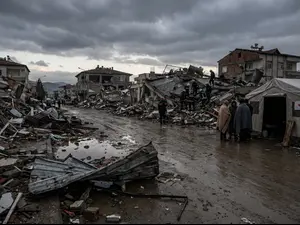
horrible
[hawr-uh-buhl]
causing horror; extremely unpleasant

These 10 Money Moves Could Save Seniors Hundreds
Read more →

invert
[in-vurt]
to turn upside down

absquatulate
[ab-skwoch-uh-leyt]
to flee; abscond

cheap
[ch-eap]
low in cost or quality; also used to describe someone lacking generosity or value.

spray
[sprey]
a fine mist of liquid or small drops of water

renegade
[ren-i-geyd]
of or like a renegade (a person who deserts a party or cause for another); traitorous

loaded
[l-oad-ed]
heavily burdened or full, often referring to wealth, possessions, or physical weight.

incurable
[ink-ur-abl-e]
not able to be cured or remedied, often referring to diseases or conditions.

baneful
[b-an-ef-ul]
harmful, destructive, or causing ruin.
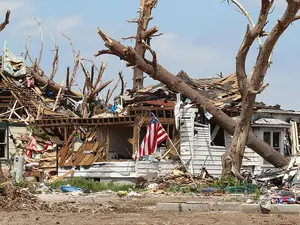
abject
[ab-jekt]
(of something bad) experienced or present to the maximum degree

infodemic
[in-foh-dem-ik]
a massive amount of widely and rapidly circulating information about a particular crisis or controversial issue, consisting of a confusing combination of fact, falsehood, rumor, and opinion

substantiate
[suhb-stan-shee-eyt ]
to establish by proof or competent evidence

snickersnee
[snik-er-snee]
a knife, especially one used as a weapon.