
imbibe
verb, verbto consume (liquids) by drinking; drink to absorb or soak up, as water, light, or heat
What Makes This Word Tick
"Imbibe" is a delightfully old-fashioned word for consuming beverages, particularly the kind that come with a little extra cheer, if you catch my drift. It's quite formal-like wearing a top hat to a casual picnic-and suggests savoring and absorbing something fully, not just a quick swig.
If Imbibe Were a Person…
Imagine a genteel, well-traveled aunt who loves regaling the family with tales from her adventures abroad. She's always got a cup of something intriguing in hand, perhaps a rare tea or an obscure wine that she sips slowly while sharing her wisdom. Her laughter is infectious, and she's never in a rush.
How This Word Has Changed Over Time
Originally, "imbibe" meant to literally soak something up, like a sponge. Over time, it became more about drinking and then not just liquid. Nowadays, you can imbibe knowledge, culture, or experiences, though some people still think of it primarily in relation to spirited beverages.
Old Sayings and Proverbs That Use Imbibe
An old toast, not quite a proverb but charming nonetheless, might go, "Let us imbibe and thrive!" While not officially in the books, you can almost hear this being said at a gathering in an old-time pub or a sophisticated Victorian party.
Surprising Facts About Imbibe
This word doesn't have to be about alcohol! You can imbibe water, tea, or even an insightful lecture. It's versatile yet maintains an air of sophistication. The humor lies in how people often snicker when it's used outside a boozy context.
Out and About With This Word
Next time you're at a book club or a dinner party, casually drop "imbibe" when someone offers you a drink. You'll either get a knowing smile or prompt a delightful linguistic discussion. Either way, it'll be quite the conversational spark!
Pop Culture Moments Where Imbibe Was Used
While "imbibe" doesn't headline many movies or songs, the elevated vernacular enjoys occasional celebrity in period dramas and historical novels. Characters in literary adaptations might use it when discussing their affection for afternoon tea or an evening cordial.
The Word in Literature
In literature, "imbibe" is akin to a literary sommelier, offering readers a sip of higher-brow prose. You'd likely find it in classic works or used by authors who enjoy a subtle nod to the readers' intellect. Think Dickens or Austen.
Moments in History with Imbibe
Picture Benjamin Franklin and his contemporaries at a tavern, enjoying a lively debate while imbibing local brews. Such moments where intellectual fuel and liquid courage intermingled were quite common in Enlightenment circles.
This Word Around the World
Translated, "imbibe" often carries similar meanings in other languages. In French, you might "imbiber," which aligns closely. But if you're sharing beverages in a foreign land, local idioms for raising a glass often capture the same spirit in unique ways.
Where Does It Come From?
"Imbibe" trickles down to us from the Latin word "imbibere," where "in-" means "into" and "bibere" means "to drink." Quite literally, to drink into oneself, aligning with its meaning of absorbing fully.
How People Misuse This Word
Sometimes, people overuse "imbibe" when they simply mean "drink," leading to a comedic overstatement. It's a bit like using a fine china cup for your morning coffee routine-charming, but perhaps not necessary!
Words It's Often Confused With
- Ingest: While ingest is also about taking something in, it includes food, whereas imbibe leans towards liquids.
- Absorb: This is more about sponges or ideas than any specific consumption act.
- Drink: A direct synonym, though imbibe dances in a more sophisticated ballpark.
Additional Synonyms and Antonyms
Synonyms include "sip," "quaff," and "gulp" for more casual imbibing moments. An antonym might be "abstain," the party pooper of the drinking world-though sometimes a welcome guest.
Want to Try It Out in a Sentence?
After the vibrant discussion at the literary club, they decided to imbibe a selection of wines inspired by the novels they had read, each pour sparking joy and further debate.
Explore more words
11 Dumbest Things Middle-Class Americans Waste Money On
See what to cut →

elicit
[ih-lis-it]
to evoke or draw out a response, answer, or fact

inject
[in-jekt]
to introduce a substance into something, typically a body or system
Little-Known Money Hacks That Could Save You Hundreds
Review the list →

Is Staying With the Same Insurer Costing You More?
Explore Your Options →

perpetuate
[per-pech-oo-eyt]
to enable or allow the continuation of into the future; keep alive (used most often in reference to something considered harmful or false)

innovative
[in-uh-vey-tiv]
tending to innovate, or introduce something new or different; characterized by innovation

These 10 Money Moves Could Save Seniors Hundreds
Read more →

rufescent
[roo-fes-uhnt]
somewhat reddish; tinged with red; rufous

logorrhea
[law-guh-ree-uh]
pathologically incoherent, repetitious speech; incessant or compulsive talkativeness
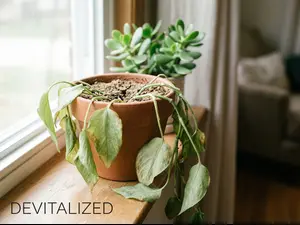
devitalized
[dee-vy-tuh-lyzd]
deprived of strength or vitality

onerous
[oh-ner-us]
burdensome or requiring great effort

paraselene
[par-uh-si-lee-nee]
Meteorology—a bright moonlike spot on a lunar halo; a mock moon

gloomy
[gloo-mee]
dark or poorly lit, especially to create a depressing atmosphere; feeling sad or pessimistic

exacerbation
[ig-zas-er-bey-shuhn]
the act of making a negative situation feel worse than it is

shrewd
[shrood]
having or showing astute or sharp judgment in practical matters, sometimes at the cost of moral compromise
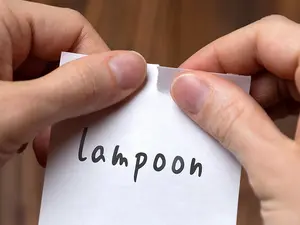
lampoon
[lam-poon]
publicly criticize (someone or something) by using ridicule, irony, or sarcasm

conspicuous
[kuhn-spik-yoo-uhs]
attracting special attention, as by outstanding qualities or eccentricities

yuppie
[yuhp-ee]
a young, ambitious, and well-educated city-dweller who has a professional career and an affluent lifestyle

diatribe
[dahy-uh-trahyb]
a bitter, sharply abusive denunciation, attack, or criticism