mordant
adjective
sharply caustic or sarcastic, as wit or a speaker; biting
What Makes This Word Tick
"Mordant" packs a punch that might surprise those who think of words as mere delivery systems for ideas. It's a word that plays dress-up, wearing the guise of both adjective and noun. To be "mordant" is not to shy away from sharpness; it's to embrace a biting, keen wit that punctures and provokes, often leaving a lingering aftertaste of reflection.
If Mordant Were a Person…
Picture a wise-cracking raconteur with a penchant for sardonic humor at cocktail parties. This person peers over their glasses with a discerning eye, always ready with a remark that is as clever as it is cutting. There's a warmth beneath their barbs, though, and a deep appreciation for the absurdities of life.
How This Word Has Changed Over Time
"Mordant" originates from the Latin "mordere," meaning "to bite," and it's never quite lost its edge. While early uses described literal acts of biting or stinging, over time, the word has evolved to metaphorically capture a sharpness of tongue rather than tooth or claw.
Old Sayings and Proverbs That Use Mordant
While not appearing in classic proverbs, the spirit of "mordant" is alive in sayings about sharp wit and cutting remarks, such as "the pen is mightier than the sword"-a nod to verbal rather than physical duels.
Surprising Facts About Mordant
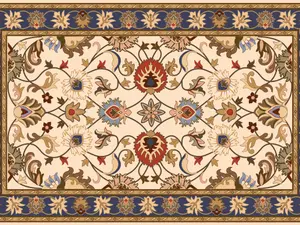
Did you know "mordant" is also a term in the world of art and textiles? It's used to describe substances that fix dyes onto fabrics. Thus, "mordant" truly encapsulates its roots, as it "bites" chemicals into the very fibers, creating lasting impressions.
Out and About With This Word
When out shopping, you might encounter "mordant" humor in the greeting card aisle-a place where sharp, witty puns run rampant. Comedians, playwrights, and satirists often wield this word in their jesting toolbox to keep audiences on their toes.
Pop Culture Moments Where Mordant Was Used
If you've seen a Monty Python skit or tuned into a Jon Stewart monologue, you've witnessed "mordant" humor in action. It's the kind of comedy that cuts through the noise, offering a sharp critique wrapped in humor that's hard to forget.
The Word in Literature
You'll find "mordant" speech in the works of Oscar Wilde and Dorothy Parker, whose razor-sharp quips still echo through the literary halls. It often appears in satirical pieces where authors wield words like weapons, slicing through pretension or hypocrisy.
Moments in History with Mordant
During the Enlightenment, figures like Voltaire and Jonathan Swift wielded "mordant" wit in their essays and satires, challenging the status quo and inspiring critical thought under the guise of entertainment.
This Word Around the World
In French, "mordant" retains a similar meaning, reflecting a sharp humor or biting commentary. Meanwhile, in Japanese, a phrase like "karai hiyou" might convey the same stinging criticism or satirical tone.
Where Does It Come From?
As mentioned, "mordant" hails from the Latin "mordere," which means "to bite." The word made its way into Old French as "mordant," seamlessly transitioning into English with its incisive connotations intact.
How People Misuse This Word
Often, people assume "mordant" can mean merely "funny" or "witty," overlooking the critical edge that is key to its meaning. It's not just about humor; it's about a humor that cuts to the core.
Words It's Often Confused With
- Caustic: Both refer to biting remarks, but "caustic" can imply a corrosive or bitter quality.
- Acerbic: While also referring to sharpness, "acerbic" often implies sourness or bitterness in tone.
- Sarcastic: This involves irony and usually aims to mock or convey contempt, rather than pointed wit.
Additional Synonyms and Antonyms
Synonyms for "mordant" include biting, caustic, and trenchant, while its antonyms might be bland, mild, and gentle, reflecting its sharp, incisive nature.
Want to Try It Out in a Sentence?
Why not give it a whirl at your next literary club meeting? "Her mordant critique of the novel left the room in silent contemplation, a testament to the power of well-aimed words."
Explore more words

utopia
[yoo-toh-pee-uh]
an ideal place or state

unctuous
[uhngk-choo-uhs]
characterized by excessive piousness or moralistic fervor, especially in an affected manner; excessively smooth, suave, or smug



rarity
[r-ar-ity]
the state or quality of being uncommon or unique.

aquiver
[uh-kwiv-er]
in a state of trepidation or vibrant agitation; trembling; quivering


yuppie
[yuhp-ee]
a young, ambitious, and well-educated city-dweller who has a professional career and an affluent lifestyle

dignified
[dig-nuh-fahyd]
characterized or marked by dignity of aspect or manner; stately; decorous

vignette
[vin-yet]
a decorative design or small illustration used on the title page of a book or at the beginning of a chapter

cicerone
[sis-uh-roh-nee]
a guide who gives information about antiquities and places of interest to sightseers

ramify
[ram-uh-fahy]
to divide or spread out into branches or branchlike parts; extend into subdivisions

adroit
[uh-droit]
expert or nimble in the use of the hands or body

magnanimous
[mag-nan-uh-muhs]
generous in forgiving an insult or injury; free from petty resentfulness or vindictiveness

minatory
[min-uh-tawr-ee]
menacing; threatening