
peculiar
adjectivebizarre, strange
What Makes This Word Tick
Peculiar means bizarre or strange—something that stands out as unusual in a way that catches your attention. It can describe habits, details, or situations that feel offbeat or unexpected. Compared with unusual, peculiar often carries a slightly sharper sense of oddness, as if the strangeness is hard to ignore.
If Peculiar Were a Person…
Peculiar would be the person with a quirky routine and an offbeat collection that makes you do a double take. They’re not trying to be strange; they just are, in a memorable way. Being around them feels like spotting an unexpected detail in a familiar room.
How This Word Has Changed Over Time
Peculiar has long been used for what stands apart from the usual, and it remains a go-to word for noticeable strangeness. Over time, it’s also been used for “distinctive,” but this entry stays focused on the sense of bizarre and strange.
Old Sayings and Proverbs
A proverb-style idea that matches peculiar is that what seems strange at first can become familiar once you understand it. This reflects the meaning because peculiar marks something as bizarre or odd before you’ve made sense of it.
Surprising Facts
Peculiar can feel softer than words like weird in some contexts, even though it still signals strangeness. It often hints at specific, noticeable odd details—habits, expressions, little choices—rather than broad chaos. In writing, it’s a neat way to add character and texture through a single unusual detail.
Out and About With This Word
You’ll often see peculiar in everyday description when someone notices something odd: a peculiar smell, a peculiar habit, a peculiar silence. It fits when the point is that something stands out as strange, not just different. The word works especially well when the oddness feels specific and memorable.
Pop Culture Moments Where Peculiar Was Used
In pop culture, the peculiar often appears in quirky characters and off-kilter settings—places where details feel strange in a way that’s intriguing rather than purely scary. That reflects the definition because the emphasis is on noticeable oddness that stands out from normal patterns.
The Word in Literature
In literary writing, peculiar is often used to highlight a telling detail that makes a character, object, or moment feel distinctive through strangeness. It can create curiosity by signaling that something is “not quite normal,” inviting the reader to look closer. The word helps authors shade tone toward quirky, eerie, or simply unusual without overexplaining.
Moments in History with Peculiar
Throughout history, what’s called peculiar often reflects a mismatch with social expectations—unusual customs, strange rumors, or behavior that stands out in a community. This matches the definition because peculiar labels what seems bizarre or strange compared to the norm. It’s a word people use when they notice something doesn’t fit the usual pattern.
This Word Around the World
Many languages have close equivalents for “strange” or “odd,” sometimes distinguishing between “unusual” and “bizarre” depending on intensity. The shared idea remains: something stands out as strange compared with what’s expected.
Where Does It Come From?
Peculiar comes from Latin roots connected to what is “one’s own,” and it later took on the sense of being distinctive, including in a strange or odd way. That shift makes sense: what’s strongly “particular” can also feel unusual to outsiders.
How People Misuse This Word
Peculiar is sometimes used to mean simply personal preference, but in this sense it means bizarre or strange. If something is merely different without oddness, unusual or distinct may be a better fit.
Words It’s Often Confused With
Peculiar is often confused with unique, but unique can be positive or neutral, while peculiar leans into strangeness. It can also overlap with odd, though odd is more casual and sometimes sharper.
Additional Synonyms and Antonyms
Additional Synonyms: odd, weird, offbeat Additional Antonyms: normal, ordinary, typical
Want to Try It Out in a Sentence?
"She has a peculiar habit of collecting old keys."
Explore more words
11 Dumbest Things Middle-Class Americans Waste Money On
See what to cut →

discursive
[dih-skur-siv]
proceeding by reasoning or argument rather than intuition
succedaneum
[suhk-si-dey-nee-uhm]
a substitute

Little-Known Money Hacks That Could Save You Hundreds
Review the list →

Is Staying With the Same Insurer Costing You More?
Explore Your Options →

abrogate
[ab-ruh-geyt]
to abolish by formal or official means; annul by an authoritative act; repeal

bend
[b-end]
to curve or angle something from its original shape or direction.

These 10 Money Moves Could Save Seniors Hundreds
Read more →

salubrious
[suh-loo-bree-uhs]
favorable to or promoting health; healthful

easy-going
[ee-zee-goh-ing]
relaxed and tolerant in attitude or approach

astonish
[uh-ston-ish]
to greatly surprise or amaze someone
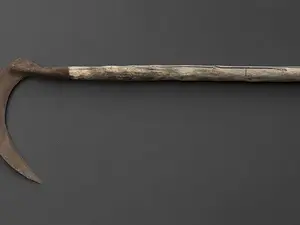
scythe
[sahyth]
an agricultural tool with a long, curving blade that sits at an angle on the handle
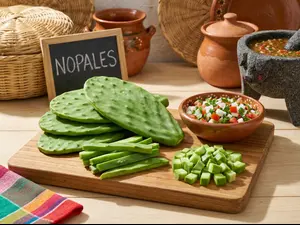
nopales
[noh-pah-les]
young tender stem segments of the prickly pear cactus that are used as food.

compact
[kuhm-pakt, kom-pakt]
joined or packed together; closely and firmly united; dense; solid

treacherous
[trech-er-uhs]
unstable or insecure, as in footing

guileless
[gahyl-lis]
free from guile; sincere; honest; straightforward; frank

sepulchral
[suh-puhl-kruhl]
gloomy; dismal

diffidence
[dif-i-duhns]
modesty or shyness resulting from a lack of self-confidence

myrrh
[mur]
an aromatic resinous exudation from certain plants of the genus Myrrhis, especially M. odorata, a small spiny tree: used for incense, perfume, etc.
disparate
[dis-per-it]
essentially different in kind; not able to be compared