
porphyry
nounany igneous rock containing coarse crystals, as phenocrysts, in a finer-grained groundmass
What Makes This Word Tick
"Porphyry" is one of those words that sounds impressive even if you're not quite sure what it means. It refers to a type of igneous rock containing large-grained crystals, such as feldspar or quartz, dispersed in a fine-grained feldspathic matrix. This rock is often associated with the majestic purples used in imperial Roman architecture.
If Porphyry Were a Person…
Porphyry would surely be that sophisticated friend who appreciates both antiquities and modern art. With a penchant for deep, rich colors, this friend might be a bit of a historian, always ready with a fascinating story about how emperors in Rome fought over the finest stones to display their power.
How This Word Has Changed Over Time
Interestingly, "porphyry" hasn't strayed far from its origins. It derives from the Greek word "porphyra," meaning purple, capturing its association with imperial regalness. Over time, its use has expanded into geological and architectural realms but retains its link to grandeur and nobility.
Old Sayings and Proverbs That Use Porphyry
While porphyry might not star in your classic proverbs, any saying detailing rarity or luxury could be fitting. Think along the lines of, "It's as rare as porphyry," to imply something of exquisite quality and scarcity.
Surprising Facts About Porphyry
In ancient Rome, porphyry was so valuable that only emperors were allowed to have it in their palaces. Imagine having a stone with a VIP access tag! Moreover, porphyry's resilience and hardness make it a perfect candidate for durability, used not only in decorative features but also for pavements and monuments.
Out and About With This Word
Today, you can still see porphyry in many ancient ruins and historic sites throughout Europe. It's like nature's red carpet, rolled out, inviting you to step back in time and touch a piece of history. Keep an eye out for it in the grandeur of cathedrals or the splendor of historical landmarks.
Pop Culture Moments Where Porphyry Was Used
Porphyry might not headline in pop culture the way a celebrity would, but its subtle cameos are there. It's the unsung hero in scenes that demand an awe-inspiring backdrop, often adding a touch of timeless class in historical dramas or documentaries.
The Word in Literature
While porphyry may not be center-stage in famous novels, you'll find it gracing the pages of historical texts and descriptions of ancient wonders. It remains especially relevant in literature detailing architectural marvels or the opulence of bygone empires.
Moments in History with Porphyry
The grand reception halls of Byzantine emperors were paved with porphyry, making any ambassador who dared enter these halls aware of the empire's might and splendor. This stone has seemingly quietly witnessed political decisions that shaped the world.
This Word Around the World
In different languages, the connection to purple often remains, sometimes with fascinating cultural twists. In Italian, it's "porfido," which rolls off the tongue like a fine wine. Across cultures, from Europe to Asia, it represents abundance and endurance.
Where Does It Come From?
The origins of "porphyry" lie in Ancient Greek, as the stone was first named for its distinctive purple color. The Egyptians mined it extensively, and the Romans transported it across the empire, treating it as both a commodity and a statement of power.
How People Misuse This Word
People sometimes confuse "porphyry" with just any old type of rock, when in fact it's all about those contrasting crystals causing quite the geological stir. It's not something you'd just find randomly lying around in your backyard!
Words It's Often Confused With
- Granite: While similar in its crystalline texture, granite doesn't have the imperial vibe of porphyry.
- Marble: Often mistaken due to both being used in deluxe architecture, but marble doesn't have those signature large grains.
Additional Synonyms and Antonyms
Related terms include trachyte and rhyolite, though they lack the royal association. As for antonyms, common sedimentary rocks like limestone and shale capture a more humble geological profile.
Want to Try It Out in a Sentence?
"Walking across the forum paved with porphyry, she imagined herself in the footsteps of emperors, the air heavy with echoes of imperial grandeur."
Explore more words
11 Dumbest Things Middle-Class Americans Waste Money On
See what to cut →

pivotal
[piv-uh-tl]
of vital or critical importance
chthonic
[tha-nik]
of or relating to the deities, spirits, and other beings dwelling under the earth

Little-Known Money Hacks That Could Save You Hundreds
Review the list →

Is Staying With the Same Insurer Costing You More?
Explore Your Options →

censorious
[sen-sawr-ee-uhs]
severely critical; fault-finding; carping

mimic
[mim-ik]
to imitate someone or something, often for amusement

These 10 Money Moves Could Save Seniors Hundreds
Read more →

matter
[m-att-er]
a substance or material; also refers to an issue or topic under consideration.
precarious
[pri-kair-ee-uhs]
dependent on circumstances beyond one's control; uncertain; insecure

redolent
[red-l-uhnt ]
having a pleasant odor; fragrant
ample
[am-pul]
more than enough; abundant

vocal
[v-ok-al]
relating to the voice or speaking; also means openly expressing opinions or ideas.
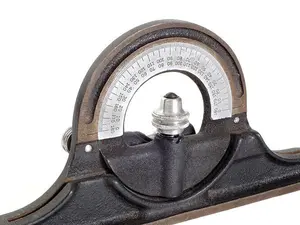
clinometer
[klahy-nom-i-ter]
an instrument used for measuring the angle or elevation of slopes
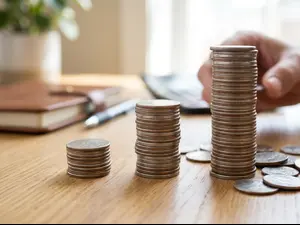
cumulative
[kyoo-myuh-luh-tiv]
increasing or growing by accumulation or successive additions

elegant
[el-i-guhnt]
graceful and stylish in appearance or manner
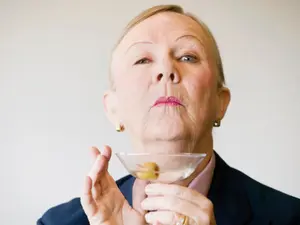
pompous
[pom-puhs]
characterized by an ostentatious display of dignity or importance

wheedle
[weed-l]
to endeavor to influence (a person) by smooth, flattering, or beguiling words or acts
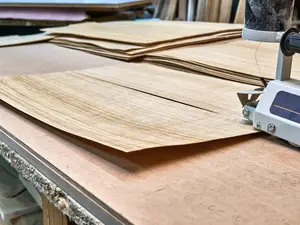
veneer
[vuh-neer]
a thin layer of wood or other material for facing or inlaying wood

tryst
[trist, trahyst]
a private romantic rendezvous between lovers