
respite
nouna delay or cessation for a time, especially of anything distressing or trying; an interval of relief
What Makes This Word Tick
"Respite" is one of those words that feels like a deep breath after a sprint. It speaks of a brief pause, a well-deserved break, a temporary cessation of something challenging. Whether it's work demands or the simple strains of everyday life, having a "respite" implies relief and recovery time, both dearly needed and immensely cherished.
If Respite Were a Person…
If respite were to stroll into a room as a person, they'd be the one removing chaos from a frantic scene with a calm smile. This person would be the hostess of a serene tea party, providing a soft chair by a warm fireplace, inviting you to rest and recharge your mental batteries.
How This Word Has Changed Over Time
The core meaning of "respite" has remained remarkably unchanged over centuries, highlighting its enduring significance in human experiences. While the pressures for which people seek respite have evolved-think of a bustling railway journey replacing a horse-drawn cart-this word still delivers a sense of precious reprieve.
Old Sayings and Proverbs That Use Respite
You might not find "respite" in any ancient proverbs verbatim, but its essence is there. For instance, "A change is as good as a rest," conveys the respite one feels through variations in routine and scenery, even if only for a moment.
Surprising Facts About Respite
Respite is more than just a mental break; it's a concept that's woven into various social systems. Health care, for example, has a "respite care" plan providing temporary relief for caregivers, acknowledging it's not just a nicety but a necessity.
Out and About With This Word
You'll often find "respite" strolling alongside professions demanding prolonged focus-teachers savor summer respites, while actors revel in the respite between long shoots. In leisure, you might encounter it on nature walk brochures, promising a calming escape from urban clamor.
Pop Culture Moments Where Respite Was Used
TV and movies love to highlight the need for "respite," often through dramatic scenes where a harried central character seeks a moment to breathe amid chaos. Think of any thriller where the hero finds a brief hideout to regroup-there's your cinematic respite moment.
The Word in Literature
In literature, "respite" appears like an oasis in a desert, popping up in novels to articulate a fleeting moment of calm. Both classic and contemporary stories embrace it when protagonists must face a crescendo of trials, offering them a short-lived sanctuary.
Moments in History with Respite
Imagine soldiers in World War I during the famous Christmas Truce-an event embodying the very spirit of "respite." Combatants from opposing sides emerged from their trenches, took a pause from fighting, and shared songs and soccer, illuminating the power of a brief break in hostilities.
This Word Around the World
Globally, "respite" takes on various forms through cultural equivalents. In Italian, "sollievo" might convey this sentiment, while the Japanese concept of "honne" vs. "tatemae" subtly includes understanding personal need for rest behind outward appearances.
Where Does It Come From?
Tracing its roots, "respite" arrives from the Latin "respectus," meaning "consideration" or "regard." Over time, it evolved into conveying delay and rest through the Old French "respit," symbolizing the reflection and grace period it offers.
How People Misuse This Word
Folks sometimes mix "respite" with simply "break" or "vacation," not realizing the depth of reprieve it implies. It's more poignant, often involving relief from something taxing rather than just leisure away from routine duties.
Words It's Often Confused With
- Reprieve: While both provide breaks, a "reprieve" often relates to legal contexts or postponemenic trials.
- Rest: Rest can be casual or extensive, but doesn't always denote a pause from difficulty as "respite" does.
- Hiatus: Although similar, a hiatus generally refers to a longer, intentional break from regular activities.
Additional Synonyms and Antonyms
Synonyms include "break," "intermission," and "relief," but also "breather" and "pause." As for antonyms, think "continuation," "pressure," and "toil," which stand in stark contrast to the relaxation "respite" promises.
Want to Try It Out in a Sentence?
After hours of relentless meetings, she finally enjoyed a brief respite with a cup of hot tea on her cozy balcony.
Explore more words

11 Dumbest Things Middle-Class Americans Waste Money On
See what to cut →

convoluted
[kon-vuh-loo-tid]
complicated; intricately involved

aphelion
[uh-fee-lee-uhn]
the point farthest from the sun in the path of an orbiting celestial body (such as a planet)

Little-Known Money Hacks That Could Save You Hundreds
Review the list →

Is Staying With the Same Insurer Costing You More?
Explore Your Options →
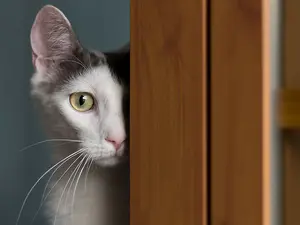
timorous
[tim-er-uhs]
full of fear; fearful

sanctimonious
[sangk-tuh-moh-nee-uhs]
making a show of being morally superior to others

These 10 Money Moves Could Save Seniors Hundreds
Read more →

caustic
[kaw-stik]
able to burn or corrode organic tissue; severely critical or sarcastic
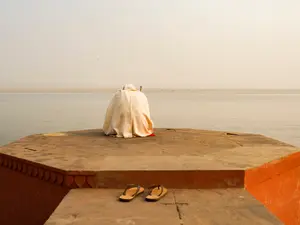
ascetic
[uh-set-ik]
relating to asceticism, the doctrine that one can reach a high spiritual state through the practice of extreme self-denial or self-mortification

burrow
[bur-oh]
to lodge in a burrow

resplendent
[res-plen-dent]
attractive and impressive through being richly colorful or sumptuous
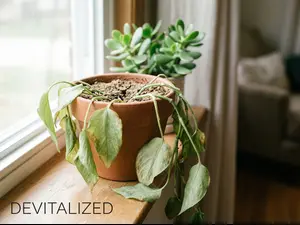
devitalized
[dee-vy-tuh-lyzd]
deprived of strength or vitality

abjure
[ab-joor, ab-jur]
solemnly renounce
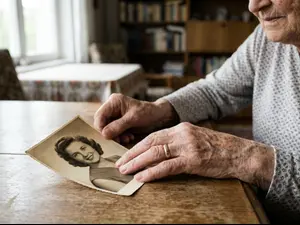
age
[ayj]
the length of time someone or something has existed

utopia
[yoo-toh-pee-uh]
an ideal place or state

quizzical
[kwiz-i-kuhl]
expressing puzzlement or mild amusement
jostle
[jos-uhl]
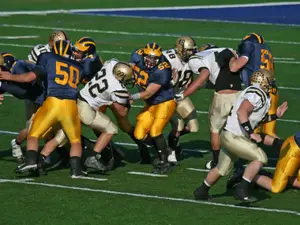
to bump, push, shove, brush against, or elbow roughly or rudely
conterminous
[kuhn-tur-muh-nuhs]
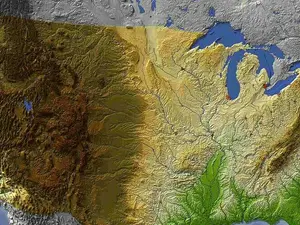
having a common boundary

accretion
[uh-kree-shuhn]
an increase by natural growth or by gradual external addition; growth in size or extent