tory
nounan American colonist who supported the British side during the American Revolution
What Makes This Word Tick
Ah, "Tory." It's a word with some real historical heft. While it might sound playful, it's packed with political significance, especially for those interested in British history. In today's context, it's often used to refer to members or supporters of the Conservative Party in the United Kingdom.
If Tory Were a Person…
If Tory were a person, they'd likely be seen as steadfast, wearing a tweed blazer, and perhaps sipping a cup of tea at a local pub. With deep-rooted values and a strong opinion about tradition, they'd probably start conversations about "the good old days" and the virtues of keeping things as they are.
How This Word Has Changed Over Time
Originally, "tory" was a derogatory term used to describe those who were royalists during the tumultuous English Civil War. Over time, it transformed into a badge of honor for the political faction that supported the monarchy, eventually becoming what we now associate with the conservative political establishment.
Old Sayings and Proverbs That Use Tory
While not quite nestled into any famous old sayings or proverbs, the word "Tory" has nonetheless colored many political slogans and chants over the centuries in Britain, particularly during heated election campaigns.
Surprising Facts About Tory
Did you know that the term "tory" has its roots in the Irish language? It was originally used to describe dispossessed Irish who became bandits, which adds a layer of historical irony to its later political connotations.
Out and About With This Word
You might hear "Tory" at political rallies, debates, or when watching news coverage of British elections. It's also commonly tossed around in pubs where political discussions are regularly on tap.
Pop Culture Moments Where Tory Was Used
The term "Tory" pops up regularly in songs from British bands that weave political commentary into their lyrics. The Jam's "Eton Rifles" and Morrissey's "Irish Blood, English Heart" are just a couple of examples where this word finds its cultural moment.
The Word in Literature
"Tory" often appears in political discourse within classic British literature. Charles Dickens, for example, peppered his works with references to political figures and factions, capturing the zeitgeist of his times.
Moments in History with Tory
The Glorious Revolution of 1688 was a significant moment for Tories, who were staunchly supportive of King James II. When William of Orange ascended the throne, the Tories faced a challenging adaptation period, underscoring their reputation as defenders of monarchy.
This Word Around the World
Outside of the UK, the word "Tory" doesn't carry the same political weight. In Canada, it refers to members of the Conservative Party too, but the significance can be quite different, influenced by their unique history and political landscape.
Where Does It Come From?
The genesis of "tory" is from the middle Irish word "tóraidhe," which was used to describe outlaws or bandits - a nod to its colorful evolution from derision to pride.
How People Misuse This Word
Sometimes people interchangeably use "Tory" with conservative in a more general sense, which can overlook the specific cultural and political nuances that "Tory" carries within the UK and Canadian contexts.
Words It's Often Confused With
- Whig: While both are British political terms, Whigs were traditionally the opposition to Tories.
- Conservative: Often used interchangeably, but Tory has a distinct historical context.
- Toreador: Not that commonly confused, but the similarity in sound could trip someone up.
Additional Synonyms and Antonyms
- Synonyms: Conservative, right-winger
- Antonyms: Whig, progressive, liberal
Want to Try It Out in a Sentence?
"In last night's debate, the veteran Tory managed to sway undecided voters with his compelling arguments on national policy."
Explore more words
11 Dumbest Things Middle-Class Americans Waste Money On
See what to cut →

ethereal
[ih-theer-ee-uhl]
extremely delicate and light in a way that seems too perfect for this world

travail
[truh-veyl]
to toil or exert oneself

Little-Known Money Hacks That Could Save You Hundreds
Review the list →

Is Staying With the Same Insurer Costing You More?
Explore Your Options →

entirety
[en-tahy-er-tee]
the whole of something

fluster
[fluhs-ter]
to put into a state of agitated confusion

These 10 Money Moves Could Save Seniors Hundreds
Read more →

illusory
[il-loo-suh-ree]
based on illusion; not real

pivotal
[piv-uh-tl]
of, relating to, or serving as a pivot

lauded
[law-did]
praised or extolled; spoken highly of

tarnish
[tahr-nish]
to lose or cause to lose luster, especially as a result of exposure to air or moisture

acclivity
[uh-kliv-i-tee]
an upward slope, as of ground; an ascent
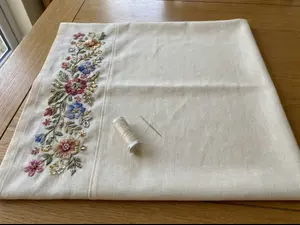
embellishment
[emb-ell-ishm-ent]
a decorative detail or feature added to enhance appearance or effect.

guileless
[gahyl-lis]
free from guile; sincere; honest; straightforward; frank

hesitation
[hez-i-tay-shun]
the act of pausing before acting or speaking

cicerone
[sis-uh-roh-nee]
a guide who gives information about antiquities and places of interest to sightseers

antibiotic
[an-tahy-bahy-ot-ik]
a substance used to kill or inhibit bacteria

subterfuge
[suhb-ter-fyooj]
an artifice or expedient used to evade a rule, escape a consequence, hide something, etc.

grommet
[grom-it]
an eyelet placed in a hole in a sheet or panel to protect or insulate a rope or cable passed through it or to prevent the sheet or panel from being torn