complainer
verba person who frequently expresses dissatisfaction or grievances.
What Makes This Word Tick
A complainer is someone who regularly voices dissatisfaction or irritation. The word suggests repetition—occasional criticism doesn’t qualify, but a steady stream of grievances does. It often carries a negative tone, implying that the person focuses more on problems than solutions.
If Complainer Were a Person…
If complainer were a person, they’d have a sharp eye for flaws and rarely miss an inconvenience. Quick to point out what’s wrong, they might struggle to see what’s going right. Their voice would be persistent, sometimes helpful, sometimes draining.
How This Word Has Changed Over Time
Complainer has consistently referred to someone who voices repeated dissatisfaction. While the behavior it describes can sometimes lead to improvement, the word itself has remained slightly critical in tone. It suggests excess rather than balance.
Old Sayings and Proverbs
Though complainer rarely appears directly in proverbs, traditional wisdom often warns against constant grumbling. Many sayings encourage gratitude and resilience instead of dwelling on minor troubles. The underlying message contrasts complaint with contentment.
Surprising Facts
Not all complaining is negative—sometimes it draws attention to real issues. However, the label complainer usually implies that the dissatisfaction outweighs constructive action. Context often determines whether the word feels fair or dismissive.
Out and About With This Word
You might hear complainer used in workplaces, classrooms, or family conversations. It often surfaces when someone’s tone or frequency of criticism becomes noticeable. The word tends to appear in informal speech rather than formal writing.
Pop Culture Moments Where Complainer Was Used
In comedy and sitcoms, the complainer character often provides humor through exaggerated dissatisfaction. Their running commentary highlights everyday annoyances. The role works because audiences recognize a bit of that tendency in themselves.
The Word in Literature
Authors may use complainer to sketch a personality quickly. It signals attitude and sets the tone for dialogue. The label can shape how readers perceive a character’s reliability and outlook.
Moments in History with Complainer
Throughout history, societies have both valued and criticized those who voice dissatisfaction. While reform can begin with complaint, the term complainer itself often reflects impatience with constant negativity. It captures a tension between critique and contentment.
This Word Around the World
Many languages have equivalents for complainer, typically formed from verbs meaning “to grumble” or “to protest.” Though expressions differ, the idea of habitual dissatisfaction is widely understood.
Where Does It Come From?
Complainer comes from the verb complain, which traces back to Latin roots meaning “to lament.” Over time, it developed the sense of expressing dissatisfaction. Adding the -er ending turns the action into a person defined by it.
How People Misuse This Word
People sometimes label someone a complainer after a single criticism. The term is more accurate when dissatisfaction is frequent and habitual rather than occasional or constructive.
Words It’s Often Confused With
Complainer can be confused with “critic,” though a critic may offer balanced evaluation. It may also be mixed up with “protester,” which suggests organized opposition rather than everyday grumbling.
Additional Synonyms and Antonyms
Additional Synonyms: faultfinder, grouser Additional Antonyms: encourager, admirer
Want to Try It Out in a Sentence?
"He became known as a complainer because he always pointed out what was wrong."
Explore more words

11 Dumbest Things Middle-Class Americans Waste Money On
See what to cut →

grandiose
[grand-dee-ohs]
more complicated or elaborate than necessary; overblown

zephyr
[zef-er]
a gentle, mild breeze

Little-Known Money Hacks That Could Save You Hundreds
Review the list →

Is Staying With the Same Insurer Costing You More?
Explore Your Options →

precondition
[pree-kon-dish-un]
a condition that must be met before something else can happen

solder
[sod-er]
to join closely and intimately

These 10 Money Moves Could Save Seniors Hundreds
Read more →
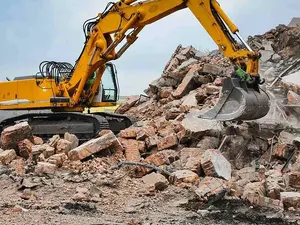
raze
[reyz]
to shave or scrape off

lethargic
[luh-thahr-jik]
affected by lethargy; drowsy; sluggish; apathetic

rarity
[r-ar-ity]
the state or quality of being uncommon or unique.

sullen
[sul-en]
bad-tempered and gloomy
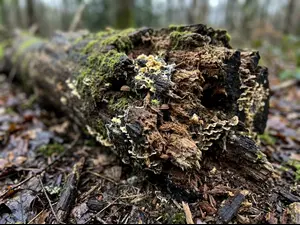
decay
[d-ek-ay]
the process of rotting or breaking down; also refers to a decline in quality or power.

staid
[steyd]
of settled or sedate character; not flighty or capricious

conflagration
[kon-fluh-grey-shuhn]
a destructive fire, usually an extensive one

quintessence
[kwin-tes-uhns]
the pure and concentrated essence of a substance