magnanimous
adjective, adjectivegenerous in forgiving an insult or injury; free from petty resentfulness or vindictiveness high-minded; noble
What Makes This Word Tick
"Magnanimous" is a word that embodies generosity of spirit and nobility in character. It's about rising above petty grievances to show kindness and forgiveness. Often linked to the idea of being 'big-hearted,' it denotes a certain grandeur of selflessness and dignity.
If Magnanimous Were a Person…
Imagine a magnanimous person as someone who never holds grudges and always sees the best in people. They'd be the friend who forgives quickly, helps without expecting anything in return, and inspires others with their positive outlook. They might wear a perpetual smile and give the warmest hugs, encouraging us all to be better versions of ourselves.
How This Word Has Changed Over Time
While "magnanimous" has always centered on great-heartedness, its usage has broadened over the centuries. Initially applied to describe nobility and valor, especially in battle or leadership, today it's often used in everyday contexts for anyone showing generous or forgiving qualities.
Old Sayings and Proverbs That Use Magnanimous
Though not ubiquitous in proverbs, the essence of being magnanimous runs deep in many old sayings. Phrases like "to err is human, to forgive divine" embody a magnanimous spirit, encouraging forgiveness and understanding over retribution.
Surprising Facts About Magnanimous
A fascinating tidbit about "magnanimous" is its Latin roots - "magnus" meaning great and "animus" referring to soul or spirit. It's pretty poetic to think the word literally suggests having a 'great soul.'
Out and About With This Word
You might encounter "magnanimous" when discussing historical figures known for their altruism or in literature describing characters who turn the other cheek. In our everyday lives, it pops up in praise for someone who takes the high road in conflicts or disagreements.
Pop Culture Moments Where Magnanimous Was Used
In many classic films and TV series, characters exhibit magnanimous actions that stand out as memorable turning points. Think of those heartwarming scenes where a character puts aside their own grievances to help a rival in need-truly magnanimous moments.
The Word in Literature
"Magnanimous" finds its way into literature depicting characters of high moral fiber. From Shakespeare's works to modern novels, it describes heroes who transcend personal vendettas for the greater good, casting them in a noble light.
Moments in History with Magnanimous
History is dotted with magnanimous acts, like President Abraham Lincoln's push for reconstruction over punishment after the Civil War. Actions like these capture the spirit of magnanimity, emphasizing healing and unity over division.
This Word Around the World
Interestingly, the concept behind "magnanimous" exists globally, even if the word itself doesn't. In many cultures, there are terms that express this blend of generosity and nobility, showing universal values across humanity.
Where Does It Come From?
Coming to us from Latin, “magnanimous” combines “magnus,” meaning great, and “animus,” meaning mind or spirit. It's about having a grandness of spirit, distinctly tied to noble virtues and often used to describe ideals of honor in the classical world.
How People Misuse This Word
People sometimes use "magnanimous" when they simply mean generous. However, the term carries a connotation of nobility and grandeur, implying not just giving, but doing so in an elevated, almost regal manner.
Words It's Often Confused With
- Generous: Both imply giving, but generous lacks the grandness of spirit.
- Benevolent: While benevolent focuses on kindness, magnanimous adds an element of moral high ground.
- Charitable: Charitable involves kindness in giving, but without the noble yet forgiving aspect.
Additional Synonyms and Antonyms
Synonyms include noble, unselfish, and altruistic; while antonyms encompass petty, mean-spirited, and vindictive.
Want to Try It Out in a Sentence?
"The magnanimous act of forgiving her old rival amazed everyone, reminding us all of the power of letting go and embracing kindness."
Explore more words

11 Dumbest Things Middle-Class Americans Waste Money On
See what to cut →

acquiesce
[ak-wee-es]
to accept something reluctantly but without protest

ineffable
[in-ef-uh-buhl]
incapable of being expressed or described in words; inexpressible

Little-Known Money Hacks That Could Save You Hundreds
Review the list →

Is Staying With the Same Insurer Costing You More?
Explore Your Options →

auriferous
[aw-rif-er-uhs]
yielding or containing gold
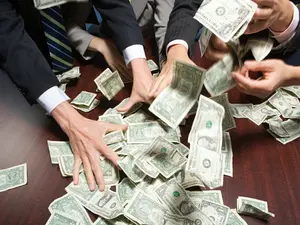
avaricious
[av-uh-rish-uhs]
characterized by avarice; greedy; covetous

These 10 Money Moves Could Save Seniors Hundreds
Read more →

listless
[list-lis]
having or showing little or no interest in anything; languid; spiritless; indifferent

petulant
[pech-uh-luhnt]
moved to or showing sudden, impatient irritation, especially over some trifling annoyance

ubuntu
[oo-boon-too]
humanity or fellow feeling; kindness
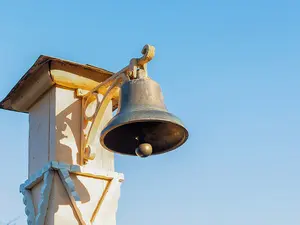
tocsin
[tok-sin]
a bell used to sound an alarm

predilection
[pred-l-ek-shuhn]
a tendency to think favorably of something in particular; partiality; preference

benevolent
[buh-nev-uh-luhnt]
showing kindness and goodwill

insolent
[in-suh-luhnt]
impudent, contemptuous

insouciant
[in-soo-see-uhnt]
free from concern, worry, or anxiety; carefree; nonchalant

lethargic
[luh-thahr-jik]
affected by lethargy; drowsy; sluggish; apathetic

versatile
[vur-suh-tl]
capable of or adapted for turning easily from one to another of various tasks, fields of endeavor, etc.

commensurate
[kuh-men-ser-it]
corresponding in amount, magnitude, or degree

loquaciousness
[l-okw-ak-iousn-ess]
the quality of being very talkative or prone to lengthy conversation.