diffidence
nounmodesty or shyness resulting from a lack of self-confidence
What Makes This Word Tick
Diffidence is like that gentle whisper in the corner of your mind that nudges you to be a little cautious. It's a lovely trait of modesty and self-restraint, not too eager to jump into the spotlight. It's the yin to confidence's yang-quiet, careful, and composed.
If Diffidence Were a Person…
Picture a person who always attends parties but prefers to hang back with a warm smile rather than grab the karaoke mic. They're the thoughtful ones, often found listening intently and nodding wisely in conversations. They provide a calming presence while quietly radiating humility.
How This Word Has Changed Over Time
Originally, diffidence was closely tied to distrust or lack of faith-in oneself, as well as in others. Over time, its focus shifted towards self-doubt or shyness, softening into a more introspective meaning.
Old Sayings and Proverbs That Use Diffidence
While direct proverbs might not jump out, the spirit of diffidence appears in sayings like "the meek shall inherit the earth" and "actions speak louder than words," highlighting the strength found in subtlety and understatement.
Surprising Facts About Diffidence
Despite its tentative nature, diffidence has inspired great leaders to listen more and create inclusive spaces. It's a trait revered in various cultures as a sign of wisdom, bringing balance to otherwise assertive personality traits.
Out and About With This Word
You'll spot diffidence in nature, like the shy violet or the reticent woodland fawn, quietly nestling away from the busyness of life. It's also in the gentle handshake of someone who'd rather remain in the background.
Pop Culture Moments Where Diffidence Was Used
Fictional characters like Jane Austen's Fanny Price or even Piglet from "Winnie the Pooh" embody diffidence. They show us that strength and bravery can stem from quiet contemplation and avoiding the limelight.
The Word in Literature
Diffidence finds its niche in classic literature-particularly in 19th-century novels where themes of modesty, humility, and introspection were woven into narratives. It's a word that would nestle comfortably within the pages of a Henry James or a George Eliot novel.
Moments in History with Diffidence
Think of Lincoln's Gettysburg Address-full of humility and respect-or moments in history where leaders chose to reflect quietly rather than speak forcefully. Diffidence, here, is the humility before and after the grand declarations.
This Word Around the World
Diffidence wears a different cloak in Japan as part of the cultural concept of "kenson," emphasizing humility and downplaying one's abilities. In Swedish culture, the concept of "jantelagen" promotes modesty and discourages standing out.
Where Does It Come From?
The roots of diffidence lie in the Latin “diffidere,” meaning literally to mistrust. Over the centuries, this morphed into a gentler term, focusing inwardly to describe a lack of self-assurance rather than widespread distrust.
How People Misuse This Word
Diffidence often gets mixed up with weakness or indecisiveness, which misses the nuance of its gentle self-reflection and modesty. It's not about being unsure; it's about choosing a softer form of engagement.
Words It's Often Confused With
- Timidity: Unlike diffidence, which is internally focused, timidity often reflects an external apprehension.
- Shyness: Shyness might stem from fear of social judgment, whereas diffidence holds a quiet modesty.
- Insecurity: Insecurity can be broader and more pervasive, while diffidence specifically leans toward modesty.
Additional Synonyms and Antonyms
Synonyms for diffidence might include humility, modesty, or reserve. Antonyms could be boldness, confidence, or assertiveness.
Want to Try It Out in a Sentence?
At the meeting, her diffidence spoke volumes as she humbly deferred to her more outspoken colleagues, yet her insights, when shared, were profound and thoughtful.
Explore more words
11 Dumbest Things Middle-Class Americans Waste Money On
See what to cut →

cheap
[ch-eap]
low in cost or quality; also used to describe someone lacking generosity or value.

hagiography
[hag-ee-og-ruh-fee]
a biography that treats the person with excessive or undue admiration

Little-Known Money Hacks That Could Save You Hundreds
Review the list →

Is Staying With the Same Insurer Costing You More?
Explore Your Options →

innocuous
[ih-nok-yoo-uhs]
not likely to irritate or offend; inoffensive

vocal
[v-ok-al]
relating to the voice or speaking; also means openly expressing opinions or ideas.

These 10 Money Moves Could Save Seniors Hundreds
Read more →
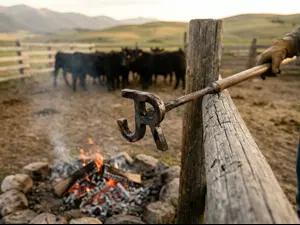
brand
[brand]
a type of product manufactured by a company; to mark with a branding iron

prolific
[pruh-lif-ik]
producing in large quantities or with great frequency; highly productive

bamboozle
[bam-boo-zuhl]
to deceive or get the better of (someone) by trickery, flattery, or the like

galvanize
[gal-vuh-nahyz]
to startle into sudden activity; stimulate

aloof
[uh-loof]
reserved or reticent; indifferent; disinterested

abeyance
[uh-bey-uhns]
temporary inactivity, cessation, or suspension

peregrinate
[per-i-gruh-neyt]
to travel or journey, especially to walk on foot

bestow
[b-est-ow]
to present or grant something as a gift or honor.
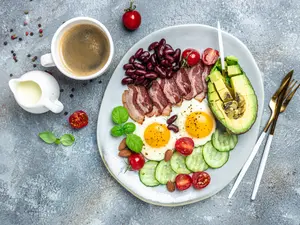
nourish
[nur-ish]
to sustain with food or nutriment; supply with what is necessary for life, health, and growth

eschew
[es-choo]
to abstain or keep away from; shun; avoid

prothalamion
[proh-thuh-ley-mee-on]
a song or poem celebrating an upcoming wedding
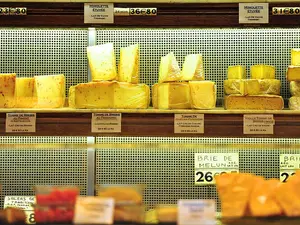
cheesemonger
[cheez-muhng-ger, cheez‐mong‐ger]
a merchant who sells cheese and other dairy products