
embolden
verb
to give someone the courage or confidence to act
What Makes This Word Tick
Embolden captures a change in willingness: the moment someone stops holding back and decides to attempt something. A beginner may already know the steps of a dance, yet need a successful rehearsal to embolden them to perform in front of an audience.
If Embolden Were a Person...
Embolden would be the friend who turns a nervous pause into a first attempt. They would stand beside a hesitant singer at an open rehearsal, offer to sing the opening line together, and then let the newcomer continue alone.
How This Word Has Changed Over Time
Earlier English had the shorter forms embold and enbold before the longer embolden became established. The modern form retains the older connection between boldness and overcoming hesitation, even when the challenge is as ordinary as asking a question in a crowded room.
Old Sayings and Proverbs
"Nothing ventured, nothing gained" does not contain embolden, but it can help someone find the courage to attempt an uncertain task. The saying supplies a reason to accept a risk; to embolden someone is to strengthen their willingness to take that first step.
Surprising Facts
Embolden can put either the source of confidence or the newly confident person at the center of a sentence. "The warm reception emboldened the speaker" and "The speaker was emboldened by the warm reception" describe the same change while shifting the attention from cause to recipient.
Out and About With This Word
A newcomer to a community choir might feel ready to audition after an encouraging practice with the group. In a classroom, seeing another pupil ask an unexpected question can embolden a quiet classmate to raise a hand and contribute an idea of their own.
Pop Culture Moments Where Embolden Was Used
It would fit naturally alongside Moana, where Gramma Tala's support helps her granddaughter trust her calling to the ocean. It also suits Finding Nemo, where Dory's optimism helps the anxious Marlin continue his search across unfamiliar waters. In both cases, embolden describes the effect of another character's support on someone facing a daunting journey.
The Word in Literature
In L. Frank Baum's The Wonderful Wizard of Oz, the Cowardly Lion believes he needs the Wizard to give him courage, although his adventures already reveal brave behavior. The Wizard's reassurance helps embolden him by changing what he believes about his own abilities rather than supplying a new physical strength.
Moments in History with Embolden
After disappointing glider tests, the Wright brothers used wind-tunnel experiments in 1901 to collect their own aerodynamic measurements and improve their next aircraft. Their return to Kitty Hawk in 1902 offers a concrete example of how better evidence can embolden experimenters to try again after a setback.
This Word Around the World
German uses ermutigen for encouraging or heartening someone, placing it close to the confidence-building work of embolden. In both languages, this can describe one person helping another become willing to attempt something, rather than carrying out the task on that person's behalf.
Where Does It Come From?
Embolden combines the prefix em-, the adjective bold, and the verb-forming ending -en. Bold comes from Old English beald, associated with bravery and confidence, so the construction makes a quality into a change that someone or something can bring about.
How People Misuse This Word
Embolden does not automatically approve of the action that follows: confidence can lead to a thoughtful attempt or an ill-judged one. A successful shortcut might embolden someone to skip an important rehearsal, so the word identifies the increased daring without promising that the decision is wise.
Words It's Often Confused With
Reassure usually reduces worry, while embolden emphasizes increased courage to act; reassurance may produce that courage, but it need not do so. Enable concerns making an action possible, whereas embolden concerns making someone more willing to attempt it, even when the practical opportunity already exists.
Additional Synonyms and Antonyms
Additional synonyms: ["fortify", "steel", "bolster", "nerve"] Additional antonyms: ["unnerve", "daunt", "cow", "dishearten"]
Want to Try It Out in a Sentence?
A small success can embolden a beginner to try a more difficult piece.
Explore more words

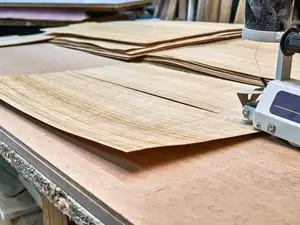
veneer
[vuh-neer]
a thin layer of wood or other material for facing or inlaying wood

funny
[f-unny]
causing amusement or laughter; also used to describe something strange or unusual.



dignified
[dig-nuh-fahyd]
characterized or marked by dignity of aspect or manner; stately; decorous
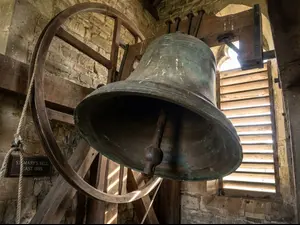
bell
[bel]
a hollow object that makes a ringing sound when struck


disquieting
[dis-kwahy-i-ting]
causing anxiety or uneasiness; disturbing

abeyance
[uh-bey-uhns]
temporary inactivity, cessation, or suspension

noetic
[noh-et-ik]
of or relating to the mind

lethargic
[luh-thahr-jik]
affected by lethargy; drowsy; sluggish; apathetic

soliloquy
[suh-lil-uh-kwee]
an utterance or discourse by a person who is talking to himself or herself or is disregardful of or oblivious to any hearers present

aggrandize
[ag-ruhn-dahyz]
increase the power, status, or wealth of

zephyr
[zef-er]
a gentle, mild breeze

brick
[br-ik]
a rectangular block of clay or similar material used in building; also refers to reliability.

petulant
[pech-uh-luhnt]
moved to or showing sudden, impatient irritation, especially over some trifling annoyance

gallop
[gal-uhp]
to run rapidly by leaps, as a horse; go at a gallop

regale
[ri-geyl]
to entertain lavishly or agreeably; to delight

afflicted
[uh-flik-tid]
suffering from pain, distress, or hardship