
gallop
verb, verbto run rapidly by leaps, as a horse; go at a gallop to ride a horse at a gallop; ride at full speed
What Makes This Word Tick
Ah, "gallop"! It evokes the exhilarating speed and rhythm of a horse in full stride. This word captures the essence of swift movement, often with a sense of freedom and excitement. It's not just about the speed, but also the cadence of a four-beat gait familiar to anyone who loves horse racing or western films.
If Gallop Were a Person…
If gallop were a person, they'd be that friend who's always on the go, full of energy and ready for the next adventure. This lively character might be a bit impulsive, but their enthusiasm is infectious, always dragging you along on a brisk and thrilling ride.
How This Word Has Changed Over Time
Originally rooted in Middle English and possibly influenced by Old Norse, “gallop” has maintained a sense of rapidity and spirited movement. Over time, it's expanded beyond equestrian contexts to describe any fast-paced action or movement in both literal and metaphorical senses.
Old Sayings and Proverbs That Use Gallop
While not commonly found in English proverbs, the essence of gallop is embedded in phrases like "riding roughshod" - a nod to both speed and domination. It's all about that fast-paced, sometimes reckless, approach to life.
Surprising Facts About Gallop
Did you know that a gallop is the fastest horse gait, reaching speeds up to 55 miles per hour in some breeds? This word also lends its name to the "gallop poll," albeit unrelated to horses, perhaps evoking the swift gathering of public opinion.
Out and About With This Word
In everyday language, “gallop” might describe a brisk walk that turns into a run or the rapid progress of time. It's that sense of momentum we're all chasing, whether it's catching a bus or finishing projects at work.
Pop Culture Moments Where Gallop Was Used
Who could forget scenes from movies like “Seabiscuit” or “The Black Stallion” where horses gallop heroically towards the finish line? The word evokes cinematic excitement and the classic thrill of underdog victories.
The Word in Literature
Gallop appears in literature primarily to set a scene of urgency or describe an impetuous character. It's a favorite in adventure novels where quick pace and action rule, swirling dust and pounding hooves epitomize the thrill of the chase.
Moments in History with Gallop
The Charge of the Light Brigade during the Crimean War is a historical moment that perfectly embodies "gallop." The fearless cavalry charge into the valley of death captured the word's energy and drama, albeit with tragic results.
This Word Around the World
In Spanish, “galopar” carries the same swift meaning, while in French, “galoper” conveys both literal and metaphorical speed. Every culture with a tradition of horse riding has a local variation capturing the exhilaration of galloping.
Where Does It Come From?
Tracing back to Middle English "galopen," likely derived from Old French "galoper" and of Germanic origin, the ancestry of "gallop" is as dynamic as the motion it describes, hinting at a shared European passion for equestrian pursuits.
How People Misuse This Word
People sometimes confuse "gallop" with simple running, when it specifically refers to a type of gait used by horses - a small but significant equestrian distinction!
Words It's Often Confused With
- Canter: A slower, three-beat gait of a horse; less rapid than a gallop.
- Trot: A two-beat gait, significantly slower and less smooth than a gallop.
- Run: A general term for rapid movement that lacks the specific equestrian connotation of "gallop."
Additional Synonyms and Antonyms
Synonyms might include dash, sprint, or race - words that capture rapid movement. Antonyms would be dawdle, amble, or stroll, all suggesting a leisurely pace quite contrary to a gallop.
Want to Try It Out in a Sentence?
"With the wind in her hair, she felt a surge of freedom as she urged her horse into a gallop across the open field."
Explore more words

11 Dumbest Things Middle-Class Americans Waste Money On
See what to cut →

fictive
[fik-tiv]
fictitious; imaginary

oracle
[awr-uh-kuhl]
a priest or priestess acting as a medium through whom advice or prophecy was sought from the gods in classical antiquity

Little-Known Money Hacks That Could Save You Hundreds
Review the list →

Is Staying With the Same Insurer Costing You More?
Explore Your Options →

loquaciousness
[l-okw-ak-iousn-ess]
the quality of being very talkative or prone to lengthy conversation.

park
[pahrk]
a piece of land maintained by a city or town as a place of beauty or play.

These 10 Money Moves Could Save Seniors Hundreds
Read more →

vocational
[voh-key-shuh-nl]
of, relating to, or connected with a vocation or occupation
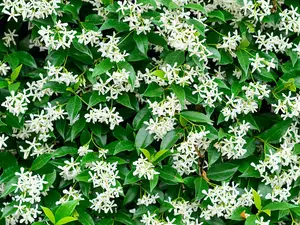
ambrosial
[am-broh-zhul]
exceptionally pleasing to taste or smell

eschew
[es-choo]
to abstain or keep away from; shun; avoid

descry
[dih-skrahy]
to see (something unclear or distant) by looking carefully; discern; espy

enervated
[en-er-vey-tid]
without vigor, force, or strength; languid
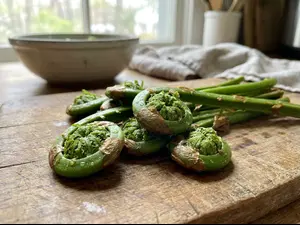
fiddlehead
[fid-l-hed]
one of the young unfurling fronds of certain ferns that are often eaten as greens.

veracity
[vuh-ras-i-tee]
habitual observance of truth in speech or statement; truthfulness

prate
[prayt]
to talk foolishly or at length about trivial matters