
cadenza
nounan elaborate flourish or showy solo passage, sometimes improvised, introduced near the end of an aria or a movement of a concerto
What Makes This Word Tick
The word "cadenza" might sound like an exotic dance, but in the world of music, it's that delightful moment when a soloist gets to shine. Imagine a pianist taking flight, improvising a melody that captures the audience's heart just before the orchestra sweeps back in. It's all about showcasing talent and adding a personal flourish to a piece.
If Cadenza Were a Person…
Cadenza would surely be the life of the party, effortlessly charming everyone with their spontaneous stories and intricate dance moves. Picture someone who steps into the spotlight and leaves you wondering how they weave magic out of thin air-a true head-turner wherever they go.
How This Word Has Changed Over Time
Originally from the Italian word for "falling," cadenza has transitioned from a literal sense to its current musical context. Over the centuries, it has evolved from a general term for cadence to a specialized touch of flair in concertos where the performer takes the reins.
Old Sayings and Proverbs That Use Cadenza
While cadenza hasn't quite reached the proverb hall of fame, its essence lives on in the phrase "steal the show," perfectly encapsulating the soloist's triumphant moment in the limelight.
Surprising Facts About Cadenza
Ever heard of a planned improvisation? Cadenzas are often strategic moments designed to sound free and spontaneous, but some composers write them out, challenging performers to both adhere to and break free from scripted creativity. Mozart was famous for this mix of precision and whimsy in his compositions.
Out and About With This Word
Music aficionados might encounter cadenza in concert halls during riveting performances of classical concertos. It's where you'll witness a flutist, violinist, or cellist displaying their virtuosity-sometimes even making the audience hold their breath!
Pop Culture Moments Where Cadenza Was Used
While you won't find cadenza headlining a blockbuster, its spirit of improv dance-offs and solo performances has sneaked into films, especially those with grand musical numbers like "Amadeus" or animated moments like Disney's "Fantasia."
The Word in Literature
In literature, cadenza might not be a household name, but its essence can be found in scenes of dramatic reveal or characters taking an imaginative leap. It aligns well with novels that have a strong musical component, enriching the reader's sensory experience.
Moments in History with Cadenza
Consider the grand stages of the 18th and 19th centuries, with composers like Beethoven or Chopin pushing musical boundaries. A moment fitting of cadenza might be Beethoven's display of unexpected creativity during his many public performances, capturing the zeitgeist of musical evolution.
This Word Around the World
While its essence remains consistent, "cadenza" in other cultures can signify a decisive moment, much like a storyteller striking an emotional chord in a tale. In Spanish, 'cadencia' refers to rhythm or cadence, rooting the word in its melodic origins.
Where Does It Come From?
Tracing back to Italy, cadenza springs from the Latin "cadere," meaning to fall. In music, it implies a rhythmic closure before a new beginning, much like a sentence or thought reaching its peak before a new one begins.
How People Misuse This Word
Some might mistakenly use "cadenza" to refer to any musical solo, when in traditional terms, it specifically describes the unaccompanied solo flourish in a concerto.
Words It's Often Confused With
- Cadence: While related, "cadence" refers to the rhythmic flow or pattern rather than the solo performance aspect of "cadenza."
- Riff: A riff is a short, repeated musical phrase, often found in jazz or rock, not the extended solo section that defines a cadenza.
- Improvisation: While a cadenza can involve improvisation, the two are not synonymous, as improvisation isn't restricted to classical cadenzas.
Additional Synonyms and Antonyms
Synonyms could include "solo" and "improvisation," though neither fully captures the precise moment a cadenza provides. As for antonyms, "accompaniment" and "ensemble" describe the absence of solitary musical exploration.
Want to Try It Out in a Sentence?
As the final chords of the concerto resonated through the hall, the pianist's cadenza soared, each note an intricate thread woven into the evening's tapestry.
Explore more words
11 Dumbest Things Middle-Class Americans Waste Money On
See what to cut →
enlarge
[en-larj]
to make something bigger or more extensive

sordid
[sawr-did]
morally ignoble or base; vile

Little-Known Money Hacks That Could Save You Hundreds
Review the list →

Is Staying With the Same Insurer Costing You More?
Explore Your Options →

destitute
[des-ti-toot]
lacking the basic necessities of life
sneaky
[snek-ee]
behaving in a secretive or deceitful way

These 10 Money Moves Could Save Seniors Hundreds
Read more →

balif
[bay-lif]
a legal officer to whom some degree of authority is given
conspicuous
[kuhn-spik-yoo-uhs]
attracting special attention, as by outstanding qualities or eccentricities
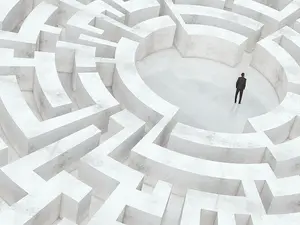
penetralia
[pen-i-trey-lee-uh]
the innermost parts or recesses of a place or thing
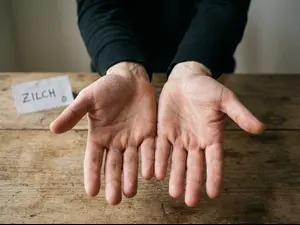
zilch
[zilch]
nothing; zero.

yeoman
[yoh-muhn]
performed in a workmanlike, valiant, and useful manner, especially in situations involving a great deal of effort
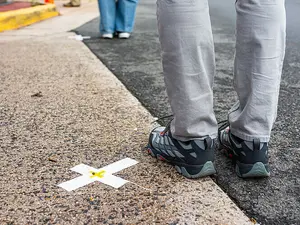
penultimate
[pi-nuhl-tuh-mit]
next to the last

piquant
[pee-kuhnt]
agreeably pungent or sharp in taste or flavor; pleasantly biting or tart
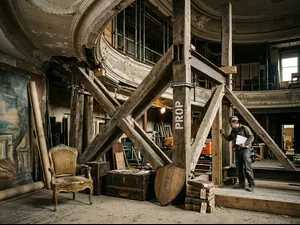
prop
[pr-op]
an object used for support or as part of a performance; also refers to giving assistance or reinforcement.