
caseous
adjective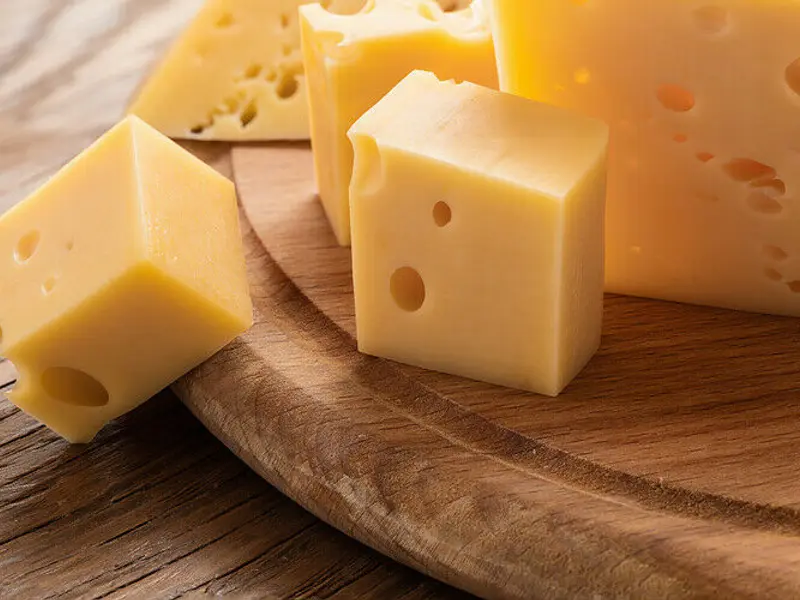
cheeselike, especially in appearance, smell, or consistency
What Makes This Word Tick
"Caseous" sneaks into conversations as a fancy adjective related to a certain texture or appearance. It describes something that resembles cheese, particularly in texture, color, or appearance. Often used in medical or scientific contexts, it can make discussions of health conditions sound like a stroll through a cheese shop, though the setting might be less appetizing.
If Caseous Were a Person…
Picture caseous as a character at a dinner party, wearing a slightly outdated but well-loved cheese-patterned sweater. They'd be fascinated by the sciences, probably spending most of the evening talking about the peculiar ways nature sometimes mimics our favorite dairy products. A little quirky, but with a comfortingly familiar undertone.
How This Word Has Changed Over Time
"Caseous" has remained relatively untouched by time, steadfastly sticking to its roots related to cheese-like attributes. Originating from the Latin "caseus," meaning cheese, its usage remains largely in the medical field to describe textures that bear an unfortunate resemblance to cheese.
Old Sayings and Proverbs That Use Caseous
Surprisingly, caseous doesn't feature prominently in any well-known sayings or proverbs. It's a specialist word, best left in the pages of medical textbooks or whispered among cheese aficionados during a late-night charcuterie board assembly.
Surprising Facts About Caseous
While "caseous" sounds like it belongs in the dairy aisle, its most common usage is in medicine, describing certain types of tissue necrosis. It's one of those words that sounds delightful until you realize the context is far from your favorite brie or cheddar.
Out and About With This Word
You might overhear "caseous" whispered among professionals in white coats at hospitals or in the depths of pathology books. This word stays largely within the corridors of medical facilities, seldom making an appearance at the local grocery store unless someone's being cheeky about their cheese purchase.
Pop Culture Moments Where Caseous Was Used
Sadly, "caseous" hasn't quite made it into pop culture mainstream. It's still waiting for its big Hollywood moment, perhaps in a medical drama where a weary doctor explains a complex condition with the term "caseous necrosis."
The Word in Literature
"Caseous" would feel right at home in medical journals and textbooks. It's not a word you'd typically find nestled in a novel, unless the story took a highly anatomical turn. It's a term that brings a clinical clearness, not found within the whims of fiction unless it's aiming for accuracy.
Moments in History with Caseous
The term "caseous" found its role in history predominantly within the scientific community. When medical professionals were describing diseases like tuberculosis, "caseous necrosis" became a descriptor, rooting the word firmly in the echoes of medical history.
This Word Around the World
Globally, "caseous" might find itself part of the lingo in medical schools wherever Latin-based terminologies seep into training. It's a universal sound to the ears of doctors and science enthusiasts, even if it causes the average person to scratch their head.
Where Does It Come From?
"Caseous" draws its lineage from the Latin "caseus," meaning cheese. Over centuries, it's found a niche application in fields far away from the typical cheese tray, but its roots remain unmistakably dairy-inspired.
How People Misuse This Word
Sometimes, the uninitiated might mistakenly use "caseous" to describe anything cheese-related, perhaps calling a particularly cheesy pizza "caseous." However, unless you're talking about textures akin to certain medical conditions, you might be veering off course.
Words It's Often Confused With
- Cheesecake: Not quite the same; one's a dessert, and the other describes a texture.
- Casein: A milk protein, but it's easy to mix them up given their dairy roots.
- Casual: A slip of the tongue might land you here, but this couldn't be further from the truth.
Additional Synonyms and Antonyms
Synonyms include "cheese-like" or "curdled," while antonyms would be "smooth" or "clear," all context-dependent, naturally.
Want to Try It Out in a Sentence?
The scientist noted the caseous appearance of the tissue sample, resembling a somewhat unappetizing cheese.
Explore more words

isthmus
[is-muhs]
a narrow strip of land, bordered on both sides by water, connecting two larger bodies of land

emulate
[em-yuh-leyt]
to try to equal or excel; imitate with effort to equal or surpass



sanguine
[sang-gwin]
optimistic or positive, especially in a bad or difficult situation

rarity
[r-ar-ity]
the state or quality of being uncommon or unique.

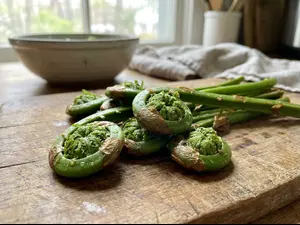
fiddlehead
[fid-l-hed]
one of the young unfurling fronds of certain ferns that are often eaten as greens.

hypocritical
[hip-uh-krit-i-kuhl]
behaving in a way that contradicts one's stated beliefs or values

cybersquatting
[sahy-ber-skwot-ing]
the registration of a commercially valuable internet domain name, as a trademark, with the intention of selling it or profiting from its use
sanguine
[sang-gwin]
cheerfully optimistic, hopeful, or confident
feckless
[fek-lis]
lacking initiative or strength of character; irresponsible

guileless
[gahyl-lis]
free from guile; sincere; honest; straightforward; frank

meretricious
[mer-i-trish-uhs]
alluring by a show of flashy or vulgar attractions; tawdry

craving
[kr-av-ing]
a strong desire or longing for something, often food or drink.

rapt
[rapt]
deeply engrossed or absorbed

sabotage
[sab-uh-tahzh]
any underhand interference with production, work, etc., in a plant, factory, etc., as by enemy agents during wartime or by employees during a trade dispute

impetus
[im-pi-tuhs]
a moving force; impulse; stimulus

commensurate
[kuh-men-ser-it]
corresponding in amount, magnitude, or degree