
abeyance
nountemporary inactivity, cessation, or suspension
What Makes This Word Tick
"Abeyance" might sound like a fancy term from a legal drama, but it's actually quite approachable. This versatile word is used when something is temporarily paused or set aside. Think of it as a way to put things on life's back burner until you're ready for them.
If Abeyance Were a Person…
If abeyance were a person, it would be that patient friend who never rushes you, always willing to wait until you're ready. They're not pushy or impatient-they understand that sometimes, you just need to take a pause.
How This Word Has Changed Over Time
Originally spicing up 16th-century legal jargon, "abeyance" hasn't changed much in spelling or meaning. Its application has broadened, slipping into everyday parlance, though it retains its formal undertones.
Old Sayings and Proverbs That Use Abeyance
While "abeyance" isn't the darling of proverbs, its spirit lives on in sayings like "on hold" or "in limbo." Not as catchy as a Shakespearean phrase, but it gets the job done in a pinch!
Surprising Facts About Abeyance
Did you know "abeyance" started as a term related to inheritance in English common law? Its legal roots make it perfect for instances where matters are unresolved.
Out and About With This Word
You might overhear "abeyance" in an attorney's office or a board meeting, but it's just as useful at your local book club when discussing unfinished projects or decisions.
Pop Culture Moments Where Abeyance Was Used
While "abeyance" hasn't headlined in a blockbuster, it is perfect for suspenseful TV plotlines where mysteries are momentarily shelved only to reappear dramatically.
The Word in Literature
"Abeyance" often appears in legal and historical novels, where the fate of an estate or a character hangs in the balance. A delightful companion for those who relish intrigue and tension.
Moments in History with Abeyance
The fate of entire nations has felt like it was in abeyance during tense negotiations, such as the Cuban Missile Crisis, where decisions were staggeringly uncertain and world outcomes precariously paused.
This Word Around the World
In French, "suspens" captures the essence of "abeyance," conveying the same sense of a temporary cessation. Across languages, the concept remains universally understood and palpably tense.
Where Does It Come From?
Its roots go deep into Middle French with "abeyance" and even further back to Latin's "baer," meaning "to gape" or "to crave," denoting an expectation or waiting.
How People Misuse This Word
Some folks might think "abeyance" means something's been canceled or forgotten. Nope! It's merely paused, like a TV show during a snack break-ready to resume.
Words It's Often Confused With
- Suspension: Both imply a pause, but "suspension" often includes a hanging or delay element, while "abeyance" suggests a temporary set-aside.
- Inactivity: "Abeyance" implies a decision or action will resume, but "inactivity" means something's on long-term hold with no clear future.
Additional Synonyms and Antonyms
Synonyms include "hiatus," "dormancy," and "intermission." For antonyms, think "continuation," "operation," or "action."
Want to Try It Out in a Sentence?
"After the surprise plot twist, the book club agreed to put their discussion about the ending in abeyance until everyone could finish the novel."
Explore more words
11 Dumbest Things Middle-Class Americans Waste Money On
See what to cut →

portend
[por-tend]
to signify or be a warning of future events

cache
[kash]
a hiding place, especially one in the ground, for ammunition, food, treasures, etc.
Little-Known Money Hacks That Could Save You Hundreds
Review the list →

Is Staying With the Same Insurer Costing You More?
Explore Your Options →

foment
[foh-ment]
to instigate or foster (discord, rebellion, etc.); promote the growth or development of
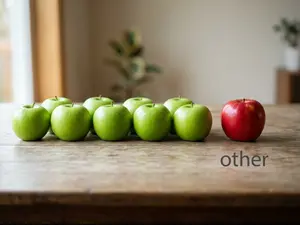
other
[uhth-er]
not the same

These 10 Money Moves Could Save Seniors Hundreds
Read more →

quintessence
[kwin-tes-uhns]
the pure and concentrated essence of a substance
provident
[prov-i-duhnt]
having or showing foresight; providing carefully for the future

surmise
[ser-mahyz]
to think or infer without certain or strong evidence; conjecture; guess

apotheosis
[uh-poth-ee-oh-sis]
the elevation or exaltation of a person to the rank of a god

implement
[im-ple-ent]
an instrument, utensil, tool

piquant
[pee-kuhnt]
agreeably pungent or sharp in taste or flavor; pleasantly biting or tart

censorious
[sen-sawr-ee-uhs]
severely critical; fault-finding; carping

obtuse
[uhb-toos]
not quick or alert in perception, feeling, or intellect; not sensitive or observant; dull

cosmopolitan
[koz-muh-pol-i-tn]
free from local, provincial, or national ideas, prejudices, or attachments; at home all over the world

serve
[surv]
to perform duties or provide services for others

woo
[woo]
to seek the favor, affection, or love of, especially with a view to marriage

arabesque
[ar-uh-besk]
fine arts; a sinuous, spiraling, undulating, or serpentine line or linear motif