gargantuan
adjectivegigantic; enormous; colossal
What Makes This Word Tick
"Gargantuan" is one of those words that sounds just as big as what it describes. It's a synonym for something enormous, often used when you want to add a touch of flair and emphasize the sheer scale of whatever you're talking about.
If Gargantuan Were a Person…
Imagine a well-meaning giant who always offers to help at picnics by lifting the entire table instead of a single sandwich. Gargantuan would be someone who loves making an entrance and never does anything halfway.
How This Word Has Changed Over Time
Originally rooted in literature, "gargantuan" comes from the 16th-century French literature character Gargantua, a giant with a massive appetite. Over time, it escaped the pages and took on a life of its own as a commonly used adjective to describe anything extraordinarily large.
Old Sayings and Proverbs That Use Gargantuan
While there aren't any classic proverbs using "gargantuan," you might hear someone say, "That dinner was gargantuan!" when referring to a meal that could feed a small army. It's a modern word for expressing a very old sentiment-bigger is sometimes better.
Surprising Facts About Gargantuan
Did you know that "gargantuan" is a word often used in comedic contexts? Its roots in a famously satirical series of novels make it perfect for tongue-in-cheek exaggeration. It's a favorite among the theatrical crowd for its dramatic flair.
Out and About With This Word
You might hear this word at a car dealership where the sales pitch includes "gargantuan savings!" Alternatively, it pops up in travel shows describing landmarks or natural wonders that seem impossibly vast.
Pop Culture Moments Where Gargantuan Was Used
"Gargantuan" makes frequent appearances in movies featuring monsters and kaiju. It's almost a prerequisite to describe Godzilla in terms of gargantuan proportions-and rightly so!
The Word in Literature
"Gargantuan" still holds a special place in literary circles. It's reminiscent of epic tales and grand adventures, fitting right into the worlds imagined by authors like Jules Verne or J.R.R. Tolkien, where the landscapes and creatures tend to be larger than life.
Moments in History with Gargantuan
The launch of the Titanic was a gargantuan event in the early 20th century, not just because of the ship's size but also due to the monumental human effort and resources involved in its creation. The word captures both the physical scale and the ambitious spirit of the time.
This Word Around the World
In France, the word "gargantuesque" is used similarly, owing to its local literary origins. Other languages might use words like "gigantesque" in Spanish, emphasizing that giants are a universal concept transcending cultures and languages.
Where Does It Come From?
"Gargantuan" derives from the character Gargantua, created by François Rabelais in his series of novels in the 1500s. Originally meant to parody and critique the excesses of Rabelais' times, the character and the adjective have been embraced in the English language.
How People Misuse This Word
People sometimes use "gargantuan" when they simply mean "big" or "large," but it truly fits best when describing something extraordinarily huge, perhaps humorously so. Misuse might slightly undermine the grandiosity the word implies.
Words It's Often Confused With
- Humongous: Also denotes something very large, but without the literary flair.
- Gigantic: Directly means very large, more straightforward and less cartoonish than "gargantuan."
- Enormous: Similar in meaning but lacks the historical background that gives "gargantuan" its unique flavor.
Additional Synonyms and Antonyms
Synonyms for "gargantuan" include colossal, monumental, and towering. Antonyms could be tiny, minute, or diminutive-none of which sound quite as exciting.
Want to Try It Out in a Sentence?
You might say, "The gargantuan oak tree in our backyard has withstood the test of time, providing shade to generations of our family."
Explore more words
11 Dumbest Things Middle-Class Americans Waste Money On
See what to cut →

old-fashioned
[ohld-fash-uhnd]
no longer modern or commonly used

piecemeal
[pees-meel]
done piece by piece

Little-Known Money Hacks That Could Save You Hundreds
Review the list →

Is Staying With the Same Insurer Costing You More?
Explore Your Options →
quirk
[kwurk]
a peculiarity of action, behavior, or personality; mannerism

incidence
[in-si-duhns]
the rate or range of occurrence or influence of something, especially of something unwanted

These 10 Money Moves Could Save Seniors Hundreds
Read more →

ostensible
[o-sten-suh-buhl]
outwardly appearing as such; professed; pretended

utmost
[uht-mohst]
being at the farthest point or extremity; farthest

enervated
[en-er-vey-tid]
without vigor, force, or strength; languid

cicerone
[sis-uh-roh-nee]
a guide who gives information about antiquities and places of interest to sightseers
requiem
[rek-wee-uhm]
any musical service, hymn, or dirge for the repose of the dead

euclidean
[yoo-klid-ee-uhn]
of or relating to the system of geometry based on the work of Euclid and corresponding to the geometry of ordinary experience

peculiar
[pe-cul-iar]
bizarre, strange
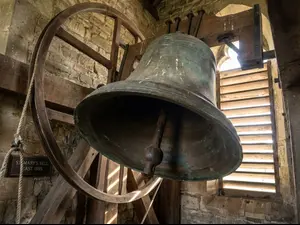
bell
[bel]
a hollow object that makes a ringing sound when struck

sagacious
[suh-gey-shuhs]
having or showing acute mental discernment and keen practical sense; shrewd

pompous
[pom-puhs]
characterized by an ostentatious display of dignity or importance

reconcile
[rek-uhn-sahyl]
to bring into agreement or harmony; make compatible or consistent

pack
[pak]
a group of animals or things, or to place items together