
pervading
verbspreading throughout; permeating.
What Makes This Word Tick
Pervading means spreading throughout, as if something is present everywhere in a space or situation. It suggests a gradual, all-over presence rather than a single point. Compared with penetrating, pervading focuses more on being everywhere than on breaking in.
If Pervading Were a Person…
Pervading would be the presence that seems to fill the whole room without ever standing in one spot. You don’t notice a single entrance; you just realize it’s everywhere. Being around it feels like being surrounded by a mood.
How This Word Has Changed Over Time
Pervading has kept its core sense of spreading throughout, and it still works for both physical and emotional “fill the space” situations. The meaning remains stable because the image of “through and through” is built in.
Old Sayings and Proverbs
Proverb-style ideas about an atmosphere that “soaks into everything” fit pervading well, because the word is about being spread throughout. It captures the feeling of a presence that’s hard to escape.
Surprising Facts
Pervading is often used for intangible things—calm, tension, fear, warmth—because it describes a whole-scene effect. It can make a description feel immersive by implying that everything in the setting is touched by the same presence. In writing, it’s a shortcut to “everywhere at once.”
Out and About With This Word
You’ll see pervading in descriptive storytelling, reviews, and reflective writing where mood or influence spreads across a scene. It fits best when the idea is not just present, but present throughout.
Pop Culture Moments Where Pervading Was Used
In pop culture, pervading atmospheres show up in scenes where a mood takes over—unease in a haunted space, calm in a sanctuary, tension before a reveal. That reflects the definition because the feeling isn’t localized; it spreads throughout everything onscreen.
The Word in Literature
In literature, pervading helps writers describe atmosphere as something that fills a setting, shaping every detail without needing constant repetition. It can unify imagery by implying a single influence running through the whole scene. For readers, it signals immersion: the mood is everywhere, not just mentioned once.
Moments in History with Pervading
The concept behind pervading fits historical moments when an influence spreads widely—an idea, fear, optimism, or tension that seems to touch everything. This matches the definition because the key is a throughout presence rather than isolated pockets. It’s the word for a mood that becomes the backdrop.
This Word Around the World
Many languages express this with verbs meaning “permeate,” “spread through,” or “fill,” often used for both scents and atmospheres. The shared idea stays the same: present throughout the whole space.
Where Does It Come From?
Pervading comes from Latin roots meaning “to go through,” which aligns neatly with spreading throughout. The origin mirrors the word’s built-in image of a presence moving through and filling an area.
How People Misuse This Word
Pervading is sometimes used when someone means merely present, but it implies being spread throughout, not just appearing in one spot. If the influence is limited or occasional, present or noticeable may be a better fit.
Words It’s Often Confused With
Pervading is often confused with prevailing, but prevailing means most common or dominant, while pervading means spread throughout. It can also overlap with permeating, though pervading often emphasizes the whole-scene effect.
Additional Synonyms and Antonyms
Additional Synonyms: permeating, suffusing, diffusing Additional Antonyms: confined, restricted, localized
Want to Try It Out in a Sentence?
"A sense of calm was pervading the room as they sat quietly together."
Explore more words
11 Dumbest Things Middle-Class Americans Waste Money On
See what to cut →

eponym
[ep-uh-nim]
a person after whom a discovery, invention, place, etc., is named or thought to be named

foible
[foi-buhl]
a minor weakness or failing of character; slight flaw or defect

Little-Known Money Hacks That Could Save You Hundreds
Review the list →

Is Staying With the Same Insurer Costing You More?
Explore Your Options →

gallop
[gal-uhp]
to ride a horse at a gallop; ride at full speed

aquiver
[uh-kwiv-er]
trembling with excitement or emotion

These 10 Money Moves Could Save Seniors Hundreds
Read more →

raze
[reyz]
to shave or scrape off

destitute
[des-ti-toot]
lacking the basic necessities of life

tessellate
[tes-uh-leyt]
to form small squares or blocks, as floors or pavements; form or arrange in a checkered or mosaic pattern

bitterness
[bit-er-ness]
sharpness of taste or feeling of anger and disappointment

petition
[puh-tish-un]
a formal request for a specific action or decision

fidelity
[fi-del-i-tee]
strict observance of promises, duties, etc.

efficacious
[ef-i-key-shuhs]
capable of having the desired result or effect; effective as a means, measure, remedy, etc.

abjure
[ab-joor]
to renounce or reject

artful
[ahrt-fuhl]
clever or skillful, often in a crafty or cunning way
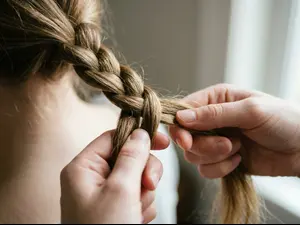
braid
[br-aid]
a pattern formed by weaving together three or more strands, often of hair or fabric.

picturesque
[pik-chuh-resk]
(of writing, speech, etc.) strikingly graphic or vivid; creating detailed mental images

exoneration
[ig-zon-uh-rey-shuhn]
the act of clearing someone of blame or of an accusation or criminal charge