rebuke
verbto express sharp, stern disapproval of; reprove; reprimand
What Makes This Word Tick
"Rebuke" has a bite to it; it's a word with an edge. It implies a sharp, pointed criticism. When someone rebukes another, there's a sense of formality and authority in the air-the kind of setting where you might straighten your posture, like being called to the principal's office as a teenager.
If Rebuke Were a Person…
If "rebuke" walked among us, it might look like a strict but fair schoolteacher. Sporting a no-nonsense demeanor and sensible shoes, this person wouldn't hesitate to call out wrongdoings while expecting you to learn from the experience. Maybe they'd have a chalkboard pointer at the ready, just for emphasis.
How This Word Has Changed Over Time
Over the centuries, "rebuke" has remained fairly steady in its meaning. Its roots trace back to the Old French word "rebucher," which means "to hack down" or "to beat back." Quite vivid imagery! While we aren't swinging axes about anymore, the word retains its forceful nature.
Old Sayings and Proverbs That Use Rebuke
While you won't find many proverbs using "rebuke" directly, the spirit of the word is found in phrases like, "Spare the rod, spoil the child," highlighting the belief that criticism and correction are integral to personal growth.
Surprising Facts About Rebuke
Did you know that "rebuke" appears in some of the earliest English translations of the Bible? It's one of those words that stands the test of time, conveying its authoritative tone even in ancient texts. Not every word can boast such biblical credentials!
Out and About With This Word
If you're out at a town hall meeting or maybe watching a stern talk at a book club, "rebuke" might just pop up. It's a word commonly reserved for formal or serious occasions, making it less of a conversational staple and more of a verbal heavyweight.
Pop Culture Moments Where Rebuke Was Used
Whenever a TV show courtroom scene gets heated, you might hear a lawyer or a judge issue a "rebuke." It's also a favorite in political dramas where public figures face criticism for their actions. "The West Wing" or "House of Cards," anyone?
The Word in Literature
In literature, "rebuke" might dot the pages of classic and modern novels alike. It's used to illustrate authority and conflict, perfect for those tense scenes where one character must call out another's misstep. Picture a scene in a Jane Austen novel where a character receives a stern talking-to.
Moments in History with Rebuke
Think of momentous historic debates or speeches, like Churchill's or FDR's fiery addresses. While they might not have shouted "rebuke," these moments had the essence of a national or global calling to task, urging change and reflection.
This Word Around the World
Globally, every language has its version of "rebuke." In Spanish, you might "reprender" someone, while in German, a "tadel" could be delivered. The concept is universal-cultures everywhere find it necessary to call out error and prompt improvement.
Where Does It Come From?
"Rebuke" stems from the Old French "rebuchier" and Middle English "rebuken," implying harsh scolding or correction. The roots are visible in its no-nonsense usage today, harking back to its original essence of rebuffing errors with clarity.
How People Misuse This Word
People often think "rebuke" is synonymous with any criticism, but it packs a stronger punch. It's not just a casual "Hey, fix this," but more of a directed and authoritative disapproval, often formal in nature.
Words It's Often Confused With
- Reprove: Both involve criticism, but "reprove" is milder.
- Reprimand: Similar in tone, though "rebuke" feels more emotional and less procedural.
- Scold: Scolding often sounds more personal and less formal.
Additional Synonyms and Antonyms
Synonyms include admonish, chastise, and upbraid, while antonyms are praise, commend, and approve. These words communicate varying levels of criticism and support, coloring conversations with their subtle nuances.
Want to Try It Out in a Sentence?
When Laura broke the vase, her grandmother rebuked her gently, reminding her to be more careful next time.
Explore more words
11 Dumbest Things Middle-Class Americans Waste Money On
See what to cut →
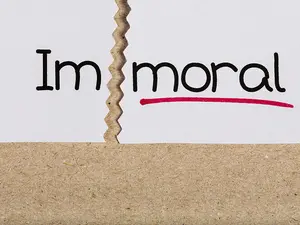
libertine
[lib-er-teen, lib-er-tin]
characterized by a disregard of morality, especially in sexual matters; freethinking in matters of religion

nimiety
[ni-mahy-i-tee]
excess; overabundance

Little-Known Money Hacks That Could Save You Hundreds
Review the list →

Is Staying With the Same Insurer Costing You More?
Explore Your Options →

prop
[pr-op]
an object used for support or as part of a performance; also refers to giving assistance or reinforcement.
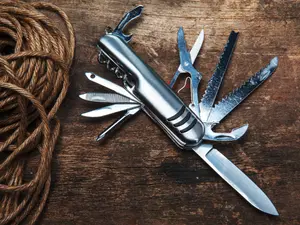
versatile
[vur-suh-tl]
capable of or adapted for turning easily from one to another of various tasks, fields of endeavor, etc.

These 10 Money Moves Could Save Seniors Hundreds
Read more →

rapscallion
[rap-skal-yuhn]
a rascal; rogue; scamp

dauntless
[dawnt-lis]
not to be daunted or intimidated; fearless; intrepid; bold

ogle
[oh-guhl]
to eye; look or stare at

synchrony
[sing-kruh-nee]
simultaneous occurrence; synchronism

abscond
[ab-skond]
to depart in a sudden and secret manner, especially to avoid capture and legal prosecution
aggrandize
[ag-ruhn-dahyz]
to make something appear greater

betrothed
[bih-trohthd]
engaged to be married
yap
[y-ap]
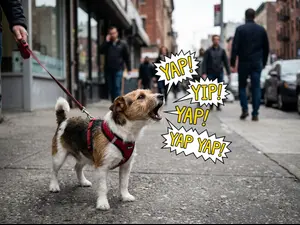
to bark sharply or shrilly, often referring to small dogs; also used informally for talking excessively.

vignette
[vin-yet]
an engraving, drawing, photograph, or the like that is shaded off gradually at the edges so as to leave no definite line at the border
virulent
[vir-yuh-luhnt, vir-uh-]
actively poisonous; intensely noxious

etui
[ey-twee]
a small case for needles and toiletries

anfractuous
[an-frak-choo-uhs]
characterized by windings and turnings; sinuous; circuitous