
virulence
noun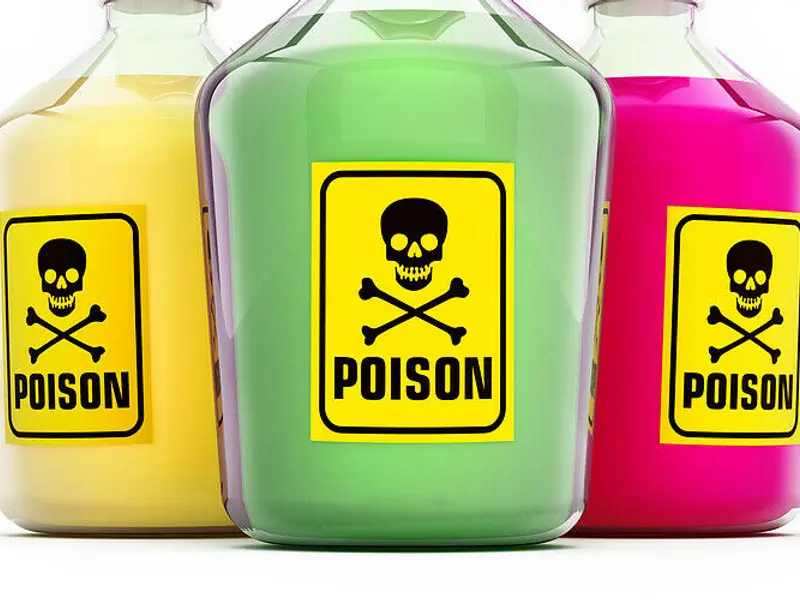
venomous hostility or intense temper
What Makes This Word Tick
"Virulence" is a word with a bite, isn't it? It conjures images of stubborn viruses and fierce infections, hissing and spitting with intensity. This word packs a punch and doesn't intend to sugarcoat it.
If Virulence Were a Person…
Imagine Virulence as a villain in a sharp suit, looming in the shadows with an intense smirk. They'd have a reputation that precedes them, the kind of individual that turns heads-though sometimes for all the wrong reasons.
How This Word Has Changed Over Time
Virulence was once strictly tied to disease, speaking to an organism's ability to cause illness. Over time, its claws have scratched into other areas, now used metaphorically to describe biting criticism or extreme negativity.
Old Sayings and Proverbs That Use Virulence
While ancient proverbs might not have used "virulence" explicitly, they'd warn of the dangers of too much bitterness, like a cauldron of emotions that could cause one to spit venom much like this word.
Surprising Facts About Virulence
Here's a fun twist: Virulence isn't always bad! In nature, the balance of a pathogen's virulence can determine whether an outbreak fizzles out or spreads. It's a term that holds the reins on the wild horse of nature's control.
Out and About With This Word
Beyond the doctor's office, virulence can be found in circles of debate where arguments are exchanged with caustic intensity, or in critics' reviews that slash rather than nurture.
Pop Culture Moments Where Virulence Was Used
Remember when late-night hosts put on their serious faces during the early days of a pandemic? The word virulence was their trusty sidekick in headlines, bringing gravity to the situation with syllables that demand attention.
The Word in Literature
Virulence thrives in the shadows of Gothic novels and dystopian narratives. Its presence is a harbinger of discomfort, lending an air of menace to plots that hinge on infection or societal critique.
Moments in History with Virulence
The Black Death in medieval Europe was an era marked by discussions of virulence, even though not in today's terms. The concept of deadly potency played a role in shaping public health discourse over centuries.
This Word Around the World
In other languages, the concept of virulence might appear in discussions with varied nuances-it's about the threat level of any confrontational or dangerous spread. Dread and vigilance are its close relatives.
Where Does It Come From?
"Virulence" finds roots in Latin with "virulentus" meaning "poisonous." Like a foreign film with historical depth, this word carries the gravity of its origins even today.
How People Misuse This Word
It's often mistaken for any run-of-the-mill criticism. A simple disagreement isn't virulence; it requires a certain fiery intensity and potential for harm that's not present in everyday squabbles.
Words It's Often Confused With
- Violence: While both pack destructive potential, virulence is more about the infectious spread, whereas violence focuses on physical brutality.
- Vitriol: This describes acidic speech and sharp criticism, similar in tone but not in infectious nature.
- Venom: Conjures images of poison, which aligns with part of virulence's nature, but it's more about a physical substance.
Additional Synonyms and Antonyms
Synonyms include malignancy, venom, and toxicity. On the flip side, gentleness and mildness stand as their calmer cousins in language.
Want to Try It Out in a Sentence?
"The virulence of the media's critique came as a shock, its sharpness cutting deeper than a simple statement of dissatisfaction."
Explore more words


succuss
[suh-kuhs]
medicine/medical; to shake (a patient) in order to determine if a fluid is present in the thorax or elsewhere

respite
[res-pit]
a delay or cessation for a time, especially of anything distressing or trying; an interval of relief



acerbic
[uh-sur-bik ]
sour or astringent in taste

serve
[surv]
to perform duties or provide services for others


redolent
[red-l-uhnt ]
having a pleasant odor; fragrant

diluvial
[dih-loo-vee-uhl]
pertaining to or caused by a flood or deluge

isthmus
[is-muhs]
a narrow strip of land, bordered on both sides by water, connecting two larger bodies of land

zenith
[zee-nith]
the time at which something is most powerful or successful

morbid
[mawr-bid]
relating to or appealing to abnormal or disturbing subjects

loaded
[l-oad-ed]
heavily burdened or full, often referring to wealth, possessions, or physical weight.

myrrh
[mur]
an aromatic resinous exudation from certain plants of the genus Myrrhis, especially M. odorata, a small spiny tree: used for incense, perfume, etc.

abundant
[uh-buhn-duhnt]
present in great quantity; more than adequate; oversufficient

ennui
[ahn-wee]
a feeling of utter weariness and discontent resulting from satiety or lack of interest; boredom

demagogue
[dem-uh-gog]
a political leader who seeks support by appealing to the desires and prejudices of ordinary people rather than by using rational argument

again
[uh-gehn]
one more time or repeatedly.

devitalized
[dee-vy-tuh-lyzd]
deprived of strength or vitality