
mezzanine
noun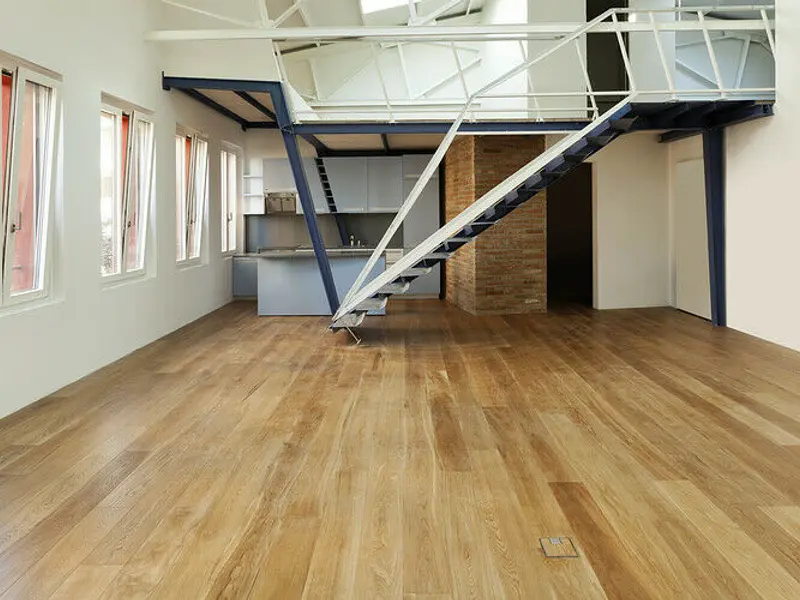
the lowest balcony or forward part of such a balcony in a theater
What Makes This Word Tick
The word "mezzanine" conjures images of an intermediate floor tucked between two main floors, often in a theater where the view is just perfect without the nosebleed height. It's like a delightful secret - not quite the ritzy balcony, but a notch above the ground floor.
If Mezzanine Were a Person…
If Mezzanine walked into a room, they'd be the suavely dressed gentleman, offering a perfect mix of sophistication and accessibility. Not too flashy like their balcony cousin, but they exude a quiet confidence, maintaining just the right amount of intrigue.
How This Word Has Changed Over Time
Originally stemming from the Italian word "mezzano," meaning "middle," mezzanine has held steady in its architectural context, though it has ventured into realms like finance, referring to a type of funding that's one step above common equity.
Old Sayings and Proverbs That Use Mezzanine
There may not be old proverbs featuring "mezzanine," but its association with being in the middle could inspire a saying about balance or perspective - something like "a mezzanine view gives clarity without vertigo."
Surprising Facts About Mezzanine
Did you know that some of the world's iconic theaters boast mezzanine levels as their most coveted seats? They offer both a commanding view of the stage and an intimate connection with the performance, a true connoisseur's choice.
Out and About With This Word
You'll encounter mezzanines most frequently in theaters, shopping malls, and airports. They're the perfect perch for people-watching or catching a quick breather during travel or retail therapy.
Pop Culture Moments Where Mezzanine Was Used
From concert venues to high-rise buildings, mezzanines make their quiet presence known. They might not steal the spotlight on the silver screen, but they've seen plenty of action in behind-the-scenes tours and narrative backdrops.
The Word in Literature
While mezzanines may not headline in literary classics, they serve as metaphorical spaces for reflection and observation in stories where characters seek a moment away from the hustle below.
Moments in History with Mezzanine
The mezzanine has been a witness to cultural evolutions, functioning as a pseudo-VIP space in historic theaters and concert halls where great performances captivated audiences, including society's elite.
This Word Around the World
Globally, mezzanine translates to similar expressions conveying intermediate spaces. In Germany, it's "Zwischengeschoss," and in French, "entresol," both reflecting its purpose as a middle ground.
Where Does It Come From?
Mezzanine finds its roots in the Italian "mezzano," meaning "middle." It's been borrowed into English since the 18th century, retaining its architectural focus through the years.
How People Misuse This Word
In finance, people sometimes confuse mezzanine financing with other types of loans. Remember, it's less risky than common equity but often comes with more risk than standard bank loans.
Words It's Often Confused With
- Balcony: While both offer elevated views, a balcony is typically higher and more prominent.
- Atrium: An open central space, lacks the privacy or elevation of a mezzanine.
- Lobby: A large ground-level area, more for entry than observation.
Additional Synonyms and Antonyms
Synonyms might include "intermediate level" or "entresol," while antonyms could be "basement" or "ground floor."
Want to Try It Out in a Sentence?
From the mezzanine, Claire had the perfect view of the orchestra, enjoying the music entwined with the theater's grandeur without being too far from the action.
Explore more words

ichor
[ahy-kawr]
from Classical Mythology: the blood of the gods
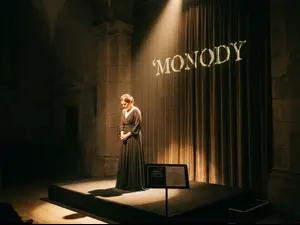
monody
[mon-uh-dee]
a lament or dirge, especially in music



hegira
[hi-jahy-ruh]
any flight or journey to a more desirable or congenial place
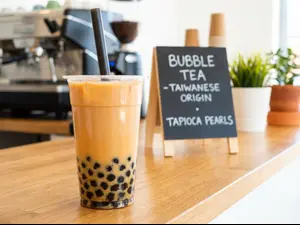
boba
[boh-buh]
a sweet drink of taiwanese origin that consists of tea mixed typically with milk or fruit syrup and small balls of tapioca.


copacetic
[koh-puh-set-ik]
fine; completely satisfactory; OK

obsequious
[uhb-see-kwee-uhs]
characterized by or showing servile obedience and excessive eagerness to please; deferential; fawning:

highfalutin
[hahy-fuh-loot-n]
seeming or trying to seem superior, important, etc.; pompous; pretentious

douse
[dous]
to splash or throw water or other liquid on; drench

tawdry
[taw-dree]
of little value; gaudy

utopia
[yoo-toh-pee-uh]
an ideal place or state

cerulean
[suh-roo-lee-uhn]
deep blue; sky blue; azure

urbane
[ur-beyn]
having the polish and suavity regarded as characteristic of sophisticated social life in major cities

patronize
[pey-truh-nahyz]
to adopt an air of superiority and condescension toward someone.

demoralize
[dee-mor-uh-lize]
to cause someone to lose confidence or morale

animosity
[an-i-mos-i-tee]
strong hostility or dislike

green
[gr-een]
the color of grass; also refers to inexperience or being environmentally friendly.