
tryst
nouna private romantic rendezvous between lovers
What Makes This Word Tick
"Tryst" is one of those words that seems to whisper secrets and arrange clandestine meetings, thanks to its romantic and sometimes mysterious connotations. It conjures images of moonlit rendezvous, hidden from prying eyes, with lovebirds stealing a few precious moments together.
If Tryst Were a Person…
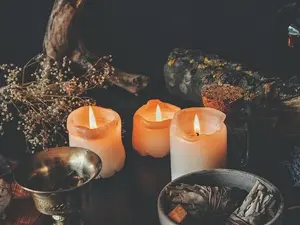
If "tryst" could walk and talk, it would be the kind of person who always knows the most secluded spots for coffee, prefers candlelight over electric bulbs, and might just wink at you when talking about weekend plans. Not the type to overshare, "tryst" values discretion and a hint of mystery in every adventure.
How This Word Has Changed Over Time
Originally used to describe a stake or station where hunting parties would meet, "tryst" evolved to signify meetings between lovers. While it may have lost its more chivalrous hunting associations, the word has gained a dash of romance and intrigue over the years.
Old Sayings and Proverbs That Use Tryst
Tryst isn't a word you'd typically find in old sayings, but you might hear something like, "The heart often yearns for a tryst unknown," suggesting the age-old pull of adventure in love.
Surprising Facts About Tryst
Did you know that "tryst" once carried the weight of a formal appointment? It's true! In older legal contexts, a tryst was much like a court summons. A far cry from its romantic liaisons today, wouldn't you say?
Out and About With This Word
Next time you're in a park or at a charming café, listen closely. If the vines overhead seem to whisper, or the air feels particularly charged, you might just be standing in the perfect spot for a "tryst."
Pop Culture Moments Where Tryst Was Used
Television shows and movies set in eras of secrecy and societal constraints often toss in a "tryst" or two. It's that word that appears when characters want to add a bit of clandestine allure to their dalliances.
The Word in Literature
In romantic novels, "trysts" are often the turning point, where star-crossed lovers meet away from disapproving eyes. Think of the balcony scene in "Romeo and Juliet," a scene just begging to be called a tryst.
Moments in History with Tryst
Throughout history, arranged marriages sometimes birthed secret trysts as individuals sought true love outside of pressured unions. Such clandestine meetings have stoked the fires of passion and scandal across centuries.
This Word Around the World
In France, a similar meeting might be called a "rendez-vous," evoking romance but lacking the secretive air of "tryst." Across the globe, such stolen moments are celebrated but rarely named with such a specific word.
Where Does It Come From?
"Tryst" stems from the Middle English "trist" or "trysten," which refers to a station in hunting. It's not hard to see how meeting to hunt could translate to meeting for romance-it's all about pursuit, after all!
How People Misuse This Word
Many people mistakenly use "tryst" as a synonym for any romantic meeting, forgetting its air of secrecy and intrigue. A coffee date at noon, for example, lacks the covert charm needed for a true "tryst."
Words It's Often Confused With
- Rendezvous: Lacks the secretive nuance of "tryst."
- Meeting: Far too formal or business-like.
- Date: Much more casual and open.
Additional Synonyms and Antonyms
Synonyms might include "assignation" or "liaison," while antonyms could be mundane affairs like "appointment" or "meeting."
Want to Try It Out in a Sentence?
"Ever the romantic, he proposed a midnight tryst beneath the stars, bringing with him a single red rose as a token of his affection."
Explore more words

11 Dumbest Things Middle-Class Americans Waste Money On
See what to cut →

yeoman
[yoh-muhn]
performed in a workmanlike, valiant, and useful manner, especially in situations involving a great deal of effort

disseminate
[dih-sem-uh-neyt]
to scatter or spread widely, as though sowing seed; promulgate extensively; broadcast; disperse

Little-Known Money Hacks That Could Save You Hundreds
Review the list →

Is Staying With the Same Insurer Costing You More?
Explore Your Options →

sanctimonious
[sangk-tuh-moh-nee-uhs]
making a show of being morally superior to others

nurture
[nu-rtu-ure]
to assist the development of

These 10 Money Moves Could Save Seniors Hundreds
Read more →

negligent
[neg-li-juhnt]
failing to take proper care of something

magnanimous
[mag-nan-uh-muhs]
generous in forgiving an insult or injury; free from petty resentfulness or vindictiveness

park
[pahrk]
a piece of land maintained by a city or town as a place of beauty or play.
ensorcell
[en-sawr-suhl]
to bewitch, charm, or enchant

sanguine
[sang-gwin]
optimistic or positive, especially in a bad or difficult situation

superfluous
[soo-pur-floo-uhs]
being more than is sufficient or required; excessive

quirk
[kwurk]
a peculiarity of action, behavior, or personality; mannerism

aphelion
[uh-fee-lee-uhn]
the point farthest from the sun in the path of an orbiting celestial body (such as a planet)

loquaciousness
[l-okw-ak-iousn-ess]
the quality of being very talkative or prone to lengthy conversation.

chthonic
[tha-nik]
of or relating to the deities, spirits, and other beings dwelling under the earth

imbibe
[im-bahyb]
to absorb or soak up, as water, light, or heat
sanguine
[sang-gwin]
cheerfully optimistic, hopeful, or confident