
frolic
verbto gambol merrily; to play in a frisky, light-spirited manner; romp
What Makes This Word Tick
The word "frolic" is all about joyousness and playfulness. It's the kind of word that conjures up images of carefree children running through meadows or playful puppies tumbling in the park. It's full of life, capturing the essence of spontaneous fun, often involving a dash of mischievousness.
If Frolic Were a Person…
Imagine a person who walks into a room and immediately lightens the mood with laughter and playful antics. They are spontaneous, living in the moment, and effortlessly charming those around them with their infectious zest for life. That's "frolic" embodied in human form-a delightful whirl of energy.
How This Word Has Changed Over Time
Originally, "frolic" drew from Dutch roots meaning to be glad or merry. Over time, its usage broadened from merely feeling joyful to physically expressing joy through lively, playful actions. It's evolved to embody a sense of playful mischief alongside unrestrained happiness.
Old Sayings and Proverbs That Use Frolic
An old saying goes, "Frolic when you may, for tomorrow may bring sorrow." It's a reminder of the transient nature of joy, encouraging people to enjoy life's playful moments while they last. There aren't many proverbs using "frolic," but the sentiment is echoed in various cultures.
Surprising Facts About Frolic
Did you know that "frolic" was once used in nautical terms? Sailors would say "to make frolic" when they took a break from duties and enjoyed a lively gathering on board. The word has always had a sense of breaking from the mundane into spontaneous joy, even at sea.
Out and About With This Word
You'll often find "frolic" popping up in descriptions of nature or carefree gatherings, from travel brochures to child-friendly events. It's used to capture the spirit of unrestrained joy and is a staple in describing activities meant to include laughter and happiness.
Pop Culture Moments Where Frolic Was Used
In pop culture, scenes illustrating frolic are abundant, whether in movies, where characters escape into a day of carefree adventure, or in songs celebrating the freedom of leisurely, untamed happiness. Think of any film with a montage of spontaneous fun-frolic fits right in.
The Word in Literature
In literature, "frolic" often finds its place in romantic or pastoral settings, where characters revel in nature's beauty and the joy of living. Authors use it to describe scenes where the burdens of life momentarily lift, and pure joy takes over. Think of it as the literary equivalent of a sunny day.
Moments in History with Frolic
History's grandeur doesn't always make room for lightheartedness, but picture any festivity, like the revelries of the Tudor court-the word "frolic" would certainly capture those moments of music, dance, and merriment quite aptly.
This Word Around the World
Across the globe, the essence of "frolic" translates into various cultures, each with its unique expression. In Spain, a similar spirit might be found in the exuberant "fiesta," while in Japan, the essence of playfulness might resonate with "asobi," capturing leisure with a playful touch.
Where Does It Come From?
"Frolic" traces back to the Middle Dutch word "vrolijk," which means cheerful or merry. It's fascinating how a word born from another language several centuries ago continues to bubble with the same buoyant energy today.
How People Misuse This Word
Some might mistakenly use "frolic" to describe any playful act, even when it involves solitary or minor actions. True frolicking typically involves a scene, movement, and a shared joyous spirit among people or animals.
Words It's Often Confused With
- Play: While similar, "play" doesn't always involve the carefree, spirited abandon suggested by "frolic."
- Jubilant: More about intense joy, while "frolic" specifically denotes joyful activity.
- Gambol: Often paired together, though "gambol" focuses more on skipping and dancing motions.
Additional Synonyms and Antonyms
- Synonyms: Romp, cavort, frisk
- Antonyms: Gloom, mope, sulk
Want to Try It Out in a Sentence?
"The children giggled as they frolicked through the sprinklers, their laughter echoing through the sunlit garden."
Explore more words
11 Dumbest Things Middle-Class Americans Waste Money On
See what to cut →

kvetch
[kfetch]
to complain persistently and annoyingly
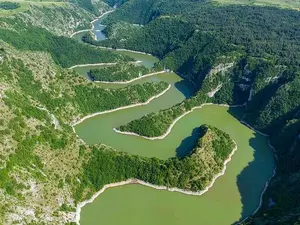
meander
[mee-an-der]
to proceed by or take a winding or indirect course

Little-Known Money Hacks That Could Save You Hundreds
Review the list →

Is Staying With the Same Insurer Costing You More?
Explore Your Options →

encomium
[en-koh-mee-uhm]
a speech or piece of writing that praises someone or something highly
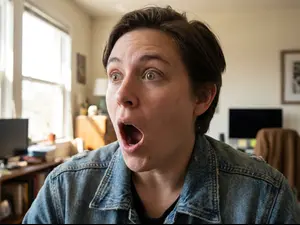
gape
[gayp]
to stare with an open mouth in amazement

These 10 Money Moves Could Save Seniors Hundreds
Read more →

grok
[grok]
to communicate sympathetically

phoenix
[fee-niks]
a mythical bird that regenerates or is reborn from its ashes.

auriferous
[aw-rif-er-uhs]
yielding or containing gold

wane
[weyn]
to decrease in strength, intensity, etc.

languor
[lang-ger ]
lack of energy or vitality; sluggishness

candid
[kan-did]
truthful and straightforward; frank
undulating
[uhn-juh-leyt-ing]
having a sinuous or wavelike shape or motion

antics
[an-tiks]
playful or silly behavior
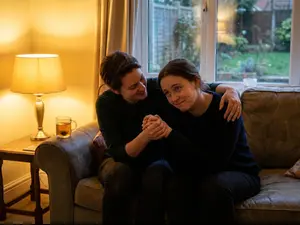
hearten
[har-tn]
to give encouragement or confidence to someone
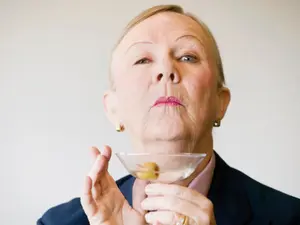
pompous
[pom-puhs]
characterized by an ostentatious display of dignity or importance
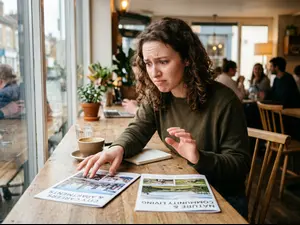
ambivalent
[am-biv-uh-lent]
having mixed or contradictory feelings about something

cognizance
[kog-nuh-zuhns]
awareness, realization, or knowledge; notice; perception