
equable
adjective
calm and even-tempered, without sudden changes of mood
What Makes This Word Tick
Equable describes a pattern of temperament, so it works especially well beside words such as manner, disposition, and nature. Someone can have a cheerful morning without being equable; the adjective becomes more revealing when the same person's mood stays reasonably consistent through disappointments as well as pleasant surprises.
If Equable Were a Person...
Equable would be the dinner host whose welcoming manner stayed the same whether guests arrived early, late, or with an unexpected extra friend. They would rearrange the chairs, find another plate, and continue the conversation in the same relaxed tone rather than making everyone share their irritation.
How This Word Has Changed Over Time
Equable has been recorded in English since the seventeenth century, and it remains useful in descriptions of character. Present-day examples apply it to people as different as children and team managers, keeping attention on a familiar personal quality: a temperament that does not lurch from one extreme to another.
Old Sayings and Proverbs
The established expression 'on an even keel' does not contain equable, but it shares the idea of remaining emotionally balanced without abrupt changes. An equable friend can be described as staying on an even keel through an untidy week, rather than becoming delighted, furious, and discouraged with every small development.
Surprising Facts
Equable has both the related noun equability and the adverb equably, giving its particular kind of calm several grammatical forms. A person can be praised for equability or answer a complaint equably, with each form directing attention to an even response rather than a dramatic display of emotion.
Out and About With This Word
A community-garden coordinator might earn a reputation for being equable by greeting volunteers with the same good humor during busy planting days and disappointing harvests. The description concerns the coordinator's dependable manner over the season, not whether every planting decision works out or every volunteer agrees with the plan.
Pop Culture Moments Where Equable Was Used
It would fit naturally alongside A Beautiful Day in the Neighborhood, where Fred Rogers brings a gentle, measured manner to his friendship with a skeptical journalist. It also suits Paddington 2, where Paddington repeatedly approaches other people with courtesy and good will despite his changing circumstances. In both cases, equable describes a recognizable steadiness of disposition rather than the absence of feelings.
The Word in Literature
Jane Austen's Persuasion offers a useful comparison in Anne Elliot, whose considerate manner contrasts with the complaints and self-importance around her. Describing that side of Anne as equable draws attention to her steady treatment of others, while leaving room for the strong feelings and private uncertainty that make her a complex character.
Moments in History with Equable
In the Roman imperial period, the Stoic teacher Epictetus examined how judgments shape feelings and how people might develop less impulsive responses. His concern with habits of temper provides a historical counterpart to an equable disposition, although the English adjective itself belongs to a much later period and is not his own terminology.
This Word Around the World
Collins translates equable, when applied to character, with the Italian adjective tranquillo, or tranquilla when the grammatical context requires it. The comparison brings out the calm side of an equable personality, while the English word places particular emphasis on avoiding sudden, sharp changes of mood.
Where Does It Come From?
Equable comes from Latin aequabilis, connected with aequare, to make level or equal, and aequus. In a description of temperament, that inherited idea of evenness concerns the person's emotional manner: small setbacks do not produce outsized swings from friendliness to anger or from confidence to gloom.
How People Misuse This Word
An equable person can disagree, feel disappointed, or ask firmly for a mistake to be corrected. Treating the adjective as a promise of permanent happiness misses its emphasis on moderation and consistency; a measured objection can reveal an equable temperament just as clearly as a relaxed conversation does.
Words It's Often Confused With
Equitable concerns fairness, whereas equable concerns an even temperament; someone may make a fair decision while feeling thoroughly annoyed. Unflappable emphasizes composure when a particular situation becomes difficult, while equable describes a more sustained pattern of mood, including the uneventful stretches when nobody is testing anyone's nerve.
Additional Synonyms and Antonyms
Additional synonyms: ["mild", "temperate", "levelheaded"] Additional antonyms: ["moody", "excitable", "erratic"]
Want to Try It Out in a Sentence?
Her equable manner kept the discussion friendly even when plans changed.
Explore more words


clean
[kleen]
free from dirt, pollution, or unwanted matter

portend
[por-tend]
to signify or be a warning of future events



sprightly
[sprite-lee]
lively and energetic, with lightness of movement or manner

wormhole
[wurm-hohl]
a hole made by a burrowing or gnawing worm, as in timber, nuts, etc.


devitalized
[dee-vy-tuh-lyzd]
deprived of strength or vitality

tortuous
[tawr-choo-uhs]
full of twists, turns, or bends; twisting, winding, or crooked

action
[ak-shuhn]
the process of doing something to achieve a goal

convalesce
[kon-vuh-les]
to recover health and strength after illness; make progress toward recovery of health

malaise
[ma-leyz]
a general feeling of discomfort, illness, or uneasiness whose exact cause is difficult to identify

treatise
[tree-tis]
a formal and systematic exposition in writing of the principles of a subject, generally longer and more detailed than an essay

liminal
[lim-i-nul]
relating to a threshold or an intermediate state of transition.

effluvium
[ih-floo-vee-uhm]
a slight or invisible exhalation or vapor, especially one that is disagreeable or noxious

tryst
[trist, trahyst]
a private romantic rendezvous between lovers
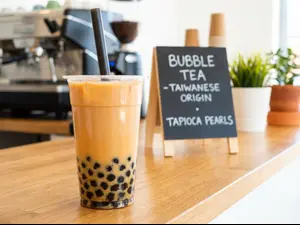
boba
[boh-buh]
a sweet drink of taiwanese origin that consists of tea mixed typically with milk or fruit syrup and small balls of tapioca.

vociferate
[voh-sif-uh-reyt]
to speak or cry out loudly or noisily; shout; bawl

vex
[veks]
to torment; trouble; distress; plague; worry