
propitious
adjectivepresenting favorable conditions; favorable
What Makes This Word Tick
"Propitious" is one of those words that just sounds like a good omen, doesn't it? It brings a bit of a royal flair to the concept of good fortune or favorable conditions. When circumstances look bright and full of promise, this is your go-to choice of word. It's often used to predict positive outcomes, making it a favorite for optimists.
If Propitious Were a Person…
Imagine a regal figure, perhaps a kind-hearted wizard, blessing your endeavors with a gentle wave of a wand. This person is always looking on the bright side, assuring you that the stars are aligned in your favor. They carry an aura of encouragement, making you feel like the universe is smiling upon you.
How This Word Has Changed Over Time
Initially used in the context of divine favor, "propitious" has kept its positive vibe over the centuries. It was more about celestial or godly approval in its earliest uses, as opposed to today's broader interpretation where you might merely be talking about having good weather for a picnic.
Old Sayings and Proverbs That Use Propitious
While "propitious" doesn't star in any famous proverbs, it captures the essence of several, like "strike while the iron is hot." It's all about recognizing and seizing favorable moments when they present themselves.
Surprising Facts About Propitious
Did you know that "propitious" has been in use in English since the late 14th century? It derived from Latin, aligning favorably (pun intended) with cultural moments like the Renaissance, when seeking auspicious signs was a big deal.
Out and About With This Word
This word is right at home in weather forecasts, business plans, and spiritual readings. Anywhere there's potential for a swing in good fortune, you'll find "propitious" popping up to signal hope and good times ahead.
Pop Culture Moments Where Propitious Was Used
"Propitious" might not make headlines, but it occasionally sneaks into film dialogue or a TV series script when a character needs to say that things are looking up. It's subtle but carries the weight of expectation.
The Word in Literature
"Propitious" finds its place in highbrow fiction and classical literature. It's the type of word you'd expect to encounter in a Jane Austen novel, particularly when characters are forecasting a fortuitous match or inheritance.
Moments in History with Propitious
Think of any grand historical moment where things could go either way-like the outcome of a pivotal battle or a political election. "Propitious" would perfectly describe the hopeful anticipation people felt in those tense moments, like when the Magna Carta was signed, offering hope for fairness in governance.
This Word Around the World
In Spanish, a similar sentiment is captured by "propicio," whereas in French, you might hear "propice." It's interesting to see how languages have adapted this term to express positivity and favorable conditions all around the globe.
Where Does It Come From?
"Propitious" owes its lineage to the Latin word "propitius," meaning "favorable" or "gracious." Its roots suggest a fondness for things turning out well, which is exactly what the word conjures up today.
How People Misuse This Word
Some folks might mistake "propitious" for just another version of "lucky," but it's more about beneficial opportunities or conditions rather than random chance.
Words It's Often Confused With
- Auspicious: Both suggest favorable conditions, but "propitious" implies a bit more timeliness and action.
- Fortunate: This is more about luck, whereas "propitious" is about a promising situation.
- Advantageous: Though similar, "advantageous" is often used more in contexts like business or strategy.
Additional Synonyms and Antonyms
Synonyms for "propitious" include "auspicious," "favorable," and "promising." Antonyms would be "unfavorable," "inauspicious," and "disadvantageous."
Want to Try It Out in a Sentence?
The sunny skies and gentle breeze made for a propitious day to embark on our new garden project, filling us with optimism as we sowed the seeds.
Explore more words
11 Dumbest Things Middle-Class Americans Waste Money On
See what to cut →

aquiver
[uh-kwiv-er]
trembling with excitement or emotion

caseous
[key-see-uhs]
cheeselike, especially in appearance, smell, or consistency
Little-Known Money Hacks That Could Save You Hundreds
Review the list →

Is Staying With the Same Insurer Costing You More?
Explore Your Options →

cordial
[kawr-juhl]
courteous and gracious; friendly; warm
insatiable
[in-sey-shuh-buhl]
not satiable; incapable of being satisfied or appeased

These 10 Money Moves Could Save Seniors Hundreds
Read more →

translucent
[trans-loo-suhnt]
allowing light to pass through but not transparent

emulate
[em-yuh-leyt]
to try to equal or excel; imitate with effort to equal or surpass

mawkish
[maw-kish]
having a mildly sickening flavor; slightly nauseating

insouciance
[in-soo-see-uhns]
the quality of being insouciant; lack of care or concern; indifference

traverse
[trav-ers]
to pass or move over, along, or through

porphyry
[pawr-fuh-ree]
any igneous rock containing coarse crystals, as phenocrysts, in a finer-grained groundmass

integrate
[in-ti-greyt]
to bring together or incorporate (parts) into a whole
spurious
[spyoor-ee-uhs]
not being what it purports to be; false or fake
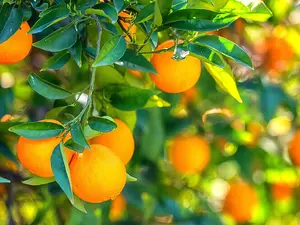
hesperidium
[hes-puh-rid-ee-uhm]
the fruit of a citrus plant

belated
[bih-ley-tid]
coming or being after the customary, useful, or expected time

limerick
[lim-er-ik]
a kind of humorous verse of five lines, in which the first, second, and fifth lines rhyme with each other, and the third and fourth lines, which are shorter, form a rhymed couplet

minatory
[min-uh-tawr-ee]
menacing; threatening