sigil
nouna seal or signet
What Makes This Word Tick
"Sigil" is a word steeped in mystery and intrigue, often evoking images of arcane symbols and magical secrets. It's a word that captures the imagination, inviting thoughts of ancient rituals and the mystical arts. You can't help but feel a twinge of curiosity whenever you hear it.
If Sigil Were a Person…
Imagine Sigil as an enigmatic librarian, whispering secrets in an ancient language. They're a keeper of hidden knowledge, dressed in robes with pockets full of strange artifacts and dust-covered books. Their presence is both fascinating and a little intimidating, hinting at wisdom beyond our comprehension.
How This Word Has Changed Over Time
Originally used in the context of seals and signs, "sigil" has trodden a path from medieval grimoires to modern magical practices. Its meaning has evolved to encompass mystical symbols imbued with magical or spiritual significance, maintaining its allure through centuries.
Old Sayings and Proverbs That Use Sigil
While "sigil" doesn't pop up in common proverbs or idioms, it finds its resonance in the ancient adage: "As above, so below." This hints at the mystical connections sigils are often believed to create between the seen and unseen worlds.
Surprising Facts About Sigil
Did you know that sigils are used today in more ways than just witchcraft or magic? They're often employed in chaos magic, a postmodern practice that combines traditional magic with contemporary culture. It's a fascinating blend of the old and new.
Out and About With This Word
You might encounter "sigil" in the esoteric corners of bookstores or in the more mysterious sections of libraries that house occult volumes. It's also found in ornate designs at historical sites where ancient symbols are engraved in stone.
Pop Culture Moments Where Sigil Was Used
If you're a fan of fantasy literature or films, you'll likely recognize sigils as important emblems symbolizing houses, spells, or otherworldly protections. Think of the intricate symbols in shows like "Game of Thrones" or films like "The Lord of the Rings."
The Word in Literature
"Sigil" finds its home in the pages of fantasy novels and tales of magical realism. It's a favorite among authors who delve into the mystical, used to describe ancient symbols with hidden powers, as seen in the works of Neil Gaiman or Susanna Clarke.
Moments in History with Sigil
In medieval times, sigils were believed to hold immense power, used by alchemists and magicians seeking to influence events or communicate with otherworldly beings. They were especially prominent during the Renaissance, a period rich with occult studies.
This Word Around the World
Globally, sigils find equivalents in symbols like mandalas in India or the hieroglyphs of ancient Egypt. Each culture adds its own layer of meaning, contributing to the rich tapestry of historical and spiritual significance associated with these symbols.
Where Does It Come From?
The word "sigil" traces its roots to the Latin "sigillum," meaning a small seal or signet. This ancient lineage speaks to its original use as a mark of authenticity or ownership, evolving into a symbol of magic and mystery.
How People Misuse This Word
People sometimes misconstrue "sigil" as merely a fancy design or logo. In reality, sigils are specifically crafted symbols intended to hold or channel magical energy - quite different from a corporate emblem!
Words It's Often Confused With
- Seal: While both involve symbols, a seal is more formal, used for authentication, whereas a sigil is mystical in nature.
- Symbol: A general sign or representation, not necessarily imbued with magical significance like a sigil.
- Glyph: Often used interchangeably, though a glyph is more about style and art in writing, rather than magic.
Additional Synonyms and Antonyms
- Synonyms: Talisman, emblem, rune
- Antonyms: Chaos, disorganization
Want to Try It Out in a Sentence?
Crafting a sigil requires both imagination and intent, imbuing the design with personal significance and magical purpose.
Explore more words
11 Dumbest Things Middle-Class Americans Waste Money On
See what to cut →
kerfuffle
[kər-ˈfə-fəl]
a disturbance or commotion typically caused by a dispute or conflict

fatuous
[fach-oo-uhs]
foolish or inane, especially in an unconscious, complacent manner; silly; witless
Little-Known Money Hacks That Could Save You Hundreds
Review the list →

Is Staying With the Same Insurer Costing You More?
Explore Your Options →

animosity
[an-i-mos-i-tee]
strong hostility or dislike
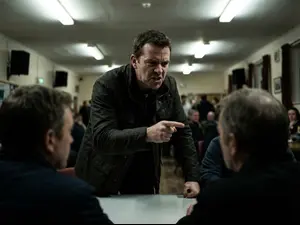
hostile
[hos-tl]
unfriendly or antagonistic; opposed to something

These 10 Money Moves Could Save Seniors Hundreds
Read more →
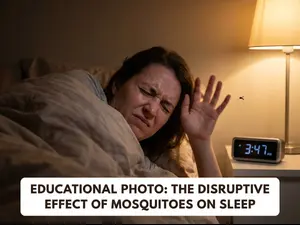
annoying
[uh-noy-ing]
causing irritation or displeasure
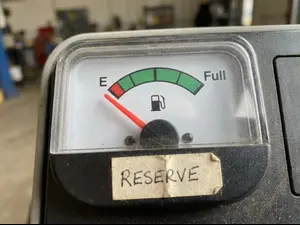
depleting
[d-epl-et-ing]
reducing the quantity, strength, or value of something.
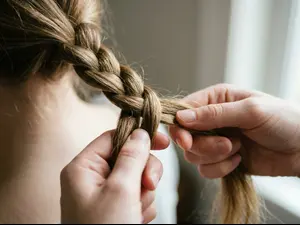
braid
[br-aid]
a pattern formed by weaving together three or more strands, often of hair or fabric.

aquiver
[uh-kwiv-er]
in a state of trepidation or vibrant agitation; trembling; quivering

inject
[in-jekt]
to introduce a substance into something, typically a body or system

efficacious
[ef-i-key-shuhs]
capable of having the desired result or effect; effective as a means, measure, remedy, etc.

innocuous
[ih-nok-yoo-uhs]
not likely to irritate or offend; inoffensive
spiral
[spy-ral]
winding in a continuous curve around a central axis

postulate
[pos-chuh-leyt]
to claim or assume the existence or truth of, especially as a basis for reasoning or arguing

effusive
[ih-fyoo-siv]
unduly demonstrative; lacking reserve

sanctimonious
[sangk-tuh-moh-nee-uhs]
making a hypocritical show of religious devotion, piety, righteousness

gallop
[gal-uhp]
to ride a horse at a gallop; ride at full speed