willowy
adjective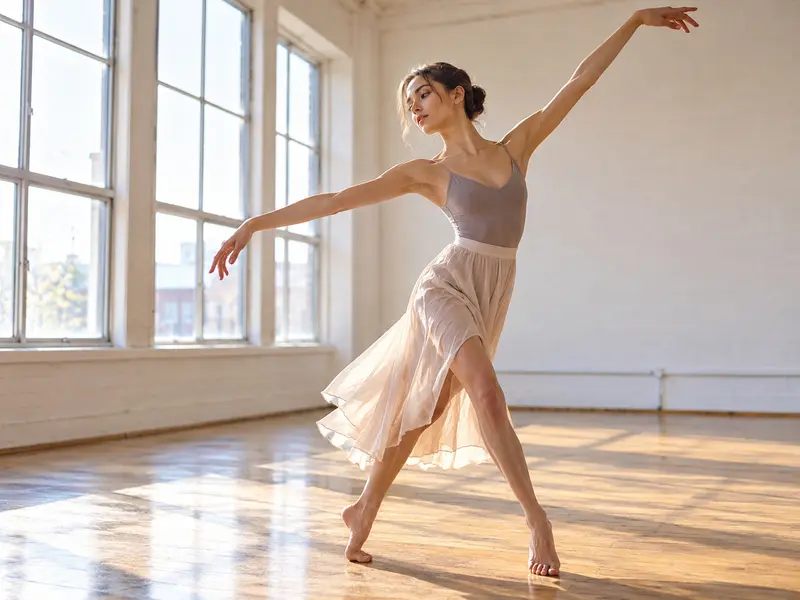
tall, slender, and graceful in appearance
What Makes This Word Tick
Willowy combines three impressions that measurements alone cannot capture: height, a narrow outline, and grace. A person can be tall without looking willowy, because the word also suggests a light, flowing quality in the way the figure appears. It often belongs to a whole silhouette rather than an isolated arm, leg, or gesture.
If Willowy Were a Person...
Willowy would be the guest who seems drawn with a few long, flowing lines. They would stand beside the coat rack, adjust a trailing scarf, and turn sideways to greet someone at the door.
How This Word Has Changed Over Time
The graceful human comparison has been recorded since the late eighteenth century. Present-day dictionaries retain that visual emphasis, so willowy remains more evocative than a simple measurement of height or width.
Old Sayings and Proverbs
The saying "Beauty is only skin deep" does not contain willowy, but it makes a useful distinction between appearance and character. A willowy figure describes someone's outward shape and grace, without telling us whether that person is kind, patient, or generous.
Surprising Facts
Willowy has the comparative form willowier and the superlative willowiest. The ending changes even though the tree name remains recognizable, giving this delicate-looking adjective an unexpectedly substantial set of endings. More willowy and most willowy also allow comparison without using those longer forms.
Out and About With This Word
A costume designer might describe a performer's willowy silhouette while choosing a long, uninterrupted line for a stage outfit. A portrait photographer could use the same adjective when planning a full-length composition that emphasizes height and graceful proportions. Both uses concern how a person looks in a particular frame or outfit.
Pop Culture Moments Where Willowy Was Used
It would fit naturally alongside Breakfast at Tiffany's, where Audrey Hepburn's Holly Golightly has a long, slender silhouette in her famous black evening gown. It also suits Funny Face, where Hepburn's Jo Stockton poses in flowing fashions during the Paris photo shoots. In both cases, willowy describes the graceful, elongated appearance of the figure on screen.
The Word in Literature
Thomas W. Hanshew uses willowy in the opening chapter of Cleek, the Master Detective, as a constable notices a woman making her way through London traffic. Paired with her graceful appearance, the adjective helps establish the visual impression that immediately attracts his attention.
Moments in History with Willowy
The Museum at the Fashion Institute of Technology describes 1920s dresses cut away from the body to highlight a straight, lean figure. That loosely fitted silhouette provides a historical context for discussing a willowy appearance, while showing how clothing can emphasize an outline without closely following the body.
This Word Around the World
Collins translates willowy into French as gracile when describing a person or figure. English keeps an explicit comparison with the willow tree, while that French equivalent concentrates on the delicate, slender appearance itself.
Where Does It Come From?
Willowy is an English formation made from willow and the adjective ending -y. The tree comparison supplies an image of long, graceful lines, which carries into the description of a tall, slender person.
How People Misuse This Word
Willowy can be stretched too far when it is treated as proof that someone must be a skilled dancer or athlete. The adjective describes an appearance; training, coordination, and strength cannot be established from that outline alone.
Words It's Often Confused With
Lanky also suggests height and thinness, but can carry an impression of awkwardness that willowy does not. Lithe emphasizes ease and flexibility of movement, whereas a willowy figure can be described while the person is standing still.
Additional Synonyms and Antonyms
Additional synonyms: ["slim", "sylphlike", "graceful"] Additional antonyms: ["thickset", "blocky"]
Want to Try It Out in a Sentence?
The willowy dancer stood tall and graceful at the edge of the stage.
Explore more words
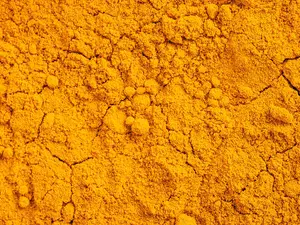
ocher
[oh-ker]
any of a class of natural earths, mixtures of hydrated oxide of iron with various earthy materials, ranging in color from pale yellow to orange and red, and used as pigments

pivotal
[piv-uh-tl]
of, relating to, or serving as a pivot


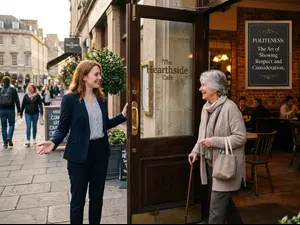
politeness
[puh-lahyt-nes]
behavior that is respectful and considerate of others
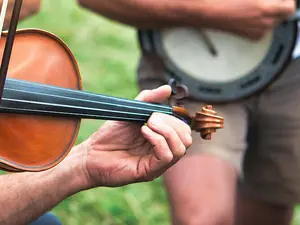
hootenanny
[hoot-n-an-ee, hoot-nan-ee]
a social gathering or informal concert featuring folk singing and, sometimes, dancing


prescient
[presh-uhnt]
having prescience, or knowledge of things or events before they exist or happen; having foresight

convoluted
[kon-vuh-loo-tid]
twisted; coiled

whimsical
[hwim-zi-kuhl]
given to whimsy, capricious humor, excessively playful expression, or fanciful notions; capricious

antic
[an-tik]
a playful trick or prank; caper

muse
[myooz]
to comment thoughtfully or ruminate upon

innovative
[in-uh-vey-tiv]
tending to innovate, or introduce something new or different; characterized by innovation

surmount
[ser-mount]
to prevail over

coulee
[koo-lee]
a lava flow