
hootenanny
nouna social gathering or informal concert featuring folk singing and, sometimes, dancing
What Makes This Word Tick
Ah, "hootenanny" - what a delightful, whimsical word! It evokes images of jovial gatherings filled with music, laughter, and perhaps a touch of frivolity. Originating from the American folk music scene, it's used to describe an informal session where musicians jam together, often encouraging audience participation. It's a word that practically dances off the tongue.
If Hootenanny Were a Person…
Imagine if "hootenanny" were a lively old man, always the life of the party with a twinkle in his eye and a banjo slung over his shoulder. He'd have an infectious laugh, a repertoire of folk songs, and perhaps a repertoire of tall tales, making everyone around him feel instantly at ease.
How This Word Has Changed Over Time
Initially, “hootenanny” was used as a term for a gadget or thingamajig, much like "doohickey" or "whatchamacallit." However, during the folk music revival in the 1960s, it transformed into the rollicking, music-filled gathering we know today, thanks in large part to venues like The Hootenanny Club in Greenwich Village.
Old Sayings and Proverbs That Use Hootenanny
While old sayings don't traditionally include “hootenanny,” one could imagine a spin on "What's good for the goose is good for the gander" updated to "What's fun for the fiddler is fun for the crowd at a hootenanny!"
Surprising Facts About Hootenanny
Did you know that the word "hootenanny" was popularized by folk singers such as Pete Seeger and Woody Guthrie? It wasn't just about music - these gatherings were often platforms for social and political activism, making them cultural touchstones.
Out and About With This Word
Travel to a quaint village festival in America, and you might stumble upon a hootenanny in full swing under a starlit sky. It's not just about the music, but that magical mix of community spirit and merrymaking.
Pop Culture Moments Where Hootenanny Was Used
In 1963, "Hootenanny" was also a TV show that featured folk music acts, playing a role in popularizing the genre. The term has since danced its way into films and books, like the high-energy musical antics in "A Mighty Wind."
The Word in Literature
While "hootenanny" might not be a literary staple, its playful charm fits snugly into Americana literature, alongside tales of banjo-strumming storytellers and grassroots gatherings. Think of the spirited camaraderie you'd find in Mark Twain's adventures.
Moments in History with Hootenanny
The early 1960s hootenanny gatherings were central to the folk music movement, often serving as a backdrop for civil rights discussions and war protests. These events were more than just musical - they were stages for voices seeking change.
This Word Around the World
Though coined in the U.S., variations of "hootenanny" emerge globally in similar community gatherings. In Scotland, for example, a "ceilidh" provides a kindred experience with group dancing and traditional music.
Where Does It Come From?
The word "hootenanny" is believed to have Scottish roots, where it was once used to describe a celebration or party. With its American evolution, it became a banner for folk music fun and spontaneity.
How People Misuse This Word
Some folks might call any party a "hootenanny," but purists know it's all about the music - preferably of the folk variety. Though broad in use today, true hootenannies are partly defined by that musical flair.
Words It's Often Confused With
- Shindig: Another lively gathering but with less emphasis on music.
- Jamboree: Often larger than a hootenanny, typically involving organized events often linked to scouting.
- Gathering: A generic term lacking the musical implication or cultural flavor.
Additional Synonyms and Antonyms
Synonyms for “hootenanny” include “jam session,” “sing-along,” and “musical gathering,” each capturing the essence of the musical merriment. Conversely, an antonym might be “silent retreat” - a world apart from the boisterous joy of a hootenanny.
Want to Try It Out in a Sentence?
"Last night's hootenanny was a riot, with folks strumming guitars, singing their hearts out, and forgetting their worldly cares for a while."
Explore more words
11 Dumbest Things Middle-Class Americans Waste Money On
See what to cut →

somnolent
[som-nuh-luhnt]
sleepy; drowsy

veracity
[vuh-ras-i-tee]
habitual observance of truth in speech or statement; truthfulness

Little-Known Money Hacks That Could Save You Hundreds
Review the list →

Is Staying With the Same Insurer Costing You More?
Explore Your Options →

bereave
[bih-reev]
to deprive and make desolate, especially by death (usually followed by of)

operation
[op-er-ashun]
the process of functioning or performing work; also refers to a surgical procedure.

These 10 Money Moves Could Save Seniors Hundreds
Read more →
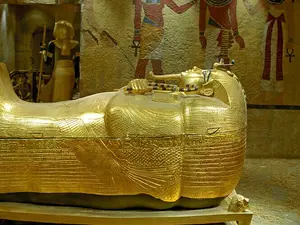
sarcophagus
[sahr-kof-uh-guhs]
a stone coffin, typically adorned with a sculpture or inscription and associated with the ancient civilizations of Egypt, Rome, and Greece

ostensible
[o-sten-suh-buhl]
outwardly appearing as such; professed; pretended
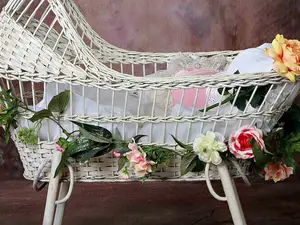
bassinet
[bas-uh-net]
a basket with a hood over one end, for use as a baby's cradle

teeming
[tee-ming]
abounding or swarming with something, as with people
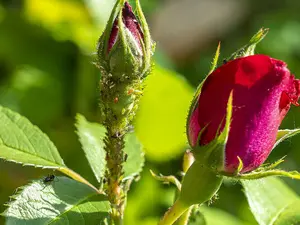
burgeon
[bur-juhn]
a bud

innocuous
[ih-nok-yoo-uhs]
not likely to irritate or offend; inoffensive
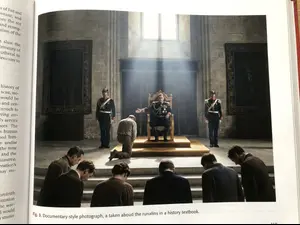
despot
[de-spo-pot]
one who has total power and rules brutally

cybersquatting
[sahy-ber-skwot-ing]
the registration of a commercially valuable internet domain name, as a trademark, with the intention of selling it or profiting from its use