
aerostat
noun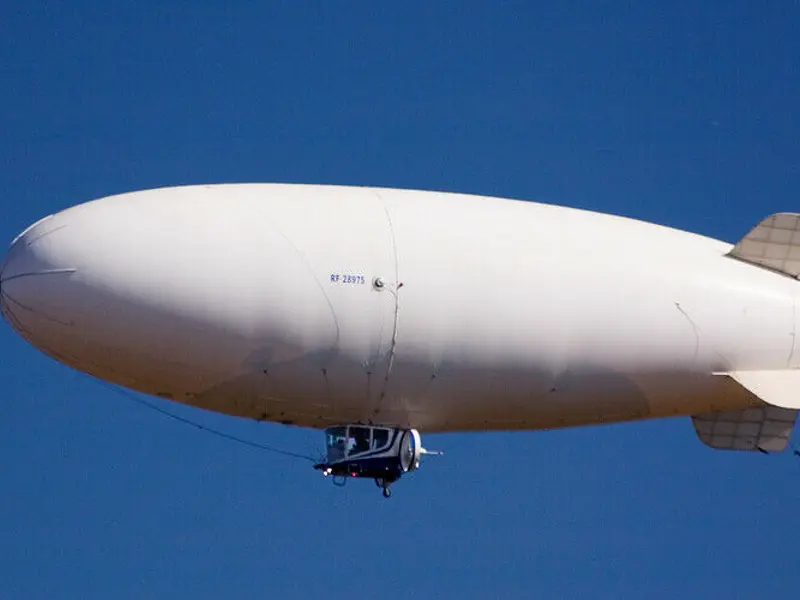
an airship or hot-air balloon, especially one that is tethered
What Makes This Word Tick
An aerostat is a type of aircraft that remains aloft using lighter-than-air gases like helium or hot air. Unlike its flightier cousin, the airplane, which relies on engines for lift, the aerostat floats, charmingly defying gravity with its buoyant gas-filled body.
If Aerostat Were a Person…
Think of the aerostat as that relaxed, easygoing individual who drifts through life without a care. It's like the neighbor who quietly observes the hustle and bustle from the comfort of their porch swing, never rushing, always contemplating.
How This Word Has Changed Over Time
Initially used to describe any lighter-than-air craft, the term "aerostat" has stuck around while other words like “dirigible” and “blimp” came onto the scene. Although we often equate aerostats with peaceful ballooning, they also include moored observation balloons used in military applications.
Old Sayings and Proverbs That Use Aerostat
While aerostats don't float into many old sayings verbatim, their spirit appears in maxims about floating effortlessly or rising above it all. “Going where the wind takes you” could easily capture the aerostat's existence.
Surprising Facts About Aerostat
Did you know that the record for the highest altitude reached by an aerostat is about 113,740 feet? It was set by an unmanned balloon, reaching heights that would make even the soaring eagles envious.
Out and About With This Word
Whether you're watching a hot air balloon festival or spotting a tethered blimp over sports events, aerostats are likely nearby, charming onlookers with their silent grace and majestic views from above.
Pop Culture Moments Where Aerostat Was Used
Hot air balloons, synonymous with aerostats, have floated their way into movies like "Around the World in 80 Days" and "Oz the Great and Powerful," adding an adventurous touch and a hint of wanderlust.
The Word in Literature
While "aerostat" itself might not headline any bestseller lists, the concept floats through classic adventure tales and travelogues that emphasize exploration and the magic of flight.
Moments in History with Aerostat
Picture the early 1800s, when the world first marveled at gas balloons carrying adventurous souls into the heavens. The Montgolfier brothers could have been described as pioneering aeronauts who made aerostats a marvel of their age.
This Word Around the World
In France, home of the first hot air balloon flights, they might say "aérostat." Meanwhile, in Spanish-speaking countries, you may hear "aerostato," a term that subtly shifts but carries its uplifting spirit across borders.
Where Does It Come From?
The word "aerostat" traces its etymological roots to the Greek words "aero," meaning air, and "statos," meaning standing or stationary. It's a fitting name for a craft that elegantly hovers above the earth.
How People Misuse This Word
"Aerostat" can sometimes be mistaken for being synonymous with any flying contraption. However, it's specifically about lighter-than-air crafts that rely on gases, not engines, to glide through the sky.
Words It's Often Confused With
- Dirigible: A type of aerostat but steerable, often confused due to both being lighter-than-air.
- Airship: A powered, navigable aerostat, sometimes inaccurately lumped with all balloon types.
- Blimp: A specific non-rigid airship, often conflated because they fall under the aerostat category.
Additional Synonyms and Antonyms
Synonyms include "balloon," "blimp," and "airship," with antonyms like "airplane" and "glider," which rely on heavier-than-air flight principles.
Want to Try It Out in a Sentence?
As the morning sun rose, the aerostat lifted gently from the field, its colorful balloon contrasting against the brightening sky, promising adventure and a perspective like no other.
Explore more words


douse
[dous]
to splash or throw water or other liquid on; drench

audacious
[aw-dey-shuhs]
showing a willingness to take surprisingly bold risks



bicker
[bik-er]
to engage in petulant or peevish argument; wrangle

apotheosis
[uh-poth-ee-oh-sis]
the elevation or exaltation of a person to the rank of a god


perquisite
[pur-kwuh-zit]
an incidental payment, benefit, privilege, or advantage over and above regular income, salary, or wages

action
[ak-shuhn]
the process of doing something to achieve a goal

desuetude
[des-wi-tood]
the state of being no longer used or practiced

piquant
[pee-kuhnt]
agreeably pungent or sharp in taste or flavor; pleasantly biting or tart

abundant
[uh-buhn-duhnt]
present in great quantity; more than adequate; oversufficient

petulant
[pech-uh-luhnt]
moved to or showing sudden, impatient irritation, especially over some trifling annoyance

chasten
[chey-suhn]
to inflict suffering upon for purposes of moral improvement; chastise

oracle
[awr-uh-kuhl]
a priest or priestess acting as a medium through whom advice or prophecy was sought from the gods in classical antiquity

bathrobe
[bath-rohb]
a loose-fitting garment worn after bathing

execrable
[ek-si-kruh-buhl ]
utterly detestable; abominable; abhorrent

preen
[preen]
(of animals, especially birds) to trim or dress (feathers, fur, etc.) with the beak or tongue

cascade
[kas-keyd]
a waterfall descending over a steep, rocky surface