peremptory
adjective
leaving no opportunity for denial or refusal; imperative
What Makes This Word Tick
"Peremptory" is quite the assertive word, coming into play when someone wants to make a decision final and unchallengeable. It conveys authority and a sense of the immediate, making it perfect for those moments when hesitation is not an option.
If Peremptory Were a Person…
Imagine Peremptory as an old-school headmaster with a penchant for discipline, striding down hallways in a fitted suit, dictating rules with an unwavering voice. There's no room for debate; decisions are delivered with finality and precision.
How This Word Has Changed Over Time
Originally from the Latin word "peremptorius," meaning decisive or deadly, "peremptory" has kept its firm nature. Over time, it's been used more broadly, but its essence of urgency and decisiveness remains intact.
Old Sayings and Proverbs That Use Peremptory
While few age-old proverbs may use "peremptory" directly, you might think of "a word to the wise is sufficient" as a cousin. It's about the impact and finality of what's being communicated.
Surprising Facts About Peremptory
Did you know that in legal contexts, a "peremptory challenge" allows attorneys to reject a certain number of potential jurors without stating a reason? It's a fitting testament to the word's no-questions-asked power.
Out and About With This Word
You might overhear "peremptory" in the boardroom, where a CEO insists on immediate action, or at a town hall, where a speaker puts forth a directive with no room for dissent. It's a word for the bold and the uncompromising.
Pop Culture Moments Where Peremptory Was Used
Characters like Mr. Spock from "Star Trek" often have a peremptory air, where logic and decisive statements drive the action. Even Judge Judy's courtroom rulings carry a touch of peremptory delivery.
The Word in Literature
"Peremptory" often finds itself in the pages of legal thrillers or historical novels where authority and command play pivotal roles. Authors like John Grisham or Hilary Mantel might have a field day applying such a commanding word.
Moments in History with Peremptory
Think of Winston Churchill rallying a nation during WWII with his decisive speeches. Though he may not have used the word, his tone embodied its spirit, demanding attention and action without delay.
This Word Around the World
In France, you might hear "péremptoire," similar in meaning. Globally, peremptory notions exist in many languages, often linked to authority figures who demand compliance without question.
Where Does It Come From?
Tracing back to the Latin "peremptorius," meaning final or decisive, "peremptory" crossed into Middle English to solidify its commanding role in our vocabulary.
How People Misuse This Word
Sometimes people use "peremptory" to mean simply urgent or important, when it really implies authority and finality, not just immediacy.
Words It's Often Confused With
- Preemptive: Both have roots in timing, but while "peremptory" implies authority, "preemptive" suggests acting before something might occur.
- Imperative: Though both can denote urgency, "imperative" focuses more on necessity rather than authoritative finality.
Additional Synonyms and Antonyms
Synonyms include "authoritative," "decisive," and "imperious." Antonyms are "submissive," "yielding," and "flexible."
Want to Try It Out in a Sentence?
In a peremptory tone, the principal announced that the school would close immediately due to the impending storm, leaving no room for debate or delay.
Explore more words

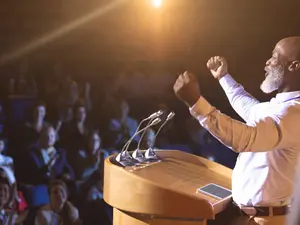
elocution
[el-uh-kyoo-shuhn]
a person's manner of speaking or reading aloud in public
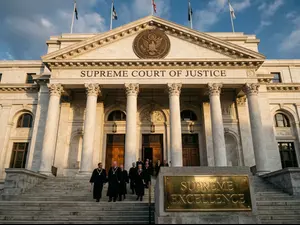
supreme
[soo-preem]
highest in rank, power, or quality


sepulchral
[suh-puhl-kruhl]
relating to a tomb or burial

sullen
[sul-en]
bad-tempered and gloomy


enervated
[en-er-vey-tid]
without vigor, force, or strength; languid

lucent
[loo-sunt]
giving off light; glowing or translucent.

embolden
[im-bohl-duhn]
to give someone the courage or confidence to act

efficacious
[ef-i-key-shuhs]
capable of having the desired result or effect; effective as a means, measure, remedy, etc.

pleonasm
[plee-uh-naz-uhm]
the use of more words than are necessary to express an idea; redundancy
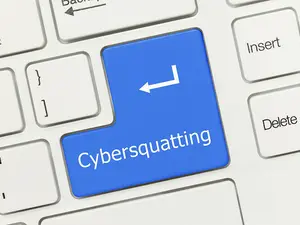
cybersquatting
[sahy-ber-skwot-ing]
the registration of a commercially valuable internet domain name, as a trademark, with the intention of selling it or profiting from its use

enthusiast
[en-thoo-zee-ast]
a person who is highly interested in a particular activity or subject

incurable
[ink-ur-abl-e]
not able to be cured or remedied, often referring to diseases or conditions.