
despot
nounone who has total power and rules brutally
What Makes This Word Tick
A despot is a ruler with absolute power who uses that power harshly or cruelly. The word doesn’t just mean “leader”; it carries a strong judgment about how authority is exercised. Compared with autocrat, despot often emphasizes oppression and fear more directly.
If Despot Were a Person…
Despot would be the person who insists on having the final word in every situation and punishes disagreement. They rule their space with rigid control, expecting obedience rather than discussion. The atmosphere around them feels tense and watchful.
How This Word Has Changed Over Time
Despot has long referred to rulers with unchecked authority, but modern use often sharpens the cruelty aspect. Today, it can also be used figuratively for anyone who dominates unfairly, even in smaller settings.
Old Sayings and Proverbs
Proverb-style wisdom often warns that absolute power can corrupt absolutely, which reflects the idea behind despot. The word captures the fear that unchecked authority may turn harsh or oppressive.
Surprising Facts
Despot originally referred simply to a master or lord, without necessarily implying cruelty. Over time, the negative tone strengthened, so today it almost always signals harsh rule. It’s a word that carries built-in criticism.
Out and About With This Word
You’ll often see despot in political commentary, history discussions, and strong opinion writing. It can also appear playfully in everyday talk to describe someone who acts overly controlling, though the literal meaning is much more serious.
Pop Culture Moments Where Despot Was Used
In pop culture, despots frequently appear as authoritarian villains who silence dissent and demand loyalty. The term fits because it highlights both absolute power and cruelty in leadership.
The Word in Literature
In literature, a despot often serves as the embodiment of unchecked authority, creating conflict through rigid control. Writers use the word to frame a character’s rule as oppressive from the outset, shaping how readers judge their actions.
Moments in History with Despot
The concept of the despot appears in accounts of regimes where power was centralized in one individual and dissent was suppressed. It fits these contexts because the word names both absolute control and its harsh application.
This Word Around the World
Many languages have equivalents for tyrant or absolute ruler, though the nuance of cruelty may vary. Translating despot well requires preserving both the total authority and the oppressive tone.
Where Does It Come From?
Despot comes from Greek despotes, meaning master or lord. Over time in English, the word narrowed to emphasize harsh or oppressive rulers rather than neutral authority figures.
How People Misuse This Word
Despot is sometimes used casually for anyone strict or bossy, but its literal meaning is far stronger, involving absolute power and cruelty. Using it lightly can exaggerate ordinary disagreements.
Words It’s Often Confused With
Despot is often confused with dictator, but dictator can be a formal political title while despot emphasizes cruelty. Tyrant is very close and often interchangeable, though tyrant can stress unjust rule more broadly. Autocrat highlights sole power, while despot stresses oppressive use of that power.
Additional Synonyms and Antonyms
Additional Synonyms: ruler, overlord, authoritarian, monarch Additional Antonyms: egalitarian, advocate, guardian, servant-leader
Want to Try It Out in a Sentence?
"The people lived in fear of the despot who punished even minor disobedience."
Explore more words

11 Dumbest Things Middle-Class Americans Waste Money On
See what to cut →

insouciant
[in-soo-see-uhnt]
free from concern, worry, or anxiety; carefree; nonchalant

palliative
[pal-ee-ey-tiv]
serving to relieve or lessen without curing; mitigate; alleviate

Little-Known Money Hacks That Could Save You Hundreds
Review the list →

Is Staying With the Same Insurer Costing You More?
Explore Your Options →
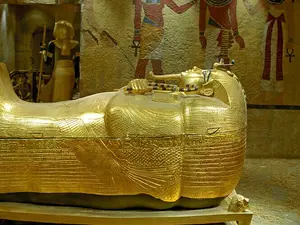
sarcophagus
[sahr-kof-uh-guhs]
a stone coffin, typically adorned with a sculpture or inscription and associated with the ancient civilizations of Egypt, Rome, and Greece
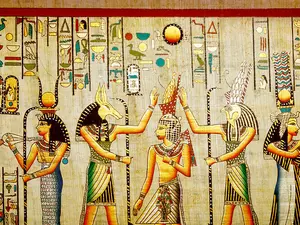
zoomorphic
[zoh-uh-mawr-fik]
characterized by a highly stylized or conventionalized representation of animal forms

These 10 Money Moves Could Save Seniors Hundreds
Read more →

abnegation
[ab-ni-gey-shuhn]
the act of relinquishing or giving up a right, possession, etc.

provident
[prov-i-duhnt]
having or showing foresight; providing carefully for the future

kerfuffle
[kur-fuhf-uhl]
a commotion or fuss

trenchant
[tren-chuhnt]
incisive or keen, as language or a person; caustic; cutting

mesmerizing
[mez-muh-rahy-zing]
completely engrossing; captivating or fascinating

scintillating
[sin-tl-ey-ting]
witty; brilliantly clever

hobnob
[hob-nob]
to associate on very friendly terms (usually followed by 'with')

palindrome
[pal-in-drohm]
a word, line, verse, number, sentence, etc., reading the same backward as forward, as "Madam, I'm Adam" or "Poor Dan is in a droop"