obfuscation
nounthe act or an instance of making something obscure, dark, or difficult to understand
What Makes This Word Tick
Obfuscation is one of those fancy words that sounds like it belongs in a detective novel or a courtroom drama. It's all about making things unclear or confusing, often on purpose. If you've ever wondered why something sounded way more complex than it needed to be, obfuscation might be the culprit.
If Obfuscation Were a Person…
This person would be someone who always speaks in riddles and wears sunglasses indoors to keep you guessing. They thrive on mystery and might just enjoy leading you down a winding path of encrypted secrets.
How This Word Has Changed Over Time
Historically, obfuscation stemmed from Latin roots meaning "to darken." While its core meaning has remained relatively stable, it's now often applied to the digital world, where programmers might obfuscate code to protect intellectual property.
Old Sayings and Proverbs That Use Obfuscation
While there might not be a quaint old saying with "obfuscation" front and center, phrases like "muddy the waters" capture the spirit of intentional confusion. It's the same idea of making something less clear on purpose.
Surprising Facts About Obfuscation
Did you know that obfuscation is a common technique in the software industry? Developers often use it to secure applications by making the code difficult for outsiders to understand and misuse. It's protection through perplexity!
Out and About With This Word
Obfuscation isn't just tech jargon. You'll spot it in politics when officials sometimes use complex language to spin issues without actually revealing much - as clear as mud in a floodlit room!
Pop Culture Moments Where Obfuscation Was Used
The movie "Inception" could be considered a visual representation of obfuscation. With its multiple layers of dreams within dreams, it left audiences delightfully baffled - a perfect blockbuster of purposeful perplexity.
The Word in Literature
Obfuscation finds a cozy home in spy thrillers and mystery novels. Think John le Carré or Agatha Christie, where characters might obfuscate the truth until the climactic reveal. It's a tool for suspense, drawing readers deeper into the plot's tangled web.
Moments in History with Obfuscation
During the Cold War, the art of obfuscation thrived. Intelligence agencies from around the world relied on layers of misdirection and complex coded messages - a real-life chess game where clear intentions were hidden behind smokescreens.
This Word Around the World
Globally, obfuscation takes on different guises. In Japan, "tatemae" refers to the facade or behavior one displays in public, often deliberately masking true feelings - not exactly obfuscation, but a cultural cousin of sorts.
Where Does It Come From?
Obfuscation comes from the Latin word "obfuscare," which means to darken or obscure. Over the years, it has evolved to describe intentional complexity, whether in language or action.
How People Misuse This Word
Obfuscation is sometimes casually used to describe any kind of complexity, but true obfuscation involves an element of intention. It's about deliberately making something unclear, not just encountering a naturally complicated issue.
Words It's Often Confused With
- Confuse: While you might confuse someone without intending to, obfuscation implies purposefulness.
- Complication: A situation that becomes more involved over time differs from purposeful obfuscation.
- Muddle: To mix up without clear order; different from the strategic messiness of obfuscation.
Additional Synonyms and Antonyms
Synonyms include bewilderment, perplexity, and mystification. Its antonyms are clarification and elucidation, highlighting an effort to enhance understanding rather than cloud it.
Want to Try It Out in a Sentence?
In a bid to protect his secret recipe, the chef chose to obfuscate the ingredients list with misleading measurements and vague descriptors.
Explore more words
11 Dumbest Things Middle-Class Americans Waste Money On
See what to cut →

repertory
[rep-er-tawr-ee]
a type of theatrical presentation in which a company presents several works regularly or in alternate sequence in one season

traverse
[trav-ers]
to pass or move over, along, or through

Little-Known Money Hacks That Could Save You Hundreds
Review the list →

Is Staying With the Same Insurer Costing You More?
Explore Your Options →
quirk
[kwurk]
a peculiarity of action, behavior, or personality; mannerism

pivotal
[piv-uh-tl]
of vital or critical importance

These 10 Money Moves Could Save Seniors Hundreds
Read more →
formless
[f-orml-ess]
without a clear shape or structure; amorphous or undefined.

tenable
[ten-uh-buhl]
capable of being held, maintained, or defended, as against attack or dispute

minutia
[mi-noo-shuh]
precise details; small or trifling matters

balif
[bay-lif]
a legal officer to whom some degree of authority is given

banausic
[buh-naw-sik]
serving utilitarian purposes only; mechanical; practical

marital
[mar-i-tl]
of or relating to marriage; conjugal; matrimonial
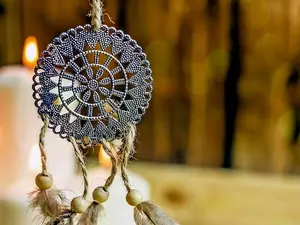
talisman
[tal-is-muhn]
a stone, ring, or other object, engraved with figures or characters supposed to possess occult powers and worn as an amulet or charm

complainer
[k-ompl-ain-er]
a person who frequently expresses dissatisfaction or grievances.