
languor
nounlack of energy or vitality; sluggishness
What Makes This Word Tick
"Languor" is like a gentle sigh caught in a word. It's that pleasant, almost luxurious feeling of tiredness-think of a lazy afternoon spent dozing in a hammock, a soft haze filtering through your mind. This word captures the kind of weariness that isn't about exhaustion but more about a dreamy contentment.
If Languor Were a Person…
Imagine a dreamy poet in a sun-drenched garden, book half-open, absorbing the tranquility around them. Draped in a comfy sweater, this person's pace is leisurely, never rushed, savoring every moment like the warm embrace of a late-summer sunbeam.
How This Word Has Changed Over Time
Though "languor" still often references a delightful type of laziness or tranquility, it once had stronger ties to weakness or illness. Over the years, it shed some of its heavier burdens, becoming more associated with leisure than lethargy.
Old Sayings and Proverbs That Use Languor
While there aren't many proverbs that use "languor" directly, the essence of it has been embraced in phrases that discuss the charms of taking life at a slower pace. "A lazy hazy afternoon" might capture a similar sentiment.
Surprising Facts About Languor
Did you know "languor" shares roots with the word "lingering"? Both derive from Latin, capturing different shades of the same lackadaisical spirit. It's a reminder that sometimes the best moments in life are those we let linger on.
Out and About With This Word
You might find "languor" on a menu at an upscale spa, later inspiring you to book a treatment that's as soothing as this word implies. It's right at home in the language of relaxation, redefining indulgence.
Pop Culture Moments Where Languor Was Used
"Languor" often wafts through scenes in period dramas-a long, languorous gaze at a ball, or the decadent relaxation in a stately home. Even in modern films, a protagonist might embrace languor in a moment of introspection or pause.
The Word in Literature
In literature, "languor" often appears in lush, descriptive passages, where time slows and characters reflect. Think of it as a literary deep breath, placed strategically in novels where atmosphere takes center stage.
Moments in History with Languor
The courtly lives during the Regency era likely embraced languor, as socialites constructed their days around leisure, mixing business and pleasure without haste. It's easy to imagine this word describing the pace of life at a little more sedate time in history.
This Word Around the World
In French, "langueur" carries a similar meaning and equally charming elegance. Across cultures, the concepts of leisure and relaxation are often tinged with languor, though phrases and practices may vary widely from siestas in Spain to hygge in Denmark.
Where Does It Come From?
"Languor" traces back to the Latin "languor," meaning faintness or sluggishness. The evolution of its meaning over centuries shows how language softens the edges and transforms a once negative connotation into something quite delightful.
How People Misuse This Word
Sometimes, people use "languor" when they mean "lethargy," but the latter is far less pleasant. "Languor" evokes a peaceful slowness, not a debilitating or unwilling inactivity.
Words It's Often Confused With
- Lethargy: Indicates inactivity due to lack of energy, not the pleasant tiredness of languor.
- Fatigue: Refers to extreme tiredness from exertion, lacking the pleasurable connotation of languor.
- Torpor: Also suggests inactivity but usually lacks the peaceful quality of languor.
Additional Synonyms and Antonyms
Synonyms for "languor" include "indolence," "leisure," and "dreaminess." Antonyms might be "vigor," "vivacity," and "enthusiasm."
Want to Try It Out in a Sentence?
After a long week, Jana embraced the languor of a Sunday morning, allowing the day to unfold without any agenda beyond enjoying the gentle rhythm of doing nothing at all.
Explore more words

11 Dumbest Things Middle-Class Americans Waste Money On
See what to cut →

ensorcell
[en-sawr-suhl]
to bewitch, charm, or enchant

versatile
[vur-suh-tl]
capable of or adapted for turning easily from one to another of various tasks, fields of endeavor, etc.

Little-Known Money Hacks That Could Save You Hundreds
Review the list →

Is Staying With the Same Insurer Costing You More?
Explore Your Options →

efficacious
[ef-i-key-shuhs]
capable of having the desired result or effect; effective as a means, measure, remedy, etc.

disheveled
[dih-shev-uhld]
hanging loosely or in disorder; unkempt

These 10 Money Moves Could Save Seniors Hundreds
Read more →

aphelion
[uh-fee-lee-uhn]
the point farthest from the sun in the path of an orbiting celestial body (such as a planet)

disquieting
[dis-kwahy-i-ting]
causing anxiety or uneasiness; disturbing

caveat
[k-av-eat]
a warning or condition attached to an agreement or statement.
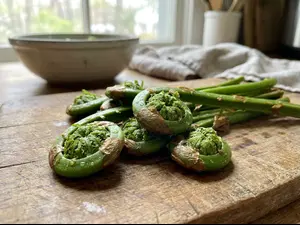
fiddlehead
[fid-l-hed]
one of the young unfurling fronds of certain ferns that are often eaten as greens.

memo
[mem-oh]
a short written message, often within an organization
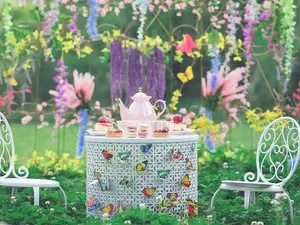
whimsical
[hwim-zi-kuhl]
given to whimsy, capricious humor, excessively playful expression, or fanciful notions; capricious

bad luck
[bad luhk]
an unfortunate event or series of events

milquetoast
[milk-tohst]
a very timid, unassertive, spineless person, especially one who is easily dominated or intimidated

rigmarole
[rig-muh-rohl]
confused, incoherent, foolish, or meaningless talk

conundrum
[kuh-nuhn-druhm]
a confusing and difficult problem or question

operation
[op-er-ashun]
the process of functioning or performing work; also refers to a surgical procedure.

regale
[ri-geyl]
to entertain lavishly or agreeably; to delight