nonchalant
adjectivecoolly unconcerned, indifferent, or unexcited; casual
What Makes This Word Tick
The charm of "nonchalant" is in its breezy confidence. It means to be coolly unconcerned or indifferent, an attitude that can carry an air of sophistication or, sometimes, a hint of dismissiveness. It's like having an inner James Bond-unfazed and unflappable no matter what life throws your way.
If Nonchalant Were a Person…
Nonchalant would be that guy at the party who effortlessly navigates conversations while holding a perfectly balanced martini. He's the person who never seems stressed, floating through life with a calm demeanor and a devil-may-care attitude. Nothing ruffles his feathers, and he always remembers everyone's name.
How This Word Has Changed Over Time
Initially borrowed from the French word "nonchalant," meaning indifferent or careless, it entered English usage in the mid-18th century. Back then, the foreign flair added a sophisticated touch. Over time, "nonchalant" carved out its niche as a word to describe someone who's just too cool to sweat the small stuff.
Old Sayings and Proverbs That Use Nonchalant
While you won't find ancient proverbs featuring "nonchalant," the concept has always been valued. Expressions like "keep calm and carry on" embody the nonchalant spirit, promoting a steadfast composure in the face of adversity.
Surprising Facts About Nonchalant
Did you know that "nonchalant" shares roots with the word "calenture," an archaic term for fever? Both words suggest warmth-one for its literal meaning, the other for its ability to remain calm under pressure.
Out and About With This Word
In the social scenes of Hollywood, "nonchalant" is practically a must-have accessory. From the red carpet to behind-the-scenes interviews, celebrities frequently strive for that perfect balance of being approachable yet unimpressed.
Pop Culture Moments Where Nonchalant Was Used
The quintessential nonchalant character has to be Ferris Bueller from "Ferris Bueller's Day Off." His humor and lack of concern about skipping school perfectly illustrate the laid-back nature of the word.
The Word in Literature
"Nonchalant" authors, like Ernest Hemingway, infused this attitude into their minimalist writing style. In Hemingway's novels, characters often face tense situations with a seemingly casual indifference, making their experiences all the more compelling.
Moments in History with Nonchalant
Think of Winston Churchill during World War II-often depicted with a cigar in hand, exuding calm confidence even in dire moments. His nonchalant demeanor was a symbol of resilience and determination.
This Word Around the World
In French, where the word originated, "nonchalant" carries the same sense of relaxed indifference. However, in Italian, a similar phrase might be "con calma," translating to "with calmness," underscoring a relaxed approach to life's chaos.
Where Does It Come From?
"Nonchalant" hails from the French verb "nonchaloir," meaning "to disregard" or "to be indifferent." The prefix "non-" means "not," and "chalant" comes from "chaloir," meaning "to be concerned." So, it's quite literally about not being concerned.
How People Misuse This Word
Sometimes, "nonchalant" is wrongly used to mean "lazy" or "disinterested." Being nonchalant doesn't imply a lack of interest; rather, it suggests a composed and carefree attitude.
Words It's Often Confused With
- Apathetic: Suggests a lack of interest or emotion, often without the cool factor.
- Indifferent: This word can imply neutrality rather than the poised calm of nonchalance.
- Unflappable: Synonymous in spirit but often used in high-pressure contexts.
Additional Synonyms and Antonyms
Synonyms for "nonchalant" include casual, unconcerned, and serene. Antonyms might be anxious, concerned, or uptight.
Want to Try It Out in a Sentence?
"Despite the chaos around him, Gerald remained nonchalant, sipping his coffee as though nothing was amiss."
Explore more words

11 Dumbest Things Middle-Class Americans Waste Money On
See what to cut →

sullen
[sul-en]
bad-tempered and gloomy

comminatory
[kom-uh-ney-tuh-ree]
a threat of punishment or vengeance

Little-Known Money Hacks That Could Save You Hundreds
Review the list →

Is Staying With the Same Insurer Costing You More?
Explore Your Options →
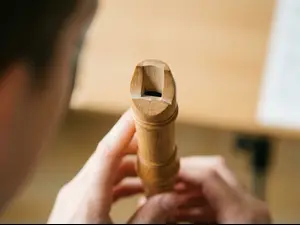
fipple
[fip-uhl]
a plug stopping the upper end of a pipe, as a recorder or a whistle, and having a narrow slit through which the player blows

nettle
[net-ul]
to irritate or provoke someone

These 10 Money Moves Could Save Seniors Hundreds
Read more →

melancholia
[mel-uhn-koh-lee-uh]
a mental condition characterized by great depression of spirits and gloomy forebodings
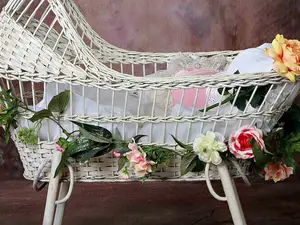
bassinet
[bas-uh-net]
a basket with a hood over one end, for use as a baby's cradle

morbid
[mawr-bid]
relating to or appealing to abnormal or disturbing subjects

picayune
[pik-uh-yoon]
petty, trivial, or of little importance
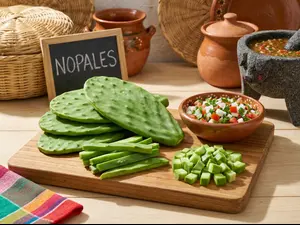
nopales
[noh-pah-les]
young tender stem segments of the prickly pear cactus that are used as food.
ambivalent
[am-biv-uh-lent]
having mixed or contradictory feelings about something

picturesque
[pik-chuh-resk]
virtually charming or quaint, as if resembling or suitable for a painting

teeming
[tee-ming]
abounding or swarming with something, as with people

logophile
[law-guh-fahyl]
a lover of words

askance
[uh-skans]
with suspicion, mistrust, or disapproval
tocsin
[tok-sin]
a signal, especially of alarm, sounded on a bell or bells

bivouac
[biv-oo-ak]
a military encampment made with tents or improvised shelters, usually without shelter or protection from enemy fire