
picturesque
adjective, adjective(of writing, speech, etc.) strikingly graphic or vivid; creating detailed mental images virtually charming or quaint, as if resembling or suitable for a painting
What Makes This Word Tick
"Picturesque" is a word that's endearingly visual, calling to mind charming scenes worthy of a painter's brush. It's the sort of word that makes you pause, almost able to see a rustic village, blooming field, or captivating coastline in your mind's eye. With its origins in the realm of the arts, "picturesque" carries with it an allure, suggesting a natural beauty that's artfully striking yet effortlessly serene.
If Picturesque Were a Person…
Imagine "picturesque" as that friend who's always beautifully put together, yet somehow makes it look easy. They have a knack for spotting beauty in unexpected places, delighting in life's small, visual pleasures. They're the kind of person who'd suggest a spontaneous drive through the countryside just to catch a stunning sunset-or the one who insists on capturing a day's memories in a vintage Polaroid.
How This Word Has Changed Over Time
Originally tied closely to the art world during the 18th century, "picturesque" described landscapes that were as pleasing to the eye as a painting. Over time, its use broadened beyond art criticism to everyday speech. Now, it's an affectionate adjective for anything from charming gardens to scenic drives, having shed some of its elitist artistic roots for a more democratic appreciation of aesthetic beauty.
Old Sayings and Proverbs That Use Picturesque
While there aren't ancient proverbs specifically for "picturesque," the sentiment aligns beautifully with the idea that "a picture is worth a thousand words." It captures the essence of visuals speaking volumes in silence-a sentiment as old as art itself.
Surprising Facts About Picturesque
Did you know the heyday of picturesque landscapes in English culture peaked during the late 18th century? It played a crucial role in garden design, influencing the English landscape garden style-transforming once formal arrangements into naturalistic settings. This pursuit of "roughness" and "variety" was considered more authentically beautiful, capturing a raw charm.
Out and About With This Word
"Picturesque" has a way of turning up in travel brochures, real estate listings, and enthusiastically positive social media posts. It helps set the scene, offering a taste of what awaits visitors to a scenic village, a charming locale, or a quaint hidden nook that's just begging to be explored.
Pop Culture Moments Where Picturesque Was Used
While "picturesque" might not be a headline-stealer in films or music, it lingers in dialogues where settings become characters themselves. Movies like "Under the Tuscan Sun" or "Call Me By Your Name" evoke this word's essence, with winding roads and sun-dappled vineyards creating visually rich backdrops.
The Word in Literature
In literature, "picturesque" finds itself at home within travel writing, descriptive passages, and historical novels. Eighteenth-century writers like William Gilpin championed the term, as he critiqued landscapes peppered through his picturesque tours of England. It's an adjective that gives life to novelists' descriptions, painting settings with an evocative brush.
Moments in History with Picturesque
During the landscape movement in 18th-century Britain, the "picturesque" revolutionized garden design and aesthetics. An emphasis on the beauty of rugged, natural elements sparked debates among those who favored the formal, manicured styles of the past. It was a cultural shift towards embracing imperfection as a form of beauty.
This Word Around the World
The concept of "picturesque" exists globally, though cultural equivalents may vary. The Japanese term "shakkei," meaning "borrowed scenery," aligns nicely, where landscapes are integrated into garden design. Each culture has its lens through which natural beauty is appreciated and depicted.
Where Does It Come From?
"Picturesque" traces its origins to the Italian word "pittoresco," meaning "in the manner of a painter." It first entered English in the 18th century, primarily within the context of art and nature, capturing scenes that resembled or inspired paintings.
How People Misuse This Word
At times, "picturesque" gets tossed around casually to describe any attractive scene, even when the structured beauty it suggests isn't quite there. It's often used as a catch-all for anything vaguely scenic, losing its nuanced flair when overused.
Words It's Often Confused With
- Scenic: Often used interchangeably, "scenic" broadly captures any pleasing view, while "picturesque" carries a more crafted artistic nuance.
- Charming: While capturing the allure of a place, "charming" lacks the visual depth that "picturesque" implies.
- Idyllic: This evokes tranquility and perfection but doesn't necessarily describe visual appeal tied to artistry.
Additional Synonyms and Antonyms
Synonyms for "picturesque" include scenic, charming, and photogenic. Its antonyms might be unattractive, dull, or plain, words that don't align with any sort of visual or aesthetic appeal.
Want to Try It Out in a Sentence?
Spend an afternoon wandering through the picturesque lanes of the old town, where each turn reveals a scene more enchanting than the last.
Explore more words

11 Dumbest Things Middle-Class Americans Waste Money On
See what to cut →

obnubilate
[ob-noo-buh-leyt]
to cloud over; becloud; obscure
aggrandize
[ag-ruhn-dahyz]
to make something appear greater

Little-Known Money Hacks That Could Save You Hundreds
Review the list →

Is Staying With the Same Insurer Costing You More?
Explore Your Options →
syrup
[sir-up]
a thick, sweet liquid often used in cooking or drinks
tawdry
[taw-dree]
of little value; gaudy

These 10 Money Moves Could Save Seniors Hundreds
Read more →

acquiesce
[ak-wee-es]
to accept something reluctantly but without protest
antithesis
[an-tith-uh-sis]
opposition; contrast

zealot
[zel-uht]
a person who is fanatical and uncompromising in pursuit of their religious, political, or other ideals

vignette
[vin-yet]
an engraving, drawing, photograph, or the like that is shaded off gradually at the edges so as to leave no definite line at the border
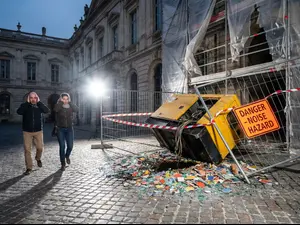
jarring
[jar-ing]
incongruous or discordant in nature; producing a harsh, unpleasant, or discordant sound or effect.

ensconce
[en-skons]
to settle securely or snugly; to cover or shelter; hide securely
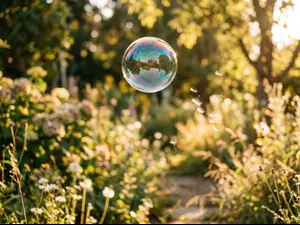
ephemeral
[ih-fem-er-uhl]
lasting a very short time; short-lived; transitory
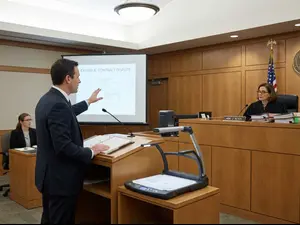
case
[k-as-e]
a container or situation designed for a specific purpose; also refers to an instance or example.