
comport
verbto bear or conduct (oneself); behave
What Makes This Word Tick
"Comport" may sound like a high-society term, fitting perfectly in the dialogue of an old English drama. It means to behave in a manner that's dignified or mannerly. It's all about how one conducts themselves, making it a favorite word for those with a penchant for etiquette and social graces.
If Comport Were a Person…
If "comport" were to walk into a room, it would glide in confidently, exuding poise and polish. With a firm handshake and a gracious smile, Comport would be the kind of person whose presence alone elevates the atmosphere. This person would thrive at afternoon teas or any gathering where decorum is the order of the day.
How This Word Has Changed Over Time
Originally hailing from the Latin word "comportare," which means "to bring together," the influence of "comport" strayed from physical objects to the intangible art of behavior. Over the ages, it retains its charm as a mark of grace and dignity, evolving to accommodate the nuanced meanings of conduct.
Old Sayings and Proverbs That Use Comport
While "comport" itself might not star in many old chestnuts, it certainly aligns with adages about good behavior. Picture "manners maketh the man" or its ilk as comfortable settings for "comport" to parade its nuanced significance.
Surprising Facts About Comport
One might be surprised to learn that "comport" doesn't just apply to people. It can also refer to objects that fit or go well together. Think of patterns in a fabric that comport with stylish design, showcasing its versatility beyond the human realm.
Out and About With This Word
In the world of social interactions, "comport" finds regular usage in legal and formal documents, where sound behavior isn't just expected-it's required. Judges might use this verb in courtrooms, reminding participants to comport themselves accordingly.
Pop Culture Moments Where Comport Was Used
While "comport" may not be a frequent flyer in today's pop culture dialogues, it's just the sort of term you'd expect to hear in a period drama or read in historical fiction. Perhaps it's mentioned in a quippy exchange in a movie where strict etiquette is humorously blurred.
The Word in Literature
In literature, "comport" aligns with classics where behavior is scrutinized as part of societal themes. Authors like Jane Austen might have effortlessly woven it into tales where every glance and gesture had the power to alter destinies.
Moments in History with Comport
Imagine speeches on grand stages where leaders implored their teams to comport themselves with decorum. Historical contexts like the signing of treaties or crucial peace talks are where the spirit of "comport" would have been most poignant.
This Word Around the World
"Comport" has its equivalents in many languages, each embracing the notion of dignified behavior. In French, you might hear "comporter" which holds prowess in both behavior and mathematical expressions to boot!
Where Does It Come From?
From Latin to Old French and eventually English, "comport" traveled through the ages, carrying with it the essence of bringing things together-whether physically or metaphorically-to arrive at today's behavioral context.
How People Misuse This Word
Some may mistakenly interpret "comport" as simply "comfort" due to phonetic similarities, overlooking its association with proper behavior. It's less about relaxation and more about presentation.
Words It's Often Confused With
- Comfort: Eases distress, but doesn't imply behavior.
- Compose: Involves arranging or creating, not specifically behaving.
- Deport: Relates to the removal of individuals or oneself, but doesn't capture the subtlety of demeanor.
Additional Synonyms and Antonyms
For synonyms, consider "behave," "conduct," or "demeanor." An antonym might be "misbehave," which does the opposite of comport's dignified stand.
Want to Try It Out in a Sentence?
During the formal banquet, she made sure to comport herself with utmost elegance, impressing all the distinguished guests with her grace.
Explore more words
11 Dumbest Things Middle-Class Americans Waste Money On
See what to cut →
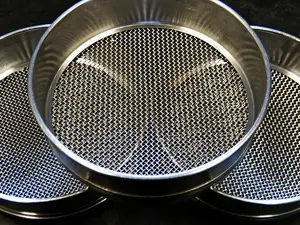
sieve
[siv]
an instrument with a meshed or perforated bottom for straining liquids

riposte
[ri-pohst]
a quick, clever reply to an insult or criticism

Little-Known Money Hacks That Could Save You Hundreds
Review the list →

Is Staying With the Same Insurer Costing You More?
Explore Your Options →

nonchalant
[non-shuh-lahnt]
coolly unconcerned, indifferent, or unexcited; casual

magnificent
[mag-nif-i-sent]
extremely beautiful, impressive, or excellent

These 10 Money Moves Could Save Seniors Hundreds
Read more →

porphyry
[pawr-fuh-ree]
any igneous rock containing coarse crystals, as phenocrysts, in a finer-grained groundmass

gormless
[gawrm-lis]
lacking in vitality or intelligence; stupid, dull, or clumsy

imbibe
[im-bahyb]
to consume (liquids) by drinking; drink

complainer
[k-ompl-ain-er]
a person who frequently expresses dissatisfaction or grievances.

bereft
[bih-reft]
deprived

cache
[kash]
a hiding place, especially one in the ground, for ammunition, food, treasures, etc.

perpetuate
[per-pech-oo-eyt]
to enable or allow the continuation of into the future; keep alive (used most often in reference to something considered harmful or false)
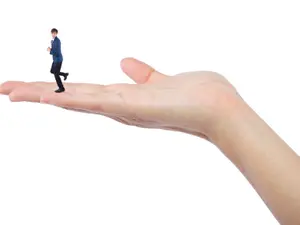
picayune
[pik-uh-yoon]
petty, trivial, or of little importance

ichor
[ahy-kawr]
from Classical Mythology: the blood of the gods
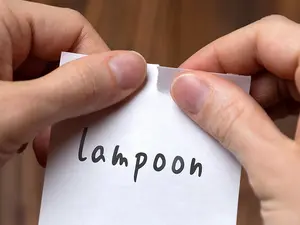
lampoon
[lam-poon]
publicly criticize (someone or something) by using ridicule, irony, or sarcasm

whir
[wh-ir]
a soft, continuous sound made by something in motion, such as machinery.

embarcadero
[em-bahr-kuh-dair-oh]
a pier, wharf, or landing place