
integrate
verbto bring together or incorporate (parts) into a whole
What Makes This Word Tick
The word "integrate" is all about bringing things together into a whole. It's like the social butterfly of vocabulary, encouraging parts to mingle and form something cohesive. This action-oriented word appeals to problem-solvers and team players alike, as it suggests a unifying, productive motion.
If Integrate Were a Person…
Imagine someone who thrives on inclusion, constantly striving to make others feel part of the community. Always curious, they bridge gaps and bring different groups together, whether it's at a neighborhood potluck or an office meeting. They might have a knack for jigsaw puzzles and making sure everyone feels like a piece that fits!
How This Word Has Changed Over Time
"Integrate" has stayed remarkably true to its roots. Stemming from the Latin "integrare," meaning to make whole, it still embodies wholeness and inclusion. Over the centuries, it's been embraced in social, scientific, and mathematical contexts, consistently embodying the spirit of cohesion.
Old Sayings and Proverbs That Use Integrate
While "integrate" isn't typically featured in age-old proverbs, its essence is akin to the wisdom of "the more, the merrier" and the classic "united we stand." Both emphasize strength and happiness in togetherness, fitting allies for "integrate."
Surprising Facts About Integrate
Did you know "integrate" plays a pivotal role in mathematics? The integration process helps calculate areas under curves-unifying otherwise disparate points into a cohesive whole! Modern technology, too, owes much to integration when combining diverse systems into streamlined networks.
Out and About With This Word
From tech conferences to cooking classes, "integrate" is quite the globetrotter! In urban planning, it guides the blend of old and new architectures. In education, it's the mantra for inclusive practices, ensuring students of all backgrounds learn together.
Pop Culture Moments Where Integrate Was Used
In the pop culture realm, "integrate" often pops up in discussions about technology, like when Tony Stark integrates new tech into his Iron Man suit. It's a favorite in science fiction, where merging alien and human technologies can save the day!
The Word in Literature
"Integrate" finds a home in literature focusing on social change and inclusivity. It's a powerful verb in works that tackle integration within societies, as seen in novels exploring school desegregation or the blending of cultures in modern cities.
Moments in History with Integrate
The Civil Rights Movement in the United States warmly embraced "integrate." As schools and public spaces moved towards desegregation, the push to integrate was both literal and symbolic-embodying the hope for unity and equality.
This Word Around the World
Around the globe, "integrate" finds its counterparts in processes like "solidaridad" in Spanish, where societal integration is a harmonious mission. In Japanese, "tōgō" reflects both technological and social integration, showcasing the word's cross-cultural importance.
Where Does It Come From?
Originating from the Latin word "integrare," the journey of "integrate" through the ages reflects its foundational meaning of restoring wholeness. Whether in physics equations or community projects, this word's essence is deeply rooted in unity.
How People Misuse This Word
"Integrate" sometimes gets confused with "assimilate," though the latter suggests absorbing people into a dominant culture, potentially losing uniqueness. "Integrate" implies combining entities while respecting individual identities-a subtle but crucial distinction.
Words It's Often Confused With
- Assimilate: Often used interchangeably, but assimilate suggests losing original identities.
- Combine: While similar, combine doesn't always imply forming a cohesive or functional whole.
- Incorporate: Though close, incorporate is more about adding in part rather than creating unity.
Additional Synonyms and Antonyms
Synonyms for "integrate" include unify, mesh, and blend. Antonyms showcase its opposite spirit with words like segregate, separate, and isolate.
Want to Try It Out in a Sentence?
Let's integrate classic recipes into our modern menu, offering nostalgic taste with a contemporary twist!
Explore more words
11 Dumbest Things Middle-Class Americans Waste Money On
See what to cut →

funny
[f-unny]
causing amusement or laughter; also used to describe something strange or unusual.

sepulchral
[suh-puhl-kruhl]
gloomy; dismal

Little-Known Money Hacks That Could Save You Hundreds
Review the list →

Is Staying With the Same Insurer Costing You More?
Explore Your Options →

monody
[mon-uh-dee]
a lament or dirge, especially in music

guffaw
[guh-faw]
to laugh loudly and boisterously

These 10 Money Moves Could Save Seniors Hundreds
Read more →

gallop
[gal-uhp]
to run rapidly by leaps, as a horse; go at a gallop

abundant
[uh-buhn-duhnt]
present in great quantity; more than adequate; oversufficient

superior
[soo-peer-ee-er]
notably excellent of its kind; surpassingly good.
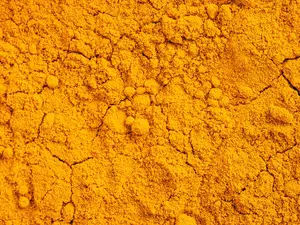
ocher
[oh-ker]
any of a class of natural earths, mixtures of hydrated oxide of iron with various earthy materials, ranging in color from pale yellow to orange and red, and used as pigments

affluent
[af-loo-uhnt]
having an abundance of wealth, property, or other material goods; prosperous; rich

demarcate
[dih-mahr-keyt]
to determine or mark off the boundaries or limits of

balif
[bay-lif]
a legal officer to whom some degree of authority is given

innovative
[in-uh-vey-tiv]
tending to innovate, or introduce something new or different; characterized by innovation

obsequious
[uhb-see-kwee-uhs]
characterized by or showing servile obedience and excessive eagerness to please; deferential; fawning:

torque
[tawrk]
the ability of an element that rotates, like a gear or shift, to overcome resistance

arable
[ar-uh-buhl]
capable of producing crops; suitable for farming; suited to the plow and for tillage
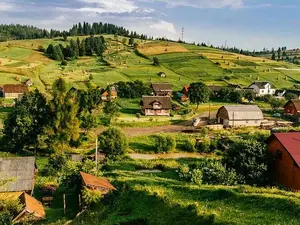
picturesque
[pik-chuh-resk]
virtually charming or quaint, as if resembling or suitable for a painting