picayune
adjectivepetty, trivial, or of little importance
What Makes This Word Tick
Picayune describes something too small or trivial to deserve much attention. It often carries a critical tone, as if someone is focusing on a tiny matter while larger issues remain. The word sounds unusual, which makes the smallness stand out.
If Picayune Were a Person…
Picayune would stop the whole meeting to object to the color of one paperclip. They would not be wrong that the detail exists. They would be wrong about how much it matters.
How This Word Has Changed Over Time
Picayune comes from French picaillon, meaning a small coin, possibly of Provencal origin. That money background helps explain the sense of small value. In modern English, picayune means petty, trivial, or of little importance.
Old Sayings and Proverbs
Picayune is not commonly found in traditional proverbs, but its meaning fits old warnings about small concerns. An imagined proverb-like line might be: "A picayune worry can steal a grand hour." It suggests that tiny concerns can waste attention.
Surprising Facts
Picayune is stronger than small because it judges importance. A small detail may be crucial, but a picayune detail is not. The word is useful when a concern feels too minor for the energy spent on it.
Out and About With This Word
You can use picayune for complaints, rules, objections, expenses, details, and arguments. It fits meetings, contracts, school committees, and household disputes. Use it when the matter feels too trivial to deserve the focus.
Pop Culture Moments Where Picayune Was Used
It would fit naturally alongside The Office, where tiny workplace disputes can take up far too much attention. It also suits Parks and Recreation, where small rules and local details can become bigger than expected. In both cases, picayune describes concerns that feel petty or trivial.
The Word in Literature
In literature, picayune suits characters who obsess over minor details. It can describe a complaint, rule, correction, or social slight that seems small beside the larger story. The word gives triviality a precise, old-fashioned sound.
Moments in History with Picayune
In a town council meeting, court filing room, or committee table, picayune can describe minor objections that distract from larger decisions. The setting makes scale important. The word keeps attention on what is too small to carry much weight.
This Word Around the World
Many languages have words for petty or trivial concerns. Picayune gives English a distinctive word for matters of little importance. It is useful when smallness becomes the point.
Where Does It Come From?
Picayune was borrowed from French picaillon, meaning "small coin," possibly of Provencal origin. That origin explains the idea of low value. In modern English, picayune means petty, trivial, or of little importance.
How People Misuse This Word
Picayune should not be used for every detail. Some small details are important. Picayune works best when the detail is truly petty, trivial, or not worth much attention.
Words It's Often Confused With
Picayune can be confused with precise, but precision can be valuable. It can also overlap with petty, though picayune often sounds more formal and unusual. The word judges importance, not size alone.
Additional Synonyms and Antonyms
Additional synonyms: small-time, inconsequential, negligible, nitpicky Additional antonyms: major, meaningful, serious, weighty
Want to Try It Out in a Sentence?
Her complaint about the seating arrangement seemed picayune compared to larger issues.
Explore more words
11 Dumbest Things Middle-Class Americans Waste Money On
See what to cut →

lambaste
[lam-bast]
to criticize harshly

perpetuate
[per-pech-oo-eyt]
to enable or allow the continuation of into the future; keep alive (used most often in reference to something considered harmful or false)

Little-Known Money Hacks That Could Save You Hundreds
Review the list →

Is Staying With the Same Insurer Costing You More?
Explore Your Options →

phoenix
[fee-niks]
a mythical bird that regenerates or is reborn from its ashes.

insist
[in-sist]
to state something firmly or demand that something happens

These 10 Money Moves Could Save Seniors Hundreds
Read more →

audit
[aw-dit]
an official inspection of accounts or records

querulous
[kwer-uh-luhs]
full of complaints; complaining

scoundrel
[sk-oundr-el]
a dishonest or morally corrupt person.

belabor
[bih-ley-ber]
to argue or elaborate on something in excessive detail

exciting
[eksk-it-ing]
causing enthusiasm, interest, or exhilaration.

balif
[bay-lif]
a legal officer to whom some degree of authority is given

moot
[moot]
of little or no practical value, meaning, or relevance; purely academic

enervated
[en-er-vey-tid]
without vigor, force, or strength; languid
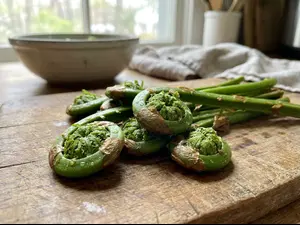
fiddlehead
[fid-l-hed]
one of the young unfurling fronds of certain ferns that are often eaten as greens.

treatise
[tree-tis]
a formal and systematic exposition in writing of the principles of a subject, generally longer and more detailed than an essay

mollycoddle
[mol-ee-kod-l]
to coddle; pamper

betrothed
[bih-trohthd]
engaged to be married