prate
verbto talk foolishly or at length about trivial matters
What Makes This Word Tick
Prate means to talk on and on about things that do not deserve so much speech. It often suggests foolishness, emptiness, or trivial subject matter. The word makes long talk sound tiresome rather than impressive.
If Prate Were a Person…
Prate would begin with one small story and still be talking after everyone had checked the clock. They would not notice the room growing quiet. Their words would multiply without gaining weight.
How This Word Has Changed Over Time
Prate comes from Middle Dutch praten, meaning "to chatter," and entered English with the sense of meaningless talk. That background still fits the modern word. To prate is to talk foolishly or too long about trivial matters.
Old Sayings and Proverbs
Prate is not commonly found in everyday proverbs, but its meaning fits old warnings about empty speech. An imagined proverb-like line might be: "Those who prate all morning leave wisdom no chair." It suggests that too much foolish talk can crowd out sense.
Surprising Facts
Prate is not just talk. It is talk that seems foolish, trivial, or excessive. The word judges both the length of speech and the value of what is being said.
Out and About With This Word
You can use prate for speeches, boasts, lectures, gossip, and conversations that wander too long. It fits dinner tables, meetings, classrooms, and comic scenes. Use it when someone talks at length without much substance.
Pop Culture Moments Where Prate Was Used
It would fit naturally alongside The Office, where long, pointless speeches can turn ordinary meetings into comedy. It also suits Alice in Wonderland, where talk can become strange, circular, and full of nonsense. In both cases, prate describes speech that goes on foolishly about little of value.
The Word in Literature
In literature, prate suits characters who fill pages with trivial chatter. It can reveal vanity, foolishness, or lack of self-awareness. The word gives empty talk an old-fashioned sting.
Moments in History with Prate
In a coffeehouse, public meeting, or crowded tavern, prate can describe someone talking at length about trivial matters. The setting makes the talk public and tiring. The word keeps attention on speech without substance.
This Word Around the World
Many languages have words for chatter, babble, or empty talk. Prate gives English a concise verb with an old-fashioned edge. It is useful when someone talks too much and says too little.
Where Does It Come From?
Prate comes from Middle Dutch praten, meaning "to chatter," and is used to indicate meaningless talk. That origin explains the word's connection to excessive speech. In modern English, prate means to talk foolishly or at length about trivial matters.
How People Misuse This Word
Prate should not be used for every long conversation. A detailed explanation can be useful. Prate works best when the talk is foolish, trivial, or needlessly long.
Words It's Often Confused With
Prate can be confused with chatter, but chatter can be friendly or neutral. It can also overlap with ramble, though prate more clearly judges the talk as foolish. The word criticizes empty speech.
Additional Synonyms and Antonyms
Additional synonyms: blather, go on, yak, talk nonsense Additional antonyms: keep quiet, attend, hear out, speak briefly
Want to Try It Out in a Sentence?
He would prate on endlessly about his achievements, often boring his audience.
Explore more words

11 Dumbest Things Middle-Class Americans Waste Money On
See what to cut →

spiral
[spy-ral]
winding in a continuous curve around a central axis

bamboozle
[bam-boo-zuhl]
to deceive or get the better of (someone) by trickery, flattery, or the like

Little-Known Money Hacks That Could Save You Hundreds
Review the list →

Is Staying With the Same Insurer Costing You More?
Explore Your Options →

fiddlehead
[fid-l-hed]
one of the young unfurling fronds of certain ferns that are often eaten as greens.

elicit
[ih-lis-it]
to evoke or draw out a response, answer, or fact

These 10 Money Moves Could Save Seniors Hundreds
Read more →

picturesque
[pik-chuh-resk]
(of writing, speech, etc.) strikingly graphic or vivid; creating detailed mental images

scathing
[skey-thing]
bitterly severe, as in a remark
gauche
[gohsh]
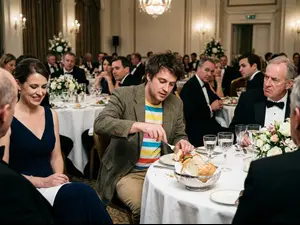
lacking social grace or sensitivity

raze
[reyz]
to shave or scrape off

tantalize
[tan-tl-ahyz]
to torment with, or as if with, the sight of something desired but out of reach; tease by arousing expectations that are repeatedly disappointed

bin
[b-in]
a container for storing or disposing of items.

execrable
[ek-si-kruh-buhl ]
utterly detestable; abominable; abhorrent

hypocritical
[hip-uh-krit-i-kuhl]
behaving in a way that contradicts one's stated beliefs or values
mimic
[mim-ik]
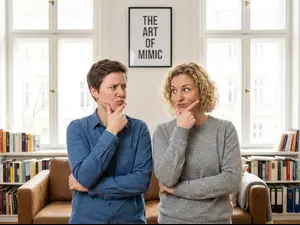
to imitate someone or something, often for amusement

manipulate
[muh-nip-yuh-leyt]
to handle or control something skillfully, often with deceit

clumsy
[klum-zee]
awkward in movement or handling things

cicerone
[sis-uh-roh-nee]
a guide who gives information about antiquities and places of interest to sightseers