
gormless
adjective
lacking in vitality or intelligence; stupid, dull, or clumsy
What Makes This Word Tick
The word "gormless" is a British slang term with a charming bite-often used to describe someone as somewhat clueless or lacking in common sense. Its simplicity carries the weight of a good-natured ribbing, perfect for teasing someone who perhaps isn't the sharpest tool in the shed at a particular moment.
If Gormless Were a Person…
Imagine a character from a cozy British sitcom, perhaps the well-meaning but perpetually bewildered neighbor who can't quite figure out how to use a microwave or tie a tie correctly. There's an innocent charm to their befuddlement that makes you smile rather than groan.
How This Word Has Changed Over Time
Once upon a time, back in the 18th century, "gorm" meant "sense" or "understanding." So, to be gormless was indeed to be lacking in "gorm." This delightful word has held onto its original essence through the centuries, mainly across the UK and Commonwealth countries.
Old Sayings and Proverbs That Use Gormless
While there might not be a plethora of proverbs featuring the word "gormless," you could imagine hearing, "Don't be gormless-use your noggin!" floating around during a family game night as someone tries to explain the rules of bridge yet again.
Surprising Facts About Gormless
A fun fact is that "gormless" rarely crosses the Atlantic with ease. It's a quintessentially British term and isn't commonly used in American English. However, those who adore British literature or television might find it as familiar as "scone" or "queue."
Out and About With This Word
In everyday chit-chat in the UK, you might hear people refer to someone as a bit gormless if they've made a silly mistake-like forgetting their umbrella on a rainy day or pondering where their glasses are while they're sitting on top of their head.
Pop Culture Moments Where Gormless Was Used
Think about British comedies like "Blackadder" or the works of authors like P.G. Wodehouse. Characters who are famously "gormless" might muddle through their days, often getting into humorous scrapes but always with good intentions.
The Word in Literature
In novels that brim with British wit or satire, characters might be described as gormless in a way that highlights their comedic density. Picture them in the kind of tales penned by authors like Roald Dahl or even in a cheeky aside in a novel by J.K. Rowling.
Moments in History with Gormless
While it might not headline historical events, one might whimsically apply "gormless" to some historical blunders-perhaps an infamous military mistake or a famously misunderstood diplomatic message that resulted in confusion rather than catastrophe.
This Word Around the World
In American English, there isn't an exact equivalent, but words like "dim-witted" or "dull" come close. Of course, "gormless" retains a particular British flavor that these alternatives don't capture quite as neatly.
Where Does It Come From?
The roots of "gormless" lie in the Old Norse word "gaumr," which refers to attention or heed. When you're gormless, you're the opposite-lackluster in awareness, so to speak.
How People Misuse This Word
It's not common to misuse "gormless," but outside of its cultural understanding, some might assume it means something far graver or even misinterpret it as an insult rather than lighthearted banter.
Words It's Often Confused With
- Clueless: While similar, being clueless is more about not having enough information rather than just lacking sense.
- Oblivious: This implies not being aware of external reality, which doesn't always capture the essence of being gormless.
- Dense: A bit harsher, often implying a more profound or persistent inability to understand.
Additional Synonyms and Antonyms
Synonyms include words like "witless" or "dull." As for antonyms, think of terms like "astute," "shrewd," or "perceptive."
Want to Try It Out in a Sentence?
"After an entire afternoon trying to assemble the flat-pack furniture without the instructions, we all felt a bit gormless, wondering why it didn't look like the picture on the box."
Explore more words


lucent
[loo-sunt]
giving off light; glowing or translucent.
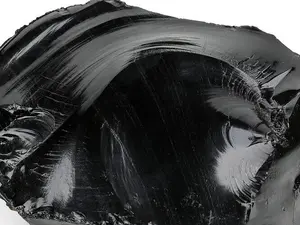
obsidian
[uhb-sid-ee-uhn]
a volcanic glass similar in composition to granite, usually dark but transparent in thin pieces, and having a good conchoidal fracture



gossamer
[gos-uh-mer]
of or like gossamer; extremely light, flimsy, or delicate

bad luck
[bad luhk]
an unfortunate event or series of events


destitute
[des-ti-toot]
without means of subsistence; lacking food, clothing, and shelter

sesquipedalian
[ses-kwi-pi-dey-lee-uhn]
(of a word) containing many syllables

boisterous
[boy-ster-uhs]
noisy, energetic, and cheerful; rowdy

rowdy
[rou-dee]
slang; great; very enjoyable, often with boisterous fun

picturesque
[pik-chuh-resk]
(of writing, speech, etc.) strikingly graphic or vivid; creating detailed mental images

anfractuous
[an-frak-choo-uhs]
characterized by windings and turnings; sinuous; circuitous

betrothed
[bih-trohthd]
engaged to be married

infodemic
[in-foh-dem-ik]
a massive amount of widely and rapidly circulating information about a particular crisis or controversial issue, consisting of a confusing combination of fact, falsehood, rumor, and opinion

fidelity
[fi-del-i-tee]
strict observance of promises, duties, etc.

cryptic
[krip-tik]
mysterious in meaning; puzzling; ambiguous

squalid
[skwol-id]
foul and repulsive, as from lack of care or cleanliness; neglected and filthy

sanctimonious
[sangk-tuh-moh-nee-uhs]
making a hypocritical show of religious devotion, piety, righteousness