
forwonder
verb
to astonish; fill with wonder or amazement
What Makes This Word Tick
A delightful concoction, "forwonder" seems to invoke a sense of awe and curiosity, the kind that makes your eyes widen like a child seeing a magic trick for the first time. It's not your average word; think of it as a linguistic sparkler that shines bright in the galaxy of language.
If Forwonder Were a Person…
Forwonder would be that whimsical neighbor who always has a story up their sleeve and a twinkle in their eye. They'd be the type to pause at sunset, sigh in admiration, and whisper, "Isn't that something?" before offering you freshly baked cookies.
How This Word Has Changed Over Time
The word "forwonder"" doesn't have centuries of literary baggage or changes in meaning because it's a rare gem, possibly a playful blend of "for" and "wonder." Over time, maybe it's the kind of word that could find its niche among poets and dreamers, if given the chance.
Old Sayings and Proverbs That Use Forwonder
As a newcomer on the language block, "forwonder" hasn't yet been enshrined in venerable old tomes of sayings, but imagine if it had: "A forwonder a day keeps the drear away," could fit quite nicely, don't you think?
Surprising Facts About Forwonder
The astonishing thing about "forwonder" is its ability to immediately capture attention with its novelty. It's the kind of word that makes you pause and ponder-where has this been all my life, and why haven't I heard it before?
Out and About With This Word
Imagine overhearing "forwonder" being exclaimed in a bustling market as someone stumbles upon an unexpected bargain or perhaps in a gallery where the art takes one's breath away. It's a word for moments of discovery.
Pop Culture Moments Where Forwonder Was Used
Though not a headliner in the pop culture pantheon, you could imagine "forwonder" as a perfect backdrop against scenes in films or series where the characters encounter unexpected beauty or revelation, like a hidden beach in a romance drama.
The Word in Literature
Forwonder" might find a cozy spot in fantasy novels, where characters are constantly discovering enchanted worlds or ancient secrets. Picture it nestled comfortably alongside whimsical vocabulary in works by authors like Neil Gaiman.
Moments in History with Forwonder
Picture the dawn of electricity lighting up the night for the first time-"forwonder" could have perfectly captured the collective gasp of astonishment and curiosity that swept the world as technology leapt forward.
This Word Around the World
Universal as wonder itself, "forwonder" could transcend cultural boundaries, perhaps finding a home wherever there is amazement to be expressed. It might be translated into languages as a delightful mix of words capturing the same spirit of awe.
Where Does It Come From?
While its etymology is not steeped in centuries-old roots, "forwonder" appears to be creatively pinned together from the English "for," suggesting purpose or reasoning, and "wonder," which denotes awe and curiosity.
How People Misuse This Word
Given its novelty, "forwonder" is unlikely to be misused, but one might mistakenly apply it as an alternative for words like "wonderful" or "astonishing" without recognizing its unique confluence of purpose and amazement.
Words It's Often Confused With
- Wonder: While "wonder" expresses amazement, "forwonder" implies an admiration with an added layer of purpose or intent.
- Awe: This word captures deep reverence, but "forwonder" carries a lighter, more playful curiosity.
- Marvel: Though both share the theme of amazement, "forwonder" feels more intimate and specific to one's personal experience.
Additional Synonyms and Antonyms
Synonyms for "forwonder" might include: awe-inspired, enchanted, and curious. Antonyms could be dispassionate, indifferent, or uninterested.
Want to Try It Out in a Sentence?
Here's a chance to let "forwonder" shine: "The sight of the old oak tree's golden autumn leaves left me in a state of forwonder, as if nature had painted them just for my delight."
Explore more words

jostle
[jos-uhl]
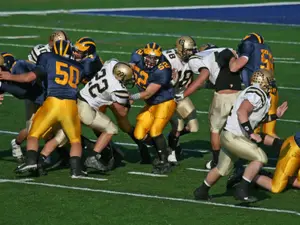
to bump, push, shove, brush against, or elbow roughly or rudely

peregrinate
[per-i-gruh-neyt]
to travel or journey, especially to walk on foot



fecund
[fee-kuhn]
producing or capable of producing offspring, fruit, vegetation, etc. in abundance; prolific; fruitful
ascetic
[uh-set-ik]
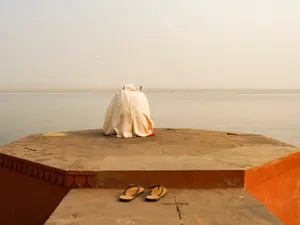
relating to asceticism, the doctrine that one can reach a high spiritual state through the practice of extreme self-denial or self-mortification


zealot
[zel-uht]
a person who is fanatical and uncompromising in pursuit of their religious, political, or other ideals

sordid
[sawr-did]
squalid; wretchedly poor and run-down

abdicate
[ab-di-kayt]
to give up a position, usually one of leadership

hinder
[hin-der]
to make it difficult for someone to do something or for something to happen

censorious
[sen-sawr-ee-uhs]
severely critical; fault-finding; carping

pleonasm
[plee-uh-naz-uhm]
the use of more words than are necessary to express an idea; redundancy

elicit
[ih-lis-it]
to evoke or draw out a response, answer, or fact

myrrh
[mur]
an aromatic resinous exudation from certain plants of the genus Myrrhis, especially M. odorata, a small spiny tree: used for incense, perfume, etc.

listless
[list-lis]
having or showing little or no interest in anything; languid; spiritless; indifferent
cromlech
[krom-lek]
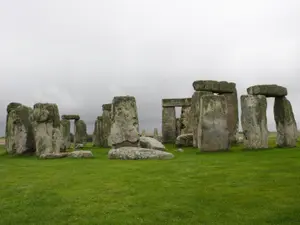
(no longer in technical use) a megalithic chamber tomb

sanguine
[sang-gwin]
reddish; ruddy

predestination
[pre-des-ti-nay-shun]
the belief that all events are determined in advance by fate