abridge
verbto shorten by omissions while retaining the basic contents
What Makes This Word Tick
"Abridge" is all about making things shorter and more concise. Think of those times when you need to cut to the chase-well, that's what "abridge" is all about. It's a verb that often gets its time in the spotlight when we're talking about summarizing stories or trimming down documents.
If Abridge Were a Person…
If abridge were a person, they'd be that no-nonsense editor who knows how to highlight the heart of a story in record time. Picture someone with a keen eye for detail and a red pen ready to mark all the fluff. Abridge would stride into meetings on time, coffee in hand, ready to cut through the chitchat.
How This Word Has Changed Over Time
"Abridge" stretches back to the Middle Ages, derived from the Old French word "abregier," meaning to shorten. The essence of the word remains largely unchanged, maintaining its core meaning of shortening text or speech to make it more direct.
Old Sayings and Proverbs That Use Abridge
You won't find abridge making a splash in proverbs or old sayings as some other words do. It's more of an action word reserved for practical rather than poetic purposes. When something does need abridging, it usually means a matter of efficiency rather than folklore wisdom.
Surprising Facts About Abridge
"Abridge" is often used when adapting classic literary works for younger readers, cutting down on lengthy descriptions or archaic language without losing the plot's zest. Also, did you know some classic novels' abridged versions actually outsell their full-length counterparts?
Out and About With This Word
"Abridge" makes frequent excursions into the land of publishing, especially with classics and academic texts. Movie adaptations of books also owe a nod to abridge as screenwriters master the art of trimming novel-length plots into two-hour screenplays.
Pop Culture Moments Where Abridge Was Used
While the word itself might not pop up in movie dialogues, the act of abridging is vital in turning sprawling epics into digestible films. If you've seen a film adaptation of a whopping tome, you've likely witnessed the work of an 'abridger.'
The Word in Literature
"Abridge" is a beloved term among literary editors and scholars. It often appears in prefaces to highlight that a text has been modified for readability. Libraries still cherish unabridged versions as purists' choices or archives of original works.
Moments in History with Abridge
The creation of Reader's Digest in the 1920s was a significant nod to the concept of abridgment. The digest provided readers with shortened versions of various articles for quick consumption, a testament to abridge's practical appeal.
This Word Around the World
In other languages, the spirit of abridging is alive and well. In Spanish, "abreviar" does the trick, while the Germans use "kürzen" to cut things short. Regardless of the tongue, cultures worldwide recognize the value of a good abridgment.
Where Does It Come From?
This concise little word has Old French roots, stemming from "abregier" and further back to the Latin "abbreviare." It's all about getting those long-winded thoughts down to their core essence.
How People Misuse This Word
People sometimes use "abridge" when they mean "summarize." Instead of shortening the text without losing any meaning, summarize implies distilling the main points-two birds of a different feather.
Words It's Often Confused With
- Abbreviate: Focuses more on shortening by reducing words or letters, like turning "street" into "St."
- Condense: Suggests making something more compact or concentrated but without losing essence.
- Summarize: Concentrates on restating the main points, not necessarily shortening every part.
Additional Synonyms and Antonyms
Synonyms for "abridge" include abbreviate, curtail, and shorten. On the flip side, its antonyms are words like expand, extend, and elongate.
Want to Try It Out in a Sentence?
"The editor decided to abridge the novel, cutting out the less crucial subplots to streamline the story for modern readers."
Explore more words
11 Dumbest Things Middle-Class Americans Waste Money On
See what to cut →

arrival
[uh-ry-vul]
the act of reaching a destination

ephemeral
[ih-fem-er-uhl]
lasting a very short time; short-lived; transitory

Little-Known Money Hacks That Could Save You Hundreds
Review the list →

Is Staying With the Same Insurer Costing You More?
Explore Your Options →

insouciant
[in-soo-see-uhnt]
free from concern, worry, or anxiety; carefree; nonchalant

talisman
[tal-is-muhn]
any amulet or charm

These 10 Money Moves Could Save Seniors Hundreds
Read more →
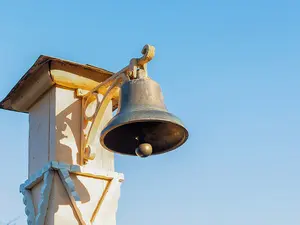
tocsin
[tok-sin]
a signal, especially of alarm, sounded on a bell or bells

reticent
[ret-uh-suhnt]
disposed to be silent or not to speak freely; reserved

trousseau
[troo-soh]
an outfit, clothing, or linen for a bride

retinue
[ret-n-oo]
a body of retainers in attendance upon an important personage; suite

encomium
[en-koh-mee-uhm]
a speech or piece of writing that praises someone or something highly

yeoman
[yoh-muhn]
performed in a workmanlike, valiant, and useful manner, especially in situations involving a great deal of effort

conundrum
[kuh-nuhn-druhm]
a riddle, the answer to which involves a pun or play on words, as: "What is black and white and read all over? A newspaper."

unsettled
[uhn-set-ld]
lacking stability or certainty

guileless
[gahyl-lis]
free from guile; sincere; honest; straightforward; frank

park
[pahrk]
a piece of land maintained by a city or town as a place of beauty or play.

demagogue
[dem-uh-gog]
a political leader who seeks support by appealing to the desires and prejudices of ordinary people rather than by using rational argument

sordid
[sawr-did]
squalid; wretchedly poor and run-down