totter
verbto sway or rock on the base or ground, as if about to fall
What Makes This Word Tick
"Totter" is a delightful little word that conjures images of unsteady movement, like a toddler taking their first steps or someone navigating a rocky path. Often associated with a shaky, precarious balance, it carries a sense of charming vulnerability.
If Totter Were a Person…
Totter would likely be that lovable neighbor who insists on carrying all the groceries inside in one trip, teetering and swaying with every step. Think of an adventurous grandparent who refuses a walking stick on a brisk walk to the park.
How This Word Has Changed Over Time
Originally emerging in the English language in the late Middle Ages, "totter" has managed to maintain its core meaning through centuries, reassuringly consistent like your favorite pair of worn-out slippers.
Old Sayings and Proverbs That Use Totter
While there might not be ancient proverbs that specifically use "totter," the phrase "to totter on the brink" suggests teetering close to disaster, yet managing to avoid it.
Surprising Facts About Totter
Totter” sounds similar to other words with a swaying motion, like “teeter” and “toddle,” showcasing its rhythmic allure. Interestingly, it's a word that's stood its ground without much alteration, unlike many others.
Out and About With This Word
You'll hear "totter" echo in conversations at the park as parents lovingly describe their child's wobbly gait. It's also a favorite for sports commentators during precarious tournaments.
Pop Culture Moments Where Totter Was Used
Totter” has gracefully found its way into sitcom laugh tracks, like when someone's towering jello sculpture teeters ominously. Watching slapstick comedy? Certainly, there's some tottering involved.
The Word in Literature
In literature, "totter" often appears when characters face pivotal moments, embodying both physical and emotional instability. It lends drama to scenes of tension or gentle comedy to lighter moments.
Moments in History with Totter
One could imagine “totter” aptly depicting moments of historical significance, like an emperor swaying on his throne facing a political upheaval-perhaps it captures the fragile nature of power.
This Word Around the World
Globally, similar words exist in many languages that evoke the same wavering motion. In French, “vaciller” carries a similar essence, both illustrating instability yet beauty in movement.
Where Does It Come From?
"Totter" dances its way from Middle English "toteren," capturing unsteady strolls since about the 15th century. It's a sturdy word that's proven itself more stable than its meaning would suggest.
How People Misuse This Word
Some might mistake "totter" to mean complete danger or injury, while it amusingly highlights wobbliness yet ends safely on solid ground, more often than not.
Words It's Often Confused With
- Teeter: While "teeter" also implies unsteadiness, it often suggests the very edge of collapse more than "totter."
- Toddle: Typically associated with young children wobbling, rather than general instability.
- Stagger: Implies more heaviness and possible intoxication, compared to the lighter, softer "totter."
Additional Synonyms and Antonyms
- Synonyms: wobble, sway, lurch, stumble
- Antonyms: stabilize, steady, balance
Want to Try It Out in a Sentence?
Despite the gusting winds, she managed to totter across the narrow bridge, her heart racing but her spirit unbroken.
Explore more words
11 Dumbest Things Middle-Class Americans Waste Money On
See what to cut →
breviloquent
[bre-vil-uh-kwuhnt]
speaking or expressed in a concise or terse style; using brevity of speech

vanguard
[van-gahrd]
the forefront in any movement, field, activity, or the like

Little-Known Money Hacks That Could Save You Hundreds
Review the list →

Is Staying With the Same Insurer Costing You More?
Explore Your Options →

ensorcell
[en-sawr-suhl]
to bewitch, charm, or enchant

hubris
[hyoo-bris, hoo-bris]
excessive pride or self-confidence; arrogance

These 10 Money Moves Could Save Seniors Hundreds
Read more →

hasten
[hey-suhn]
to move or act with haste; proceed with haste; hurry

unabashed
[un-uh-basht]
not embarrassed or ashamed
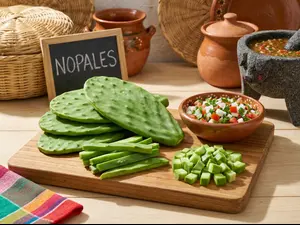
nopales
[noh-pah-les]
young tender stem segments of the prickly pear cactus that are used as food.

defer
[dih-fer]
to postpone or delay something; to yield to someone
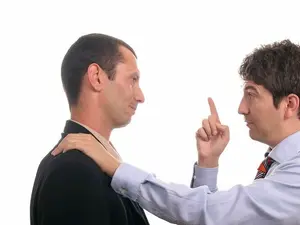
admonish
[ad-mon-ish]
to caution, advise, or counsel against something
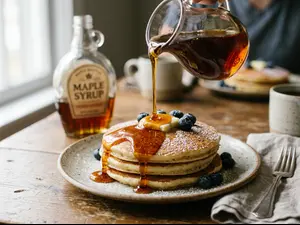
syrup
[sir-up]
a thick, sweet liquid often used in cooking or drinks

defenestrate
[dee-fen-uh-streyt]
to suddenly remove (a person) from an important position or office

afflicted
[uh-flik-tid]
suffering from pain, distress, or hardship